Changbai Mountain travel guide
长白山
Changbai Mountain travel guide with a day by day itinerary, 7 places with tickets and opening hours, where to eat and stay, and how to get there.
7 places · In the guidebook: pages 2223–2235

Changbai Mountain, Jilin Province · AI illustration for China Trip
Quick itinerary
Changbai Mountain in 2 days
- Day 1
- North Slope: Ice and Snow Sports Base→
- Underground Forest→
- Xiao Tianchi→
- Changbai Mountain Hot Springs→
- Changbai Waterfall→
- Heaven Lake (Tianchi)→
- Tianwen Peak→
- Heifeng Pass→
- Erdaobaihe Town
- Day 2
- West Slope: Songjianghe→
- Shuangtizihe→
- Changbai Mountain Grand Canyon→
- Alpine Garden→
- Laohu Back→
- Heaven Lake (Tianchi)
The feel of the place
Changbai Mountain is a dormant volcano that has erupted three times since the 16th century. Its unique geological structure gives it breathtaking scenery. Because of the vertical change in terrain, the mountain forms four landscape zones from foot to peak, ranging from temperate to frigid, a rare natural vertical landscape in the world. It is aptly described as 'four seasons on one mountain, a different climate every few kilometres.'
Changbai Mountain is a natural museum and a storehouse of rare biological resources. It is a major producer of the 'Three Treasures of the Northeast'—ginseng, sable fur and deer antler—and one of the few places on Earth that has been spared major human damage. It is listed as a national key protected area and included in UNESCO's World Network of Biosphere Reserves.
Changbai Mountain is the cradle where the peoples of the Northeast have lived and multiplied for generations, the ecological barrier of the three northeastern provinces, and the birthplace of the Manchu people. During the Qing dynasty it was designated a sacred site.
Check the Weather
A visit to Changbai Mountain takes a full day. Check the weather over the previous three days in advance, as it will affect whether you can see Heavenly Lake.
Choose Hiking
Hiking is best. Taking a vehicle saves time and effort, but you will miss many sights.
Travel Hassles
You can enjoy stunning views, but you will have to put up with inconvenient transport and frequent overcharging.
Trains Are Faster
Take the train as far as possible to Baihe near the north slope or Songjianghe near the west slope, as trains are faster.
Charter a Car
From Antu railway station to the bus station, a taxi costs ¥5. Chartering an Oatao car from Antu railway station to Chibei District takes 2.5 hours and costs ¥120.
Tourist Shuttle Routes
1. North Line: about 35 km in total, six departures daily from Meiren Song Garden in Chibei District, returning after passing the North Scenic Area gate.
2. Loop Line: 128 km in total, three paired departures daily, passing North Scenic Area Gate → Changbai Mountain Tiger Park (Chibei District) → Changbai Mountain Natural History Museum (Chibei District) → Meiren Song Garden (Chibei District) → Baixi Town (Chixi District) → Changbai Mountain Airport (Chixi District) → West Scenic Area Gate.
Preparation and Enquiries
Climate and Travel Seasons
Changbai Mountain has a humid climate, with frequent rain and snow in spring, summer and winter. Winter is long and cold, with deep snow, usually waist-high, which makes walking difficult.
Autumn is the most beautiful season on Changbai Mountain, when you can see stunning alpine tundra landscapes at high altitude. Because of the high altitude and intense UV radiation, the flowers are especially vivid in colour.
The best time to visit (early summer) is 3–15 July each year, when wildflowers cover the mountains and Changbai enters its shortest yet most beautiful summer. Although July and August are summer months, heavy rain is frequent. Another prime season (early autumn) is late August to early September, when Changbai in golden autumn is also stunning.
Things to see

Heaven Lake (Tianchi)
2–3 hours · Included in the North and West Scenic Area admission tickets
A sacred body of water that has captivated people for centuries, Heaven Lake is not only magnificent but also mysterious. It is China’s largest volcanic crater lake, formed naturally by volcanic eruptions. Visiting Changbai Mountain without seeing Heaven Lake would be a lifelong regret. The area is often shrouded in mist, giving it an otherworldly quality. The lake’s water is clear and calm, as if it came from beyond the human world, which highlights its spiritual charm. Because Changbai Mountain’s weather changes quickly, Heaven Lake often appears and disappears from view, adding to its alluring, fairy-tale mystery. Even in winter, the frozen white surface of the lake, set high in the mountains, is so pure that it will leave you breathless. As the iconic landmark of Changbai Mountain, Heaven Lake is best visited in September, when the autumn scenery shows its unrivalled beauty.
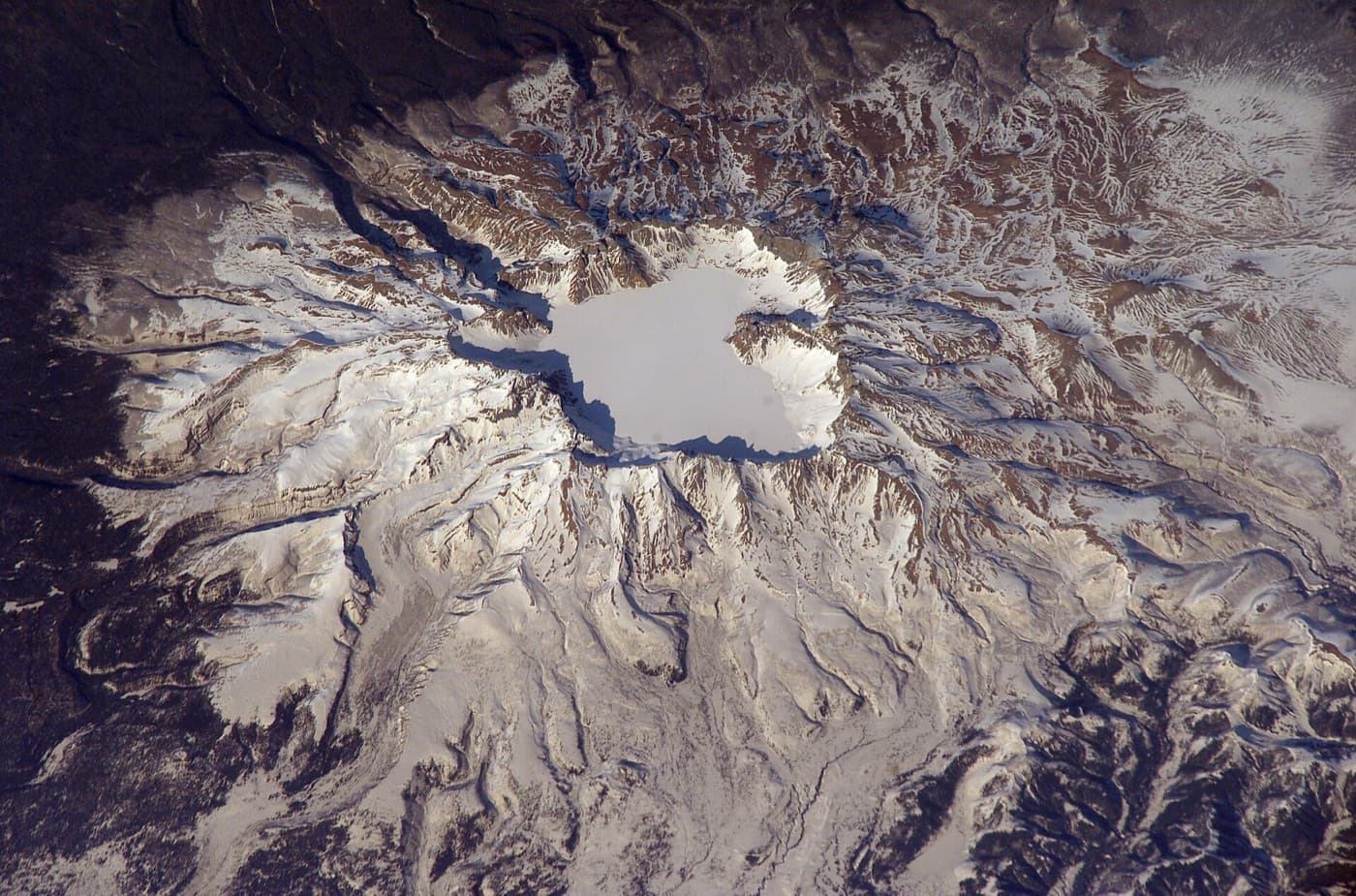
Changbai Mountain Scenic Area
1–2 days · North Scenic Area admission ¥105; North Scenic Area full-price combo ticket ¥305 (admission + eco shuttle + round-trip tourist express bus). West Scenic Area admission ¥105; West Scenic Area full-price combo ticket ¥214 (admission + eco shuttle + round-trip tourist express bus)
Changbai Mountain is the “First Mountain of Northeast China,” named for the white pumice and snow that cover its main peak, Baitou Peak. There are four slopes from which to approach the mountain. The east slope lies within North Korea, so only the south, north and west slopes are open to visitors. The north slope, starting from Chibei District, is the first choice of most first-time visitors. It is the most developed and has the most attractions. The west slope, starting from Songjianghe, offers its own distinctive scenery, and some people say it gives the broadest view of Heaven Lake. The south slope, starting from Changbai County, borders North Korea. It is less famous than the north and west slopes, but because it is less developed, it is more primitive and natural.
Changbai Waterfall
Located on the north side of Heaven Lake, the waterfall drops 68 metres, with a pool more than 20 metres deep at its base. In winter, when the spray freezes into ice particles that shoot out like fireworks, the falls are especially striking. The Chengcha River upstream of the waterfall flows out of Heaven Lake and is therefore also known as the “Heavenly River.” Its scenery is exceptionally beautiful.
Photography · Nature
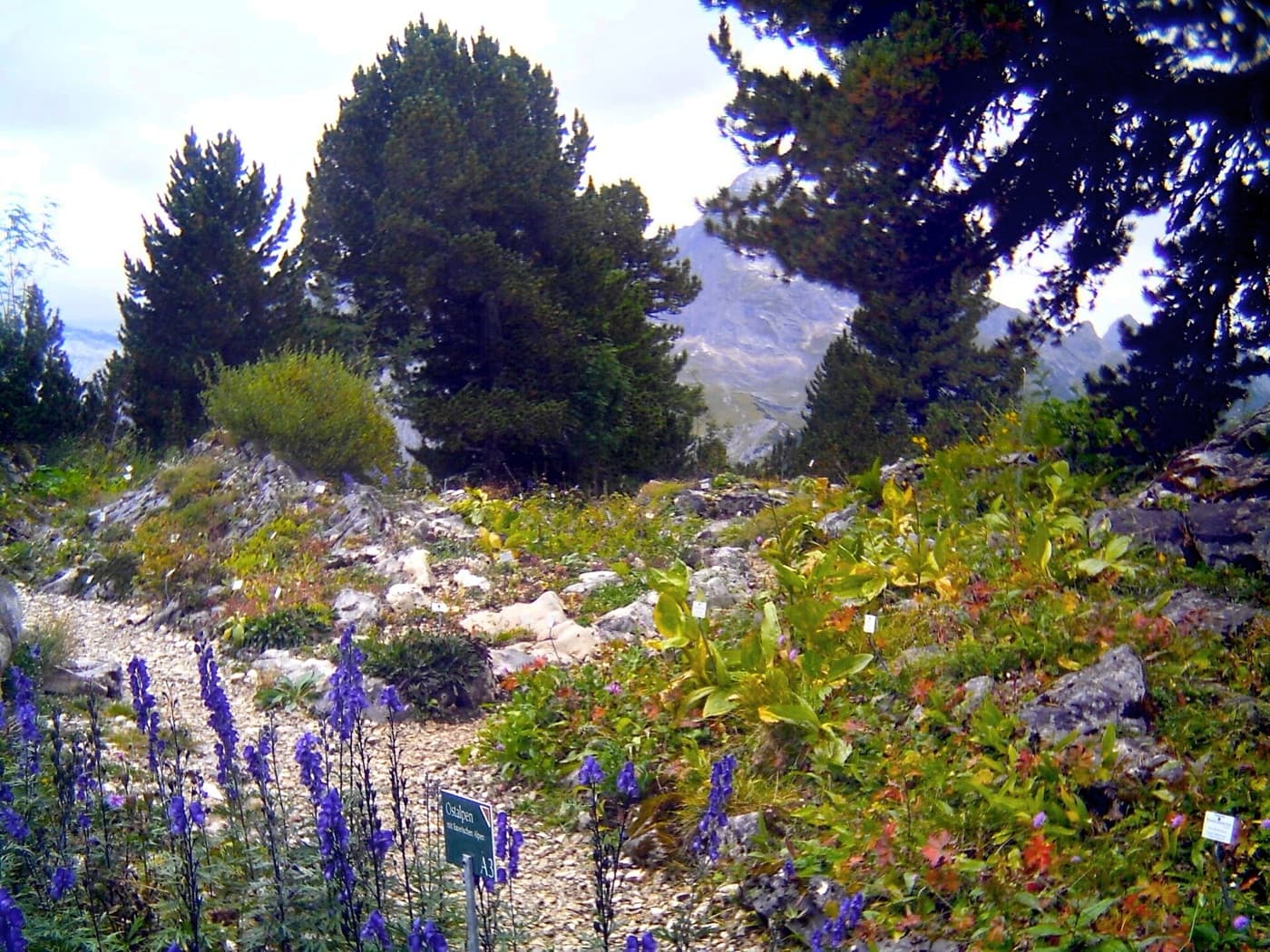
Alpine Garden
A recently developed attraction on the west slope. The best time to visit is July and August, as the scenic area shuttle buses do not go there at other times. In summer, flowers bloom all around, and because Changbai Mountain’s summer is very short, this brief season is especially precious. Every year on July 5, the west slope scenic area hosts the High Mountain Flower Festival, which draws enormous crowds.
Photography · Nature
Changbai Mountain Hot Springs
Changbai Mountain has one of China's most concentrated clusters of hot springs. Within about 1,000 square metres beneath Heifengkou Pass, dozens of springs range from bowl-sized to finger-thin. In winter especially, steam rises and curls through the air while everything around is covered in snow and ice. Most Changbai Mountain hot springs are high-temperature springs, with water usually above 60°C and the hottest vents reaching 82°C, hot enough to boil an egg. Among the best known are Changbai Hot Spring, Tiyun Hot Spring and Hubin Hot Spring.
Free China–DPRK cross-border tour: Visit Hyesan, Samjiyon, the Great Monument, the Paektu Mountain Secret Camp, Jongil Peak, Ryongmyong Waterfall, the Pochonbo battle site, the Pochonbo Victory Monument, the Ryanggang Provincial Exhibition Hall and more in Ryanggang Province, North Korea. The tour includes a dedicated performance by the Ryanggang Arts University, and you can climb Tianchi (Heaven Lake) from the eastern slope of Paektu Mountain on the North Korean side, taking the cable car to admire the lake.
Tianwen Peak
Also known as Eagle Beak Peak, it lies northeast of Heaven Lake and takes its name from the weather station on its summit. Climbing it offers a distant view of Heaven Lake.
Nature
Tiannü Yugong Pool (Celestial Maiden Bathing Pool)
A jewel on Changbai Mountain, often called the sister lake of Heaven Lake. The water is shallow and clear, and the lakeside is lush with fragrant grass. Swifts soar across the sky, and fish swim in the shallows, making it look like a paradise on earth. Legend holds that it was the birthplace of the ancestors of the Manchu people.
Nature
Getting there & around
Getting There
Changbai Mountain is well connected by air, rail and road. You can fly directly to Changbai Mountain Airport, while travelling by train or bus requires first reaching Chibei District (formerly Erdaobaihe Town) or Songjianghe Town.
By Air
Changbai Mountain Airport is located in Chixi District of the Changbai Mountain Protected Development Zone, with flights to Beijing, Changchun, Shenyang, Dalian, Yanji, Shanghai, Shenzhen and Guangzhou.
By Rail
The railway station closest to the Changbai Mountain scenic area is Baihe Station, only about 15 minutes' drive from Chibei District at the foot of the mountain, with trains to Tonghua, Dalian and Shenyang.
From cities outside the province, the best gateway to Changbai Mountain is Antu Station on the long-distance rail line, about 4 hours' drive away.
By Road
Buses from Antu to Chibei District run on two routes: Antu → Yongqing → Songjiang → Erdao, and Antu → Yongqing → Liangjiang → Erdao.
Stay Safe
At Changbai Mountain, many sights have no bus service, so you can only take a taxi or charter a vehicle. Road and vehicle conditions are relatively poor, so always fasten your seatbelt.
Eco-Friendly Shuttles
The Changbai Mountain Administration Committee will close the mountain gates to private vehicles, and eco-shuttles will operate within the scenic area. Eco-shuttle tickets cost ¥85.
Local Transport
Within Chibei District, transport options include 'daoqilü' (bicycles modified by locals), motorcycles and taxis.
Erdaobaihe Passenger Station
By Road- Phone:
- 0433-5751533
- 1. Erdao and Baihe: Erdao was once an independent town, and Baihe was a forestry farm. They were later merged into Erdaobaihe, which includes three major areas: Erdao, Baihe and the farm district. Family guesthouses and small restaurants are mostly in the farm district. The local train station is called Baihe, while the bus station is called Chibei Passenger Station and buses depart from Erdao, so check carefully when making enquiries. 2. Roads: The Songjiang route is paved and in good condition. The Liangjiang route is unpaved from Yongqing onwards, and road conditions are poor. 3. Departure times: Long-distance buses from Antu to Erdaobaihe run daily from 5:30 to 15:00. The last bus from Yanji leaves at 14:30 from Yanji North Passenger Station. The standard fare is ¥45. Tel: 0433-2517024. 4. Chibei District: The former Erdaobaihe Town now falls under the administration of Chibei District in the Changbai Mountain Development Zone.
Eat & drink
Changbai Mountain produces a wealth of local foods and has a large Korean ethnic population, so here you can enjoy not only delicious local dishes but also authentic Korean cuisine.
Watch Out for Overcharging
Some restaurants keep two price lists, one for tourists and one for locals, so be careful when dining here or you may be overcharged. If the prices seem too high, simply switch to another restaurant.
Kimchi
Kimchi is a side dish handed down through generations by the Korean ethnic group. It is nutritious and rich in various vitamins.
Northeastern Cuisine
Northeastern cuisine evolved from Shandong cuisine and features pickles and preserved vegetables, suiting northern dietary habits. It is strongly flavoured and leans salty. It also reflects the bold, unrestrained character of northeasterners, with big platters of meat, big plates of vegetables and big cups of liquor, very much in the spirit of 'drinking from big bowls and eating big chunks of meat.'
Korean Snacks
Korean cuisine is rich and varied, mostly made from local specialties, and strongly reflects ethnic character. Popular snacks include cold noodles, pancakes, Korean soybean soup, dakgalbi-style rice cakes, shashen (Adenophora root), misang (Korean rice sausage), dog meat hotpot, Korean barbecue, glutinous rice wine and potato pancakes.
Dog Meat
Dog meat is one of the meats favoured by the Korean people. It is usually stewed into soup and was traditionally eaten during the hottest days of summer, as it was believed to be nourishing in the heat. Today it is eaten year-round, but it is avoided at weddings, funerals and festive occasions.
To try dog meat at Changbai Mountain, visit a restaurant run by an ethnic Korean family. Only there can you find authentic dog meat.
Recommended Restaurants
Local Snacks
Xiaohuangniu Korean-Style Soup and Rice Restaurant
Recommended RestaurantsA must-visit for beef soup and rice, with a strong ethnic Korean atmosphere. Food arrives quickly and the beef is very tender.
- Address:
- Changbai Mountain Protection and Development Zone Administrative Committee, Chibei District, Baishan Avenue A-8
- Phone:
- 13224335888
Chuanjie Skewer Street in Erdaobaihe Town
Local SnacksA snack street devoted to barbecue. The bold local flavours make the grilled food stand out. Be sure to book in advance!
Restaurant Street in Erdaobaihe Town
Local SnacksAs the name suggests, restaurants line both sides of the street. The shops are small, but the food is every bit as good as in bigger restaurants. The local speciality here is dog meat.
Where to stay
A day trip from Erdaobaihe Town to Changbai Mountain and Heavenly Lake is possible. Besides hotels and guesthouses, there are also family inns to choose from.
Finding accommodation at Changbai Mountain is not difficult. Hotels, guesthouses and inns are all available, with prices varying by grade. There are fewer options in the Songjianghe Town area on the western slope.
Shopping
The Changbai Mountain Nature Reserve is famous at home and abroad for its wide variety of local specialities. Its rich resources have earned several places the title of “famous hometown”: Fusong County is known as “China's Ginseng Hometown”, Hunjiang District (formerly Badaojiang District) is “China's Forest Frog Hometown”, Jingyu County is “China's American Ginseng Hometown” and “China's Changbai Mountain Mineral Water City”, and Linjiang City has been named “China's Rhodiola Hometown”.
Local specialities include apple pears, Fushi, yellow elm mushrooms, matsutake, black wood ear fungus, fiddlehead fern, lingzhi mushroom and Tonghua grape wine. There are also the “New Three Treasures of Northeast China”, rhodiola, forest frog and Bulaocao (Ever-Youth Herb), whose benefits have been confirmed by recent scientific research.
Source: China Self-Guided Travel 2025 (《中国自助游》, Tianjin Science & Technology Press, Aug 2024), pp. 2223–2235. Translated from the Chinese edition; names and prices follow the guidebook. · Plain text version