Shannan travel guide
山南
Shannan travel guide with a day by day itinerary, 12 places with tickets and opening hours, where to eat and stay, and how to get there.
12 places · In the guidebook: pages 597–610

Shannan, Tibet Autonomous Region · AI illustration for China Trip
Things to see

Yamdrok Lake
1–3 hours · Free
Yamdrok Lake is said to have the most beautiful water in the world. If you are lucky enough to pass by on a clear day, your trip to Tibet will have been worth it. Yamdrok Tso (羊卓雍错) lies in Nagarzê County of Shannan City and is an important stop on the old road from Lhasa to Shigatse, often known simply as "Yamdrok." It is one of Tibet's three sacred lakes. At an altitude of 4,441 meters, it measures 130 kilometers from east to west and 70 kilometers from north to south, with a total area of 638 square kilometers. The lake is long and narrow, looking more like a vast river that has come to rest in the valley. Because the mountains are so high, the weather changes dramatically. In rain or fog, it feels like climbing 1,000 meters vertically inside a tin box. Only when you see the prayer flags at Kampa La Pass does the hardship end. This stretch has the best road conditions of the whole journey, yet it still feels daunting. On the other side of the pass lies the beautiful lake, a calm haven under the blue sky, its pure colour so gentle and serene that you feel an urge to make it your own. After stopping briefly at the pass, the car heads down toward the lakeshore, and for a long stretch the road follows the water, continuing even in your dreams after you have grown tired and fallen asleep.

Zetang Town
History & Culture · Temples
Zetang Town lies on the south bank of the Yarlung Tsangpo River, southeast of Lhasa. It is the seat of the Shannan City government and the economic, cultural and religious centre of the region. It is home to Yumbulakhang, the first palace in Tibet, and Trandruk Temple, where Songtsen Gampo and Princess Wencheng once lived. Zetang is one of the birthplaces of the Tibetan people.

Lhamo La-tso
“Lhamo La-tso” means “Lake of the Goddess's Soul”. The lake is not large, but it holds a special place in the hearts of Tibetans. Between the 4th and 6th Tibetan months each year, many people come here to make pilgrimages and enjoy the view. To reach the lake, you must climb a hill of 200–300 metres; the summit is very windy and hung with prayer flags. Seen from the top, Lhamo La-tso resembles a gourd, round at both ends and slightly narrower in the middle.
1–2 hours · ¥50
Yarlung River Scenic Area
Shannan is one of the birthplaces of the Tibetan people and the only national scenic area in Tibet. The scenic zone covers Naidong, Zhanang, Jiacha, Lhozhag, Gongga and other counties directly south of Shannan. Snow-capped peaks and glaciers, pastoral fields and pastures, riverbank valleys, ancient cultural heritage and folk customs together make up a scene that is mysterious, unadorned and spectacular. Sights in the area include Changzhu Temple, the Tombs of the Tibetan Kings, Yumbulagang and Samye Monastery. Medieval architecture and folk dwellings, as well as local customs and religious rituals, display a distinctive ethnic character.
3 hours · No combined ticket; smaller sights are sold separately
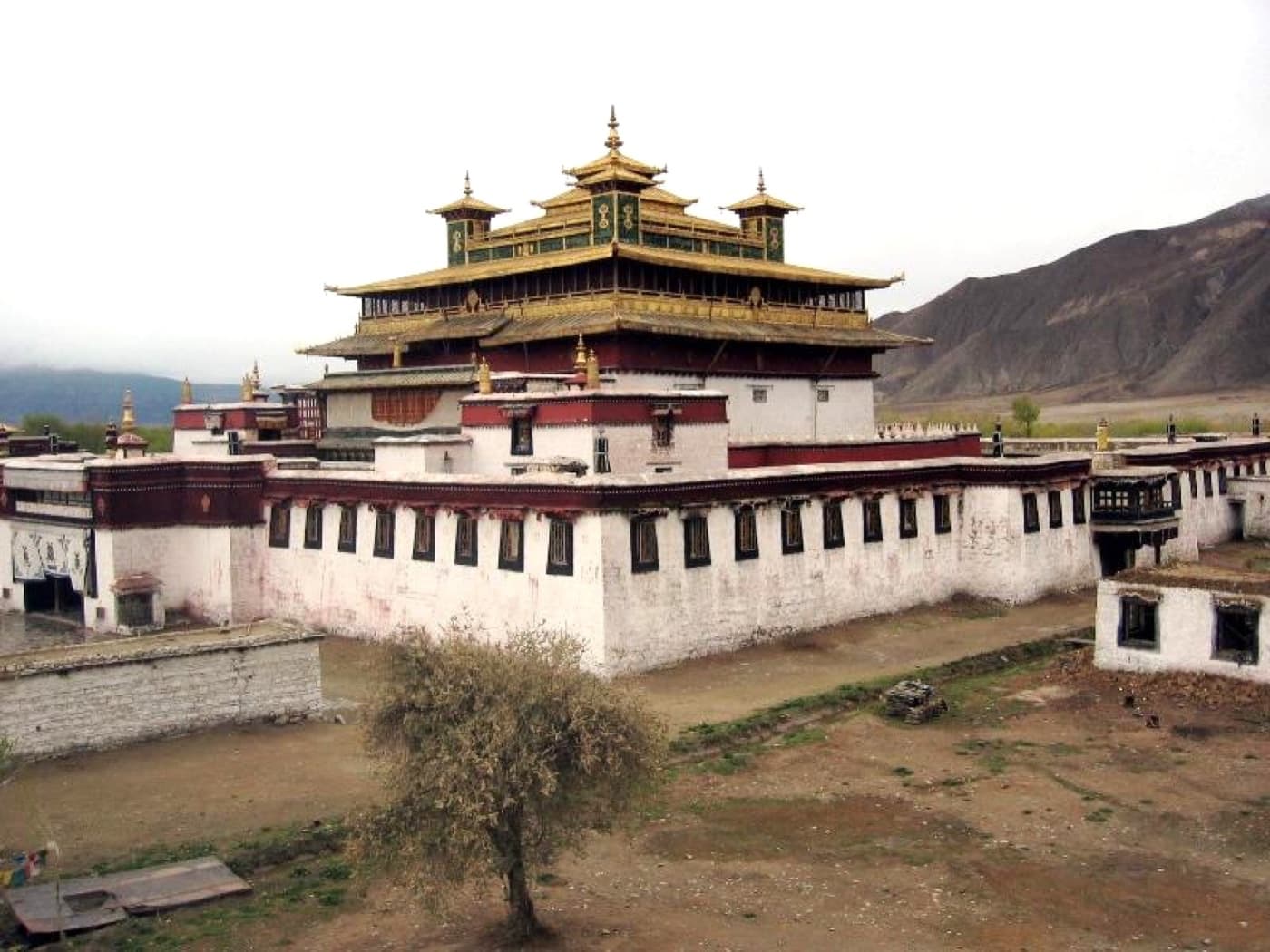
Samye Monastery
Samye Monastery is known as “Tibet's First Monastery” and was the first temple in the history of Tibetan Buddhism to house the complete Three Jewels of Buddha, Dharma and Sangha. Its murals are rich in content; the most famous is the 92-metre-long “Historical Records” mural, which narrates religious accounts of Tibetan history and ancient legends.
2–3 hours · ¥40
Chimphu Retreat
Chimphu is as famous as Samye Monastery; Tibetans say that visiting Samye without going to Chimphu is like not having been there at all. Eminent masters such as Śāntarakṣita and Padmasambhava practised here, leaving many sacred traces. Chimphu sits on the slopes of the Nari Mountains, 15 km northeast of Samye Monastery, at an altitude of 4,300 metres. Today, many ascetic practitioners who have travelled from afar still meditate here, and many Tibetans and visitors regard it as a holy site.
1–2 hours
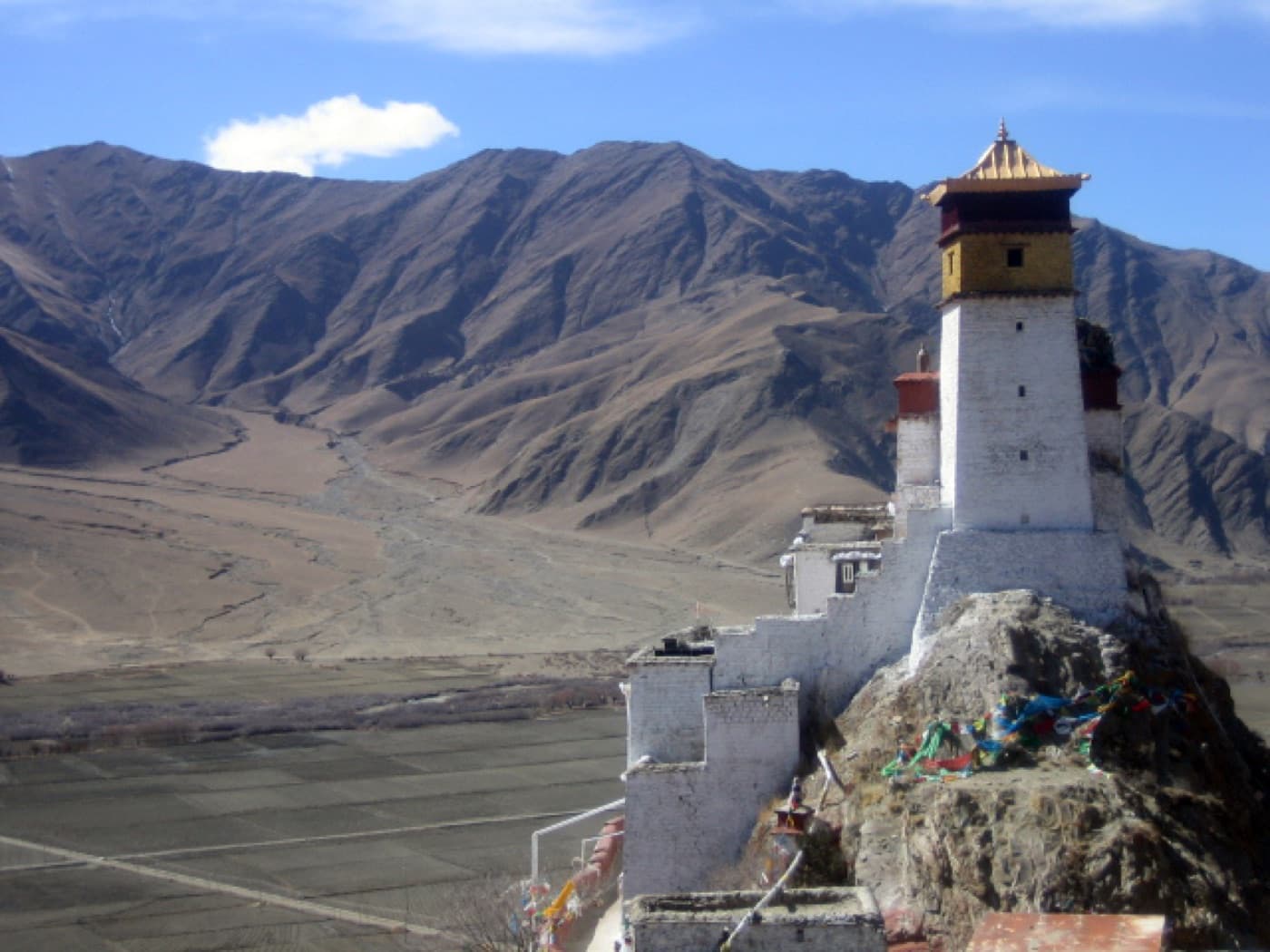
Yumbulagang
Yumbulagang was the first palace in Tibetan history and has a history of more than 2,100 years. Its interior murals vividly depict the stories of Tibet's first king, its first building and its first cultivated field.
1–3 hours · ¥60
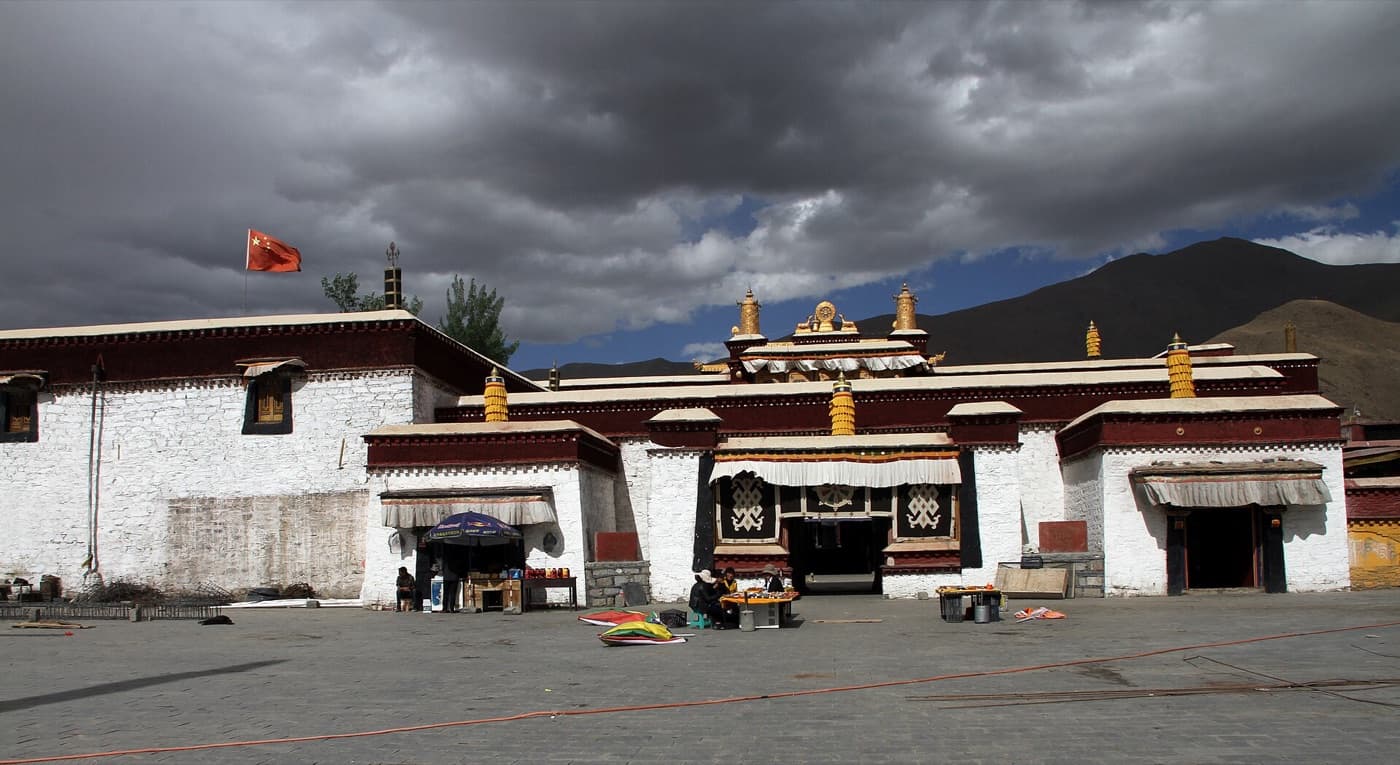
Tradruk Temple
Tradruk Temple is one of the oldest monasteries in Tibet. It belongs to the Gelug school and is a national key cultural relic protection unit. Built under the supervision of Songtsen Gampo more than 1,300 years ago, it housed the first Buddhist shrine in Tibet during the Tubo period. The temple's most treasured object is the pearl thangka, which depicts Jianqi Muni'esong (the Resting Avalokiteshvara) and is of considerable value.
2–3 hours · ¥70
Mount Gongbori
Located on the south side of the Yarlung Tsangpo, close to Tsedang, Gongbori is one of Tibet's famous sacred mountains. It has three peaks: the first is Yangga Wuzi, the second is Senmu Wuzi and the third is Zhukangzi, with caves linking all three. In front of the mountain lies a broad flat plain known as Tsedang.
2–3 hours · ¥30
Lhagyari Palace
Built in the 13th century, with the latest structures dating to the 18th century, Lhagyari was a symbol of royal authority preserved by the descendants of the Tubo royal family after the Sakya and Phagmodrupa regimes. The palace sits on the northern edge of a high plateau south of Qusum County, at an altitude of 3,800 metres. The ruins are vast and architecturally distinctive. Not far away is the famous Sewu Hot Spring.
1–2 hours · ¥20
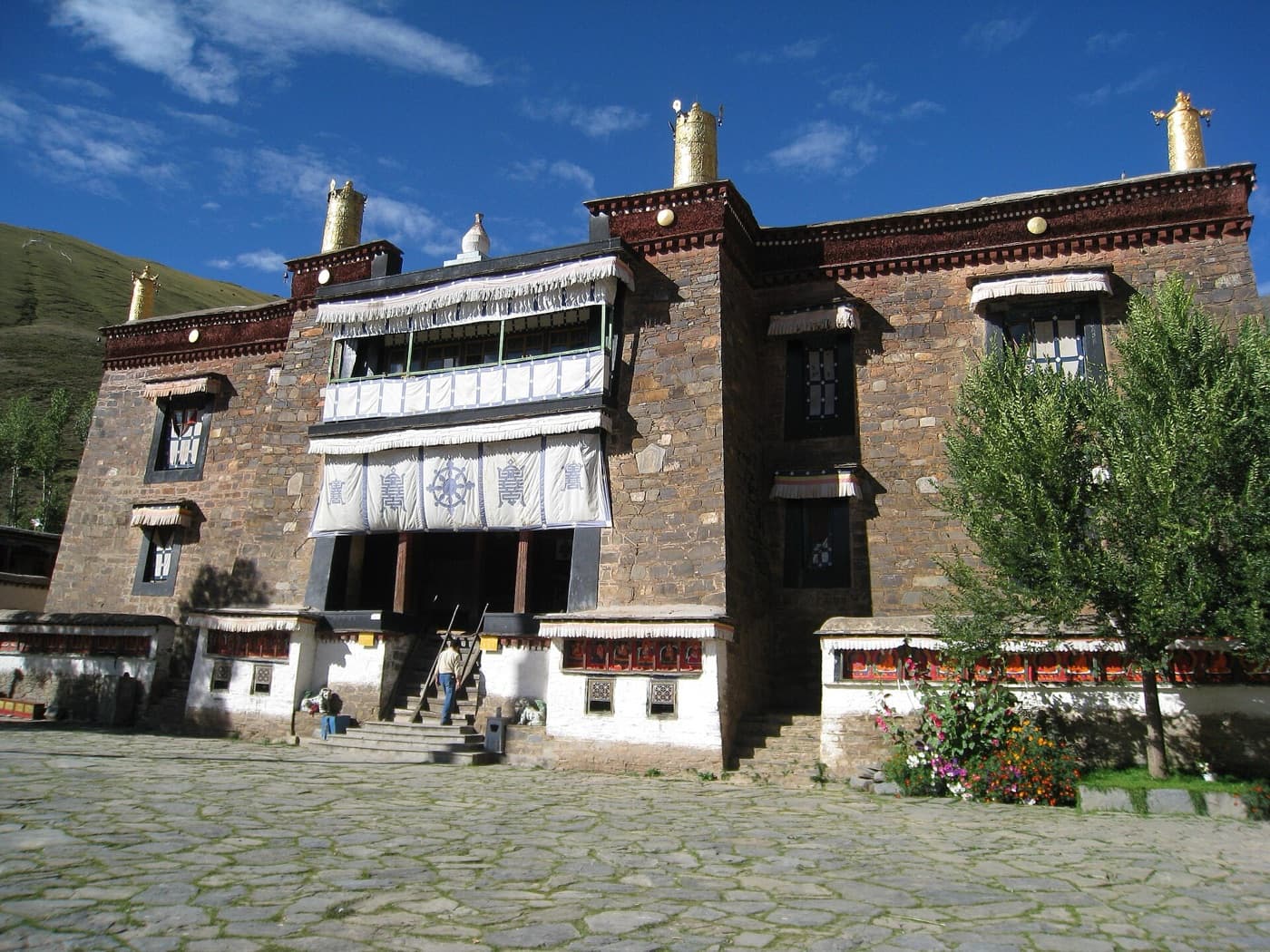
Mindrolling Monastery
Mindrolling Monastery is one of the six great monasteries of the Nyingma school of Tibetan Buddhism. It was first established at the end of the 10th century, rebuilt in 1676, destroyed by war in 1717 and rebuilt again in 1720. Mindrolling is renowned for its study of astronomy and calendrical calculation, its compilation of the Tibetan calendar, Tibetan calligraphy and the making of Tibetan incense. By tradition, Mindrolling selects senior monks to serve as teachers at the monastic official college inside the Potala Palace, while others research calendrical calculation and revise the “Tibetan Calendar Chronology” at Menzikang.
2–3 hours · Free
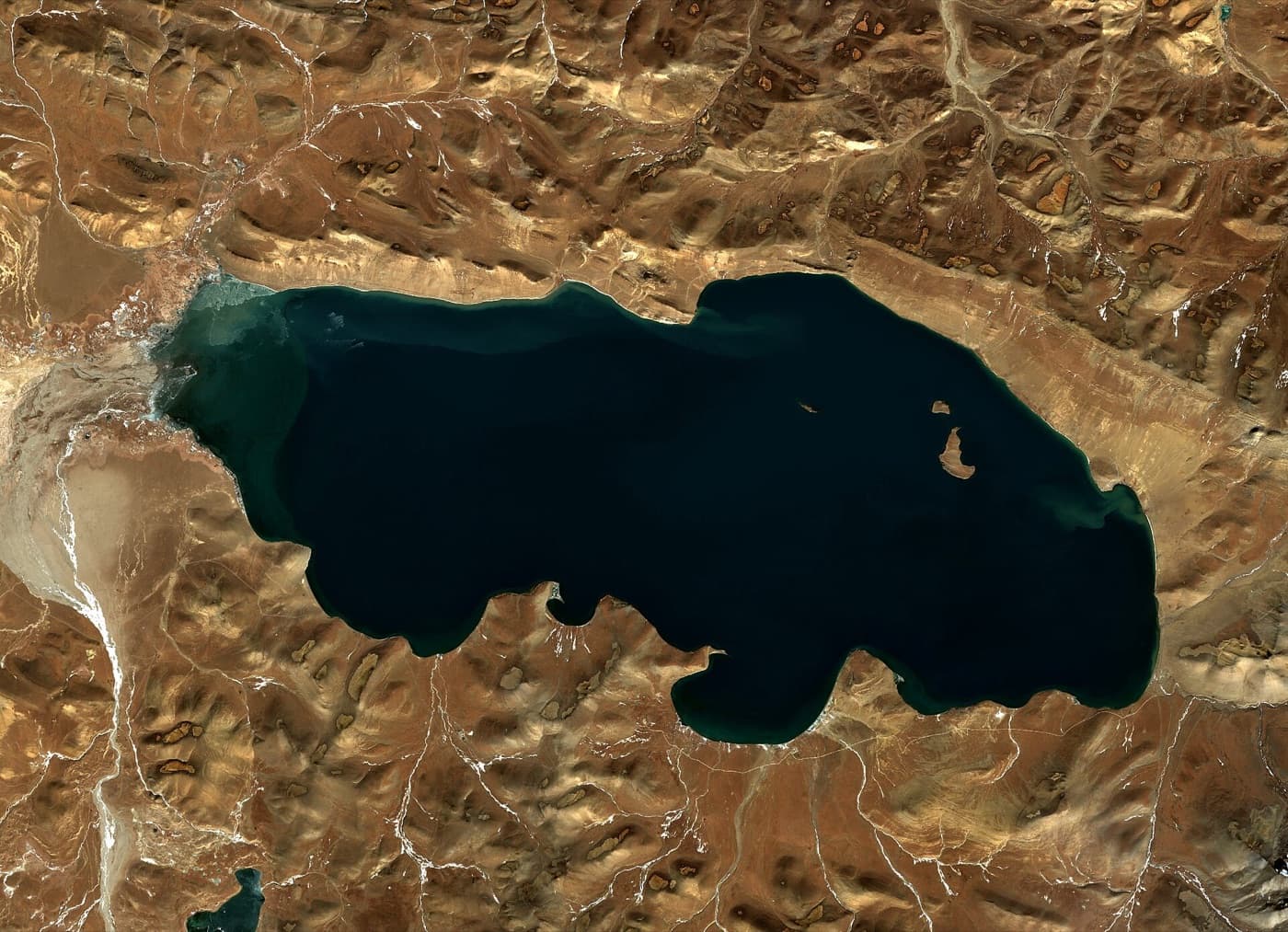
Puma Yumco
A freshwater lake nestled among the Himalayas, often called 'China's Lake Baikal' by Tibet drifters. In Tibetan, Puma Yumco means 'Lake of the Maiden's Tears', and the name fits: the water is so vividly blue that it is hard to tell where the lake ends and the sky begins. Puma Yumco is at its most beautiful in deep winter, when the crystal-clear blue ice of the lake makes it feel like a dreamlike world.
1–2 hours
Getting there & around
Road
Lhasa Gonggar Airport is located 98 kilometres south of Lhasa, in Gonggar County, Shannan. After leaving the airport, you will reach a three-way junction where you can wait by the roadside for a bus. Buses running from Lhasa to Zedang Town in Shannan pass by here. You can also charter a car from the airport directly to Zedang Town. Shannan is not connected by rail. Buses to Samye Monastery depart from Jokhang Temple Square, and long-distance buses also run daily between Lhasa North Suburb Bus Station and Shannan, serving Qushui, Gonggar, Chanang, Sangri and Zedang.
Getting Around
1. Long-distance buses run daily between Lhasa and Zedang Town in Shannan. The road distance between the two is about 200 kilometres, and the fare is about ¥50.
2. From Gonggar Airport, travel along the Yarlung Tsangpo River to Zedang in the Yarlung Valley, then continue through Qusum, Sangri and Gyaca to Milin (Nyingchi). After crossing the Milin Yarlung Tsangpo Bridge, follow the Nyang River upstream to Bayi Town in Nyingchi, then climb to Mila Mountain, the watershed between the Nyang River and the Lhasa River, and descend along the Lhasa River back to Lhasa. This roughly loop-shaped route is known as the “One River, Two Rivers” journey. Adventurous travellers may consider driving themselves.
Where to stay
Accommodation in Shannan is concentrated along Naidong Road in Zedang Town, with small inns and hotels. You can also choose to stay at a monastery, where the costs are modest.
Source: China Self-Guided Travel 2025 (《中国自助游》, Tianjin Science & Technology Press, Aug 2024), pp. 597–610. Translated from the Chinese edition; names and prices follow the guidebook. · Plain text version