Ngari travel guide
阿里
Ngari travel guide with a day by day itinerary, 7 places with tickets and opening hours, where to eat and stay, and how to get there.
7 places · In the guidebook: pages 587–596

Ngari, Tibet Autonomous Region · AI illustration for China Trip
Things to see
Earth Forests are a distinctive landform. Ancient mountain-building movements lifted lakebed sediments, which were then cut by running water over a long period and gradually weathered and eroded away.

Mount Kailash
1–2 days · ¥150
The highlight of a trip to Ali is Mount Kailash, the most sacred of mountains, and its companion holy lake, Lake Manasarovar. Mount Kailash rises to 6,638 m and is the main peak of the Gangdise Mountains. Its snowy peak is symmetrical on all four sides, resembling a pyramid, which adds to its sense of mystery. Kailash is regarded as the centre of the world by Tibetan Buddhism, Hinduism and Bön alike, so pilgrims arrive in an unbroken stream. To this day, no one has climbed it, as its sacred status in people’s hearts cannot tolerate being trodden by ordinary mortals.

Guge Kingdom Ruins
2–3 hours · ¥65
The Guge Kingdom Ruins cover about 180,000 square meters. Rising more than 300 meters from the foot of the mountain to its summit, the site is densely packed with dwellings, stupas and caves, more than 600 in all, forming a vast complex of ancient architecture. In recent years, the sculptures, carvings and murals unearthed around the ruins have become precious legacies left by this mysterious kingdom. Guge sculpture consists mainly of gilt and silver Buddhist figures, and its greatest achievement is the statues known as the Guge Silver Eyes. The most completely preserved and most numerous remains are the murals. Guge murals have a distinctive style and reflect every aspect of social life of the time. The site is surrounded by city walls with watchtowers at the four corners. The ruins sit on a small earthen hill and are arranged in three tiers: the royal palace, the temples and the residences.
Lake Manasarovar and Lake Rakshastal
The sacred Lake Manasarovar lies at 4,588 m, over 20 km southeast of Mount Kailash. Across the Baga–Burang road is the ‘Ghost Lake’, Lake Rakshastal. Manasarovar is a freshwater lake, while Rakshastal is saltwater: one is clear and brimming with the longing for life, the other silent and deathly still. In terms of size, depth and altitude, Manasarovar can hardly rank among Tibet’s largest lakes. Yet Tibetan people revere it as a noble queen, and it is regarded as sacred by Bön, Tibetan Buddhism, Hinduism and other religions. Believers hold that its holy water can cleanse filth from the body and wash away poison from the heart, so everyone who makes the circuit of the lake bathes here.
1 day · Lake Manasarovar ¥150; Lake Rakshastal ¥35
Zanda Earth Forest
Between the Gangdise and Himalayan mountain ranges in Zanda, along the Xiangquan River (Sutlej) valley, stretches the magnificent Zanda Earth Forest, covering 210 square km at an average altitude of 4,000 m. Its ‘trees’ of earth rise and fall dozens of metres high, taking on myriad shapes full of character. Zanda’s sunsets are the most beautiful, and the earth forest bathed in their glow is the most enchanting. The ruins of the Guge Kingdom lie within the Zanda Earth Forest.
1–2 hours · No entrance ticket, but you must carry a border permit (边防证)
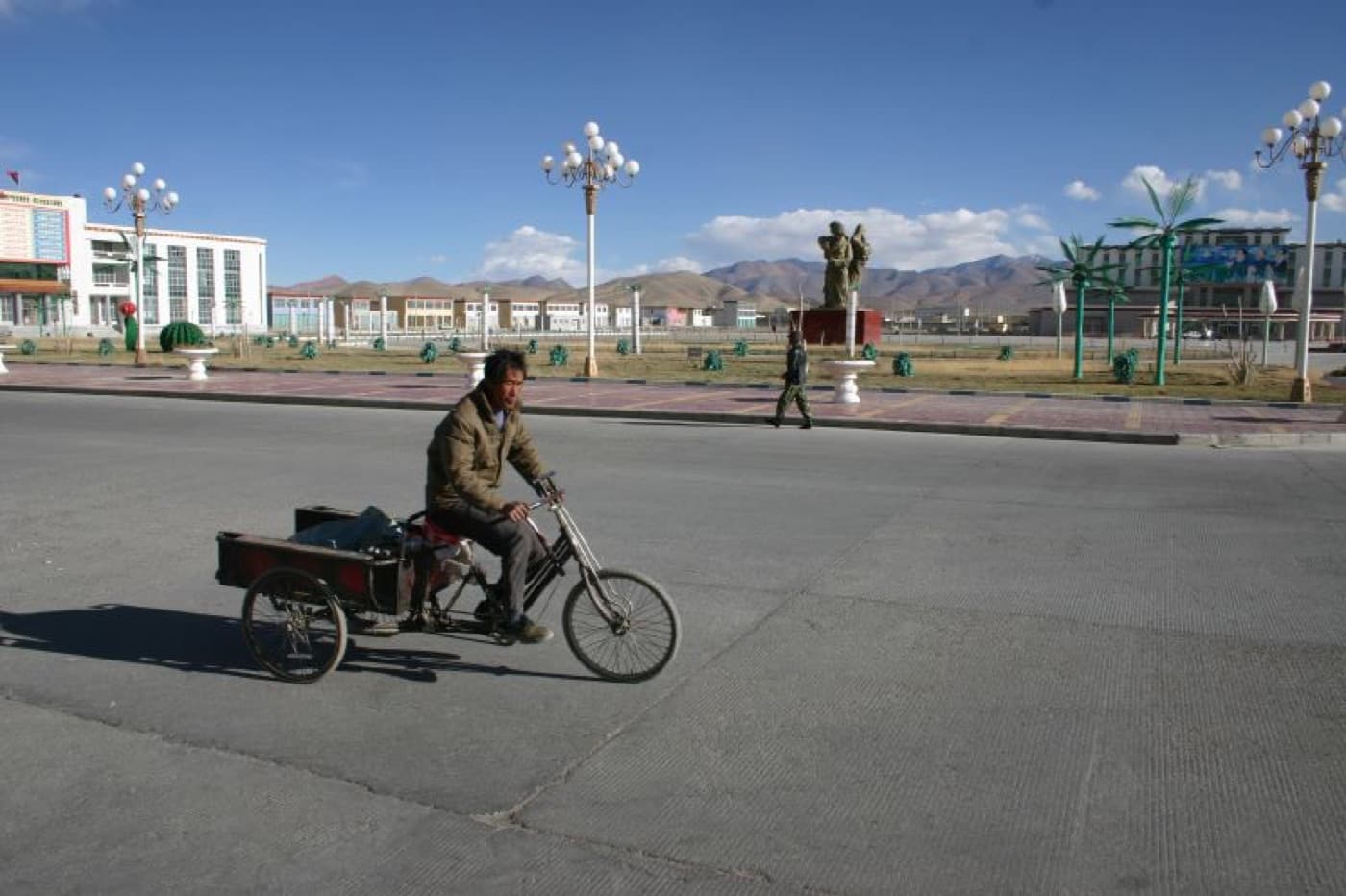
Shiquanhe Town
Walking along the main street of Shiquanhe Town gives a distinctly exotic feeling. The town takes its name from a bend of the Shiquanhe River, an upper tributary of the Indus, and today it is the administrative seat of Ngari (Ali) Prefecture. To someone from a big city, it may seem like nothing more than a small town ringed by mountains. But beneath the pure blue sky, where clouds and peaks seem within arm's reach, the whole town has an unhurried, laid-back feel.
1–2 hours
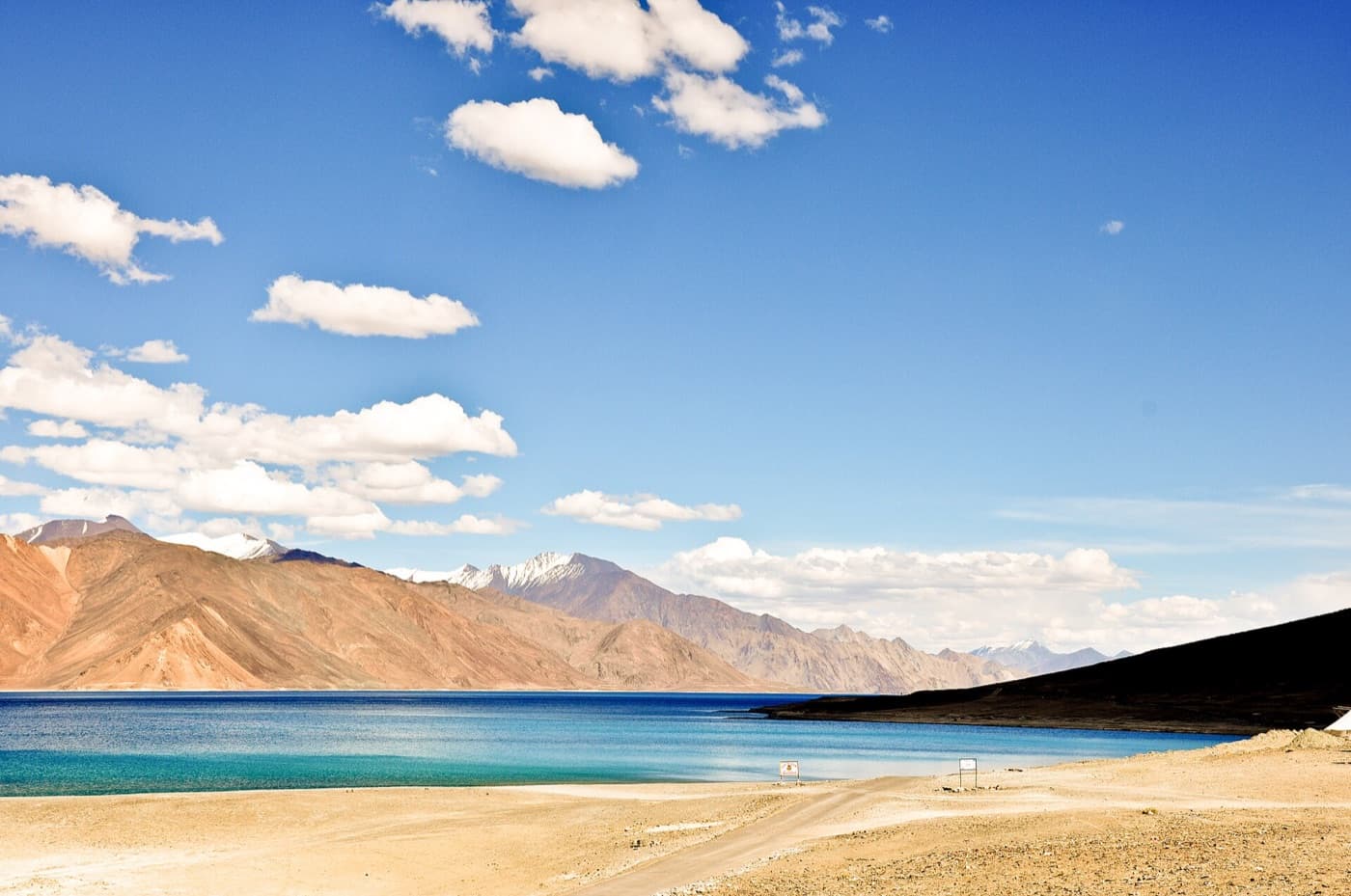
Pangong Tso
In Tibetan the lake is called "Tso Mo Ngar Rinpoche," meaning "Long-Necked Swan." It covers 604 square kilometers and is 150 kilometers long, but its average width is only 25 kilometers, and at its narrowest point it is just 5 meters across. The lake teems with fish and waterbirds, and every summer tens of thousands of Mediterranean black-headed gulls come here to breed. You can rent a boat to explore the lake, or visit Bird Island to see clusters of nests and eggs and watch gulls and bar-headed geese. Pangong Tso lies partly in Ngari, China, and partly flows into India. It is a long, narrow lake. Interestingly, although it is one lake, the water on the Chinese side is fresh, while the water on the Indian side is salty, bitter and undrinkable, and no fish live there.
1–2 hours
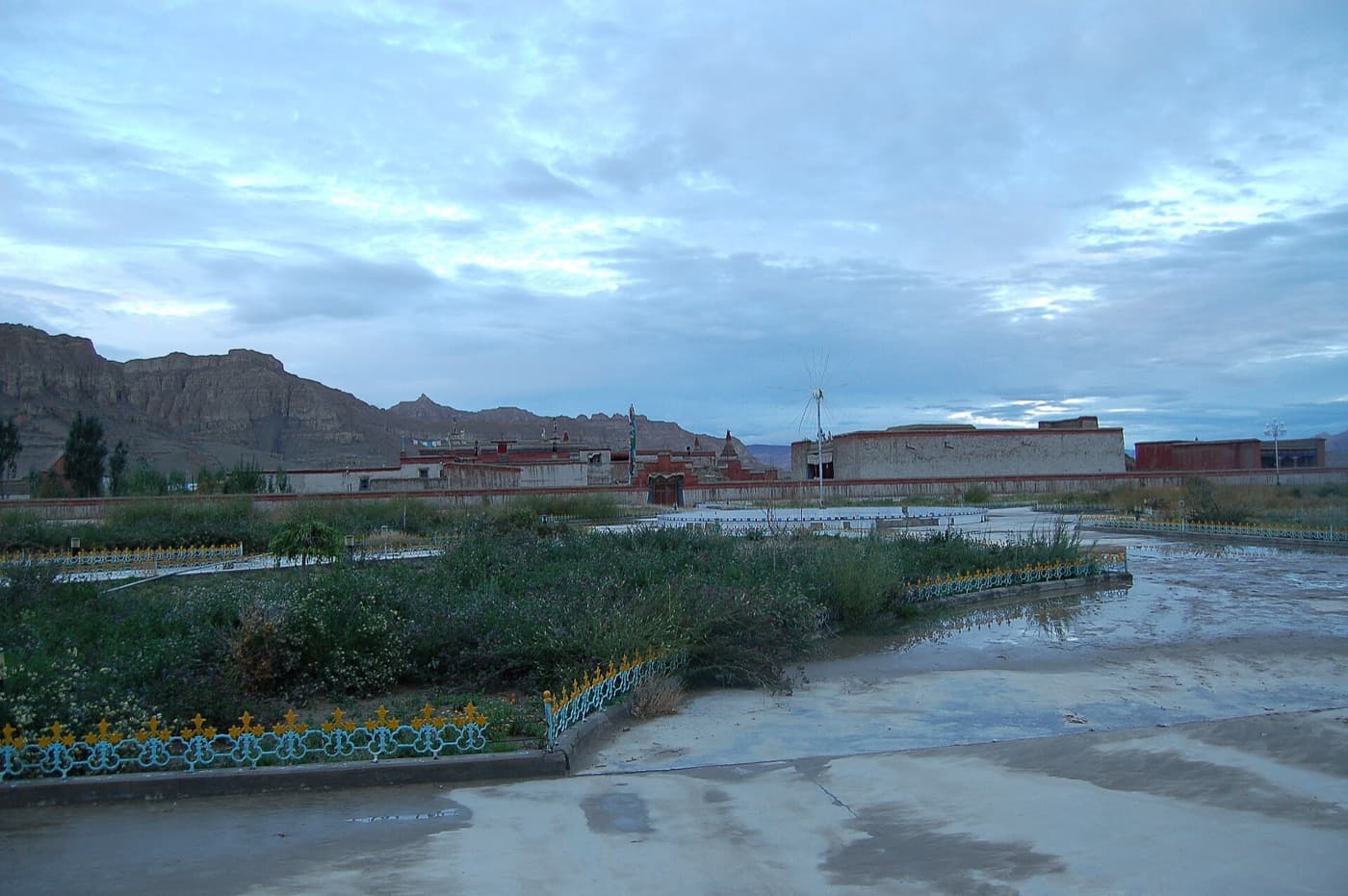
Tholing Monastery
Tholing Monastery sits north of Zanda County, beside the Sutlej River (象泉河). It was built in the early 11th century by Yeshe-od, a king of Guge. Thanks to the vigorous promotion of Buddhism by the Guge Kingdom, Tholing Monastery gradually became the Buddhist centre of its time, and its scale and layout were modelled on Samye Monastery in Central Tibet. Over the centuries, despite repeated natural and human-caused damage, Tholing still has halls standing in rows and stupas rising high.
1 hour · ¥50
Shopping
Ngari's foreign trade and economic activity is concentrated at Tangga International Market in Burang County. It is a seasonal border port, open only from July 15 to October 15 each year.
Tangga International Market
The market is a trading place mainly for Indian and Nepali merchants, with only a very small number of local Tibetan residents. It is 2 kilometres from the joint inspection building in Burang, which houses customs, border control, health quarantine, commodity inspection and animal quarantine, with the Peacock River in between. Indian and Nepali merchants mainly sell cloth, woollen fabrics, bedsheets, brown sugar, French perfume, Indian perfume, hair oil, cosmetics and jewellery. Some Indian and Nepali traders also exchange brown sugar and general goods for wool and other local products.
Qiaotou Market
Two suspension bridges lead to Tangga Market. Near the bridgehead by the old town, a market has naturally formed, known as “Qiaotou Market”. It is mainly run by small vendors and a few Nepali border residents.
- Burang's Fame Mount Kailash, the sacred mountain, and Lake Manasarovar, the holy lake, are both located in Burang County in Ngari, which has made Burang famous far and wide.
Source: China Self-Guided Travel 2025 (《中国自助游》, Tianjin Science & Technology Press, Aug 2024), pp. 587–596. Translated from the Chinese edition; names and prices follow the guidebook. · Plain text version