Harbin travel guide
哈尔滨
Harbin women tend to be tall and fair-skinned, with a frank and generous character. Harbin men are often tall and burly, giving an impression of “tough guys,” yet they are in fact very friendly.
24 places · In the guidebook: pages 2149–2182

Harbin, Heilongjiang Province · AI illustration for China Trip
Quick itinerary
Harbin in 3 days
- Day 1
- Central Street Pedestrian Mall→
- Saint Sophia Cathedral→
- Flood Control Memorial Tower→
- Stalin Park→
- Songhua River (in winter, visit Harbin Ice and Snow World in the evening to see ice sculptures and ice lanterns)
- Day 2
- Old Daowai District→
- Gogol Street→
- St. Alexis Church→
- Dragon Tower
- Day 3
- Sun Island Scenic Area→
- Northeast Tiger Forest Park→
- Harbin Polarland
The feel of the place
- Warm-hearted Harbiners
- Harbin women tend to be tall and fair-skinned, with a frank and generous character. Harbin men are often tall and burly, giving an impression of “tough guys,” yet they are in fact very friendly.
- Yangqi (Chic)
- This is the highest word of praise in Harbin for aesthetic value and quality. Whatever is considered the best of its kind is described with this word.
- Architecture
- Harbin has many nicknames, and “Little Paris of the East” is one of them. Strolling through its streets, you will be drawn to the exquisite buildings that catch your eye at every turn. Nearly every school of modern world architecture can be found here, from Rococo to Baroque, from Renaissance to Art Nouveau, from the pointed Gothic spires to the Russian “onion domes.” Central Street has 80-year-old granite paving, and several blocks retain well-preserved Russian-style villas……
Winter on the Songhua River
tip: 1. Shopping: In winter, visitors to Harbin can buy down jackets and pants or wool long johns locally. They are not only cheap but also thick and cold-resistant. Choose lightweight, warm clothing, windproof gloves, and insulated shoes so you stay warm and mobile while climbing or sightseeing. Be sure to wear sunglasses, too, to protect your eyes from the glare reflected off the snow.
2. Medicine: Northeast China has large temperature differences between indoors and outdoors, a dry climate, and rapid changes between hot and cold, so colds are very common. Bring essential medicines and skincare products.
3. Protecting your camera: In Harbin, where temperatures can drop dozens of degrees below zero, keep your camera warm, or the shutter may freeze and the battery will drain quickly. Also, when you come indoors from the cold, the lens will fog up from the temperature change. If possible, let it sit in the refrigerator's chiller compartment first.
4. Dining on a heated kang: If you have the chance to visit a local farmhouse, try eating a meal on a warm heated kang (brick bed).
Preparation and Advice
Language
Harbin people speak clearly, and their accent is fairly close to Standard Mandarin, so communication is rarely a problem.
Climate and Best Time to Visit
Summers in Harbin are cool and pleasant, with an average temperature of about 22℃ in July, the hottest month. Winters are long and cold, with an average temperature of about -20℃ in January, the coldest month. Harbin can be visited year-round, but winter and summer are the best seasons. From December to January, although it is cold, you can fully experience the snowy, icy landscape of the north. From July to September, the weather is cool and comfortable, ideal for escaping the heat.
Things to see
Located on South Third, South Second and South First Streets in Old Daowai. Some buildings are old ones that have been refurbished, while others are replicas. On an ordinary day, the street is quiet, but if you want to eat at a time-honored restaurant, be sure to avoid mealtimes, when crowds are huge and you'll need to queue. The atmosphere and décor will make you feel transported back to a bygone era.

Sun Island Scenic Area
1 day · Free
The scenic area comprises Sun Island together with nearby islands and sandbars, and was once a hugely popular destination in Harbin. Its unpretentious, rugged northern landscape makes it the first choice of Harbin residents for outings and picnics. The annual Snow Expo is the scenic area's biggest highlight, with wonderfully lifelike snow sculptures that captivate visitors.

Harbin Ice and Snow World
4–5 hours · ¥328
The crowning achievement of Harbin's many ice and snow attractions, this is where many of the large ice lanterns and ice sculptures are created. Every Spring Festival holiday, the Ice and Snow World makes its dazzling debut, and it never fails to surprise visitors.
Central Street (Zhongyang Dajie)
Built in 1896, Central Street is one of the largest and longest pedestrian streets in Asia. It brings together 13 municipally protected buildings in Renaissance, Baroque, eclectic and modern styles, making it a rare architectural gallery in China.
1–3 hours
Songhua River
The stretch of the Songhua River flowing through central Harbin has long been one of the city's signature landscapes. In winter, the frozen river becomes a playground, with horse-drawn sleigh rides and snow tubing on the ice. In summer, the riverbank is a favourite place to cool off and take a stroll.
1–2 hours · Songhua River cable car ¥80 (round trip)
Gogol Street
A street full of rich Russian charm with more than a century of history. Its most distinctive building is the Baroque-style Church of St. Alexei, the second most beautiful church in Harbin. Gogol Street is both a famous cultural street and Harbin's bar street, with plenty of food and a stunning night view.
1–3 hours
Volga Manor
A Russian-themed cultural manor full of exotic charm. The grounds are beautiful and lush, filled with birdsong and fragrant flowers. A winding little river flows through the estate, its clear waters and delicate bridges creating a peaceful, harmonious pastoral scene. Amid the picturesque surroundings, you can enjoy performances of Russian folk song and dance and experience a foreign atmosphere without leaving China.
0.5–1 day · ¥218
Poseidon Underwater World
This is an unusual aquarium. Architecturally, it draws on ancient Greek myth and blends in marine motifs to create a mysterious undersea world. Walking through the underwater tunnel, colourful marine life seems within arm's reach, and you can't help but think of Jules Verne's Twenty Thousand Leagues Under the Sea.
2–3 hours · ¥208
Saint Sophia Cathedral
One of the largest Orthodox churches in the Far East and a classic example of Byzantine architecture. The bell tower above the main entrance houses seven bronze bells. The building now serves as the Provincial Architecture Art Museum.
1–3 hours · ¥20
Old Daowai District
One of China's largest 'Chinese Baroque' architectural districts. Within these Western-style old houses, which have weathered a century of change, you'll find Chinese-style courtyards, an architectural form uniquely created by Harbin residents. Old Daowai is home to many local eats, including Zhangfei Braised Meat (张飞扒肉), Fan's Dumplings (范记永饺子馆) and Hutong Laoguolao (胡同老锅烙), all worth trying.
2–4 hours
Harbin Polarland
The highlight here is the world's only underwater beluga whale show. 'Heart of the Ocean,' a performance by the belugas and a beautiful trainer, draws the most attention.
2–4 hours · Ocean Hall ¥130; Polarland Hall ¥198
Flood Control Memorial Tower
Completed in 1958 to commemorate the people of Harbin overcoming a severe flood in 1957. The tower is cylindrical, and its reliefs depict the flood-fighting effort in lifelike detail.
10–30 minutes
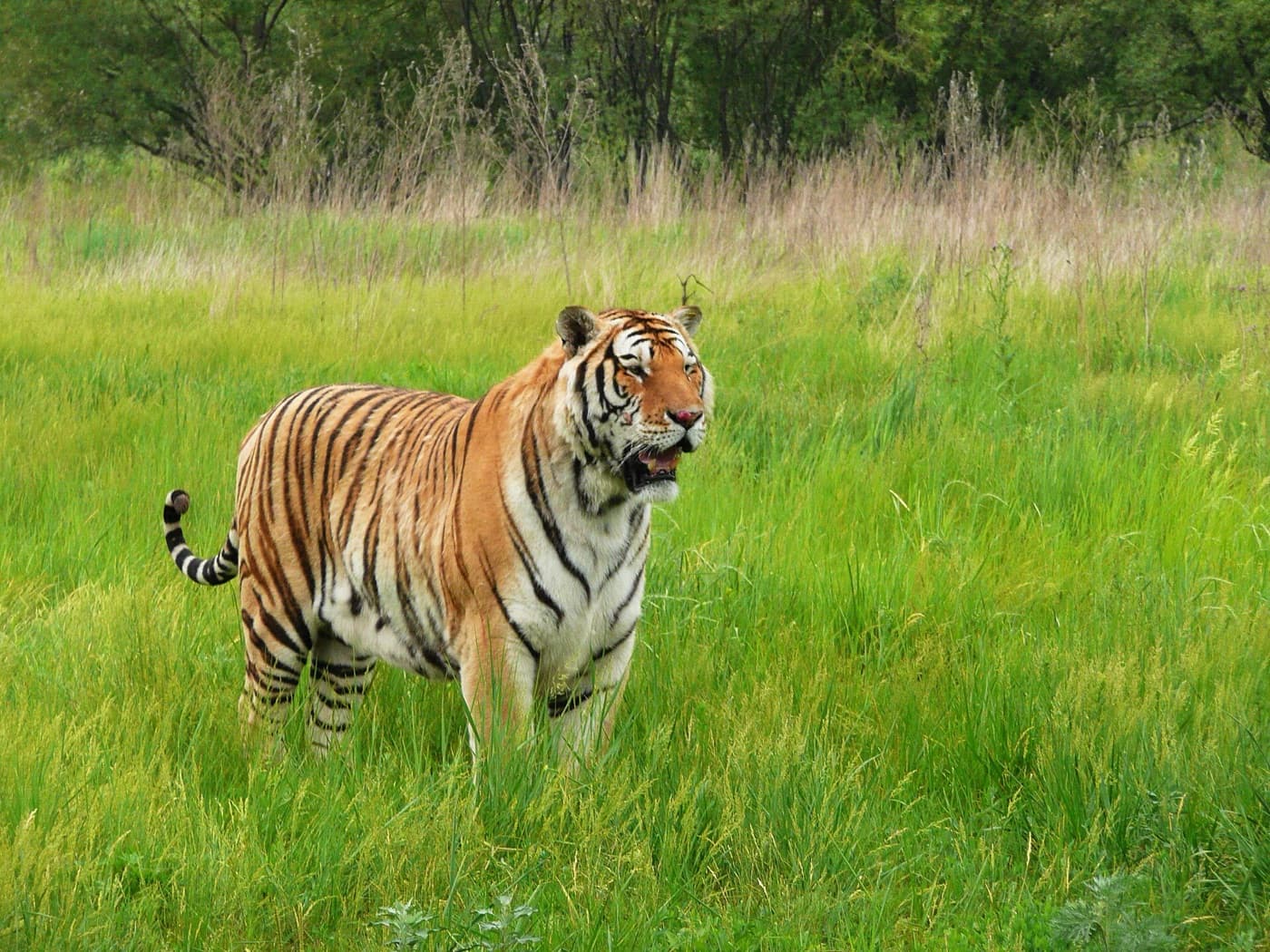
Siberian Tiger Park
Separated from the famous summer resort of Taiyang Island Scenic Area only by a river, this park was established to rescue and protect the endangered Northeast China tiger. Visitors can have safe contact with Northeast China tigers here.
2–3 hours · ¥110 (including sightseeing bus)
Harbin Dragon Tower
Dragon Tower stands 336 metres tall and is a landmark of Harbin. Especially striking, the tower's observation deck flares outward in a flying-saucer shape between 181 and 216 metres.
2–3 hours
Getting there & around
Getting In and Out
Harbin enjoys an excellent location, with convenient and fast transport. It sits in the hinterland of the Asia-Pacific economic development zone and is a transport hub linking Northeast Asia, Europe, and the Pacific. Five railway lines, including the Harbin–Dalian, Binzhou–Suifenhe, Binzhou, and Lafa–Binzhou lines, converge here and connect to the Trans-Siberian Railway in Russia.
By Air
Harbin Taiping International Airport is the second-largest international airport in Northeast China. Located on the western outskirts of Harbin, it can handle large aircraft from both domestic and international airlines day and night. Flights run to major cities across China, and air links have been established with Niigata in Japan, Seoul in South Korea, Khabarovsk and Vladivostok in Russia, and Hong Kong.
Airport Shuttle
The Civil Aviation Building has shuttle buses to and from the airport. The fare is ¥20.
Sightseeing Cableway
The Songhua River Sightseeing Cableway runs from Tongjiang Square in Daoli District in the south, crosses the Songhua River, and ends at the center of the Sun Island Scenic Area in the north. It is close to Stalin Park, the Flood Control Memorial Tower, and Central Street. Riding the cableway across the river gives you an unobstructed view of the Songhua River scenery.
Ferry
Harbin also has four ferry routes connecting the city center with Sun Island (太阳岛), offering convenient and fast water transport for Chinese and international visitors.
City Transport
Urban taxis start at ¥8. Daytime fares are ¥1.9 per km, nighttime fares ¥2.5 per km, plus a ¥1 fuel surcharge. Buses cost ¥1, and air-conditioned express routes cost ¥2.
Ice Sports
Every year, Sun Island hosts a public snow sculpture competition. On the river, visitors can try ice sledding, ice sailing, ice skating and ice hockey, so anyone keen on ice sports should come and show off their skills.
Rail
Harbin is the second-largest rail hub in the Northeast after Shenyang, with four railway stations: Harbin Station, Harbin East Station, Harbin North Station and Harbin West Station. Harbin Station handles most trains passing through Harbin. Harbin East Station is the origin for most trains departing Harbin and the terminus for most trains arriving. Harbin West Station is the high-speed rail station.
High-Speed Rail
The Harbin–Dalian high-speed line runs from the seaside city of Dalian in the south, through Yingkou, Anshan, Liaoyang, Shenyang, Tieling, Siping, Changchun and Songyuan, to Harbin, the Northern Ice City. The full journey takes only 4 hours.
Road
National highways 102 (Beijing–Harbin Expressway), 202 (Heihe → Dalian), 221 (Harbin → Tongjiang) and 301 (Manzhouli → Suifenhe), among others, radiate out to destinations across the country.
Expressways run from the province to Beijing, Daqing, Qiqihar, Mudanjiang, Suifenhe, Jiamusi and Hegang. Dozens of long-distance bus routes also connect the province's main towns and neighboring cities outside the province.
Long-Distance Bus Stations and Destinations
Waterways
Harbin Port is one of China's eight major inland river ports and the largest inland river port in the Northeast. It has two facilities: a passenger port (Beiqi Street, Daowai District) and a cargo port (Sankeshu, Taiping District).
The passenger port operates routes including Harbin to Jiamusi, Harbin to Beilaozhou, Harbin to Zhaoyuan and Harbin to Qinghe. Sailings begin in mid-April and end in early November.
Local Transport
Harbin has more than 100 bus routes covering the city and its suburbs, and thousands of taxis serve the streets day and night. Harbin currently operates Metro Lines 1, 2 and 3.
Civil Aviation Ticket Office
Air- Address:
- No. 101 Zhongshan Road, Xiangfang District
- Phone:
- 0451-82871188
Harbin Airport Information Desk
Air- Phone:
- 0451-96368
Zhonghai Direct Air Ticket Office
Air- Address:
- No. 32 Ganshui Road
- Phone:
- 0451-82320788
Harbin Port Authority
Harbin Port Authority- Address:
- No. 1 Haiyuan Street
- Phone:
- 0451-88911916
Harbin Shipping Company
Harbin Shipping Company- Address:
- No. 140 Jiangpan Road
- Phone:
- 0451-88912609
Harbin Ferry Company
Harbin Ferry Company- Address:
- No. 87 Dongbei Xinjie, Daowai District
- Phone:
- 0451-88915707
Taxi Complaints
City Transport- Phone:
- 0451-96366
Daowai Highway Bus Station
Daowai Highway Bus Station- Address:
- No. 287 Chengde Street, Daowai District
- Phone:
- 0451-88393271
- Getting there:
- Departures to Keshan Farm, Xunke, Tangwanghe, Jiayin, Yanshou, Yushu, Shangzhi, Dongning, Zhaodong, Zhaoyuan and Zhaozhou
Sankeshu Bus Station
Sankeshu Bus Station- Address:
- No. 3 Huashu Street, Daowai District
- Phone:
- 0451-57682646
- Getting there:
- Buses run to all parts of the Harbin area except Acheng and Shuangcheng
Eat & drink
Harbin's cuisine is dominated by Northeastern Chinese dishes, but it has absorbed many foreign influences, with a distinctly Russian flavor.
At the entrance of nearly every restaurant, lanterns hang high, a custom that has become standard in Harbin. The more lanterns there are, the higher the prices and standard. A red lantern signals an ordinary Chinese restaurant.
Harbin has a wide variety of sausages, and shop windows are hung with long strings of them. They are very popular with locals and Russian visitors alike.
Strolling along Central Street, you'll find more restaurants and eateries than you can count, and the further south you walk, the cheaper they get. There are also plenty of bakeries serving freshly baked bread and all kinds of pies.
The cold climate has enriched the local frozen foods. Frozen fruits include frozen pears, frozen persimmons, frozen apples and frozen crabapples (haitang). Frozen snacks include frozen dumplings and frozen tofu.
Architecture
Before visiting Harbin, it's worth learning a little about its architecture. In the city centers of Daoli and Nangang districts, many stunning buildings will surprise you. If you have time to study their history, you're sure to be captivated by Harbin. The buildings in the old town, mostly in European and Japanese styles, still look much as they did over a century ago, so if you want to understand Harbin's history, take a walk here. The area also has plenty of tasty snacks.
Ordering
Unlike the 'refined' style of southern restaurants, portions here are generous. When dining at a Northeastern restaurant, don't order too many dishes. As a rule, three people should order three dishes, roughly one per person.
Exotic-Themed Streets
Known as the 'Little Paris of the East,' Harbin is always full of exotic charm. Today, themed streets such as India Street and Russian Street have gradually become another highlight of the city.
Specialty Restaurants
Fresh Fish
Across the Songhua River is a fishing village where the entire street is lined with small restaurants and business is brisk. Their main specialty is freshly caught Songhua River fish, prepared on the spot.
Local Specialties
Huamei Western Restaurant (Central Street Branch)
Fresh FishA Russian restaurant offering a full range of Russian, British, French and Italian flavors, all authentic. Huamei Western Restaurant is something of a symbol of Harbin. Recommended dishes include borscht, casserole-braised beef and gently pan-fried chum salmon.
- Address:
- No. 112 Central Street, Daoli District
- Phone:
- 0451-84619818
Madier Ice Bar Hall
Fresh FishA time-honored institution on Central Street, where people queue to buy an ice bar. Whether it's blazing summer or deep winter, the queue never surprises anyone. Its yogurt and ice bars are also popular.
- Address:
- No. 89 Central Street, Madier Hotel, Daoli District
- Phone:
- 0451-84884000
Wu's Braised Bone Restaurant
Fresh FishSpecialties are large marrow bones and spine bones. Though served cold, they pack a satisfying flavor, and the place is often full and very popular. A branch has also opened on West Dazhi Street, with pleasant surroundings.
- Address:
- No. 208 West Dazhi Street, Nangang District
- Phone:
- 0451-87516677
Dalieba (Large Bread)
Specialty FoodsAnother name for Russian-style large bread, with a traditional European flavor. The bread-baking tradition at Qiulin Company and Huamei Western Restaurant goes back 70 to 80 years.
Red Sausage
Specialty FoodsOne of Harbin's most classic foods is red sausage. Shops in other provinces and cities now sell 'Harbin red sausage' from street-side stalls, but they can't match the local Qiulin red sausage. The most famous and traditional flavor is garlic, which can be tucked inside a dalieba; each bite is bursting with meaty flavor.
Where to stay
Harbin's hospitality sector is well developed, with dozens of hotels that welcome foreign guests and more than a hundred star-rated hotels. Budget guesthouses are numerous and widespread across the city.
Options for Every Budget
For hotels, Gogol Street is a good choice: it is centrally located, well connected and reasonably priced. For budget inns, try the area near Maduan Street and Huangchao Fuhao, which is more affordable as it lies on the outskirts. However, during the Ice and Snow World, the Ice and Snow Garden Fair and the Snow Expo in winter, prices rise by at least 20%.
Heilongjiang
Recommended AccommodationJuxian Hall Hotel is located in a busy commercial district. It offers advanced facilities and luxurious décor, and its specialty restaurants and bathhouse are attractions in their own right, making a stay here a true treat.
- Address:
- 44 Minhang Road, Xiangfang District
- Phone:
- 0451-87094188
Shopping
Harbin has very few local specialty products, but they are of exceptionally high quality and quite distinctive.
Hericium mushrooms are a true 'mountain delicacy' and are not expensive to buy locally. Three-flower fish (bian, ao and ji varieties) are a delicacy of the rivers, the pick of the water. Air-dried sausage is a folk favorite to accompany a drink. Northern red beans and wild vegetables are not precious, but red beans symbolize longing, and wild vegetables are the genuine taste of the northern wilds.
As the provincial capital, Harbin brings together the finest products from across Heilongjiang. The most famous is ginseng, specifically wild Changbai Mountain ginseng, which ranks first among the 'Three Treasures of the Northeast'. Agate handicrafts are also worth a look, with vivid designs and a crystal-clear finish.
The Golden Sun Mall beside St. Sophia Cathedral in Daoli District mostly sells Korean goods, with a wide range of trendy and fashionable items at moderate prices. In Nangang District, next to Songlei Shopping Mall, is Zhongyi Grand World, a four-storey complex with abundant clothing, accessories, fashion jewellery, cosmetics, perfume, Korean stationery and other small goods at very low prices. For Russian goods, try the area near the Flood Control Victory Monument, but compare prices carefully. For clothing, head to the underground clothing market beneath Zhongyi.
Recommended Shopping
When shopping in Harbin, don't miss the themed streets, including Indian Style Street, Russian Style Street and Women's Street.
Central Street
Recommended ShoppingHarbin's famous pedestrian street, combining dining, shopping and entertainment.
Underground Malls
Recommended ShoppingUnderground shopping centres converted from air-raid shelters, including the well-known Qiulin Underground Mall and Hongbo Plaza Underground Mall.
Day trips & beyond

Yabuli Ski Resort
In terms of the number of runs, their length and their vertical drop, Yabuli Ski Resort far surpasses other ski resorts in China. It is China's finest ski resort and ranks among the very best in Asia. The highest point of Yabuli Ski Resort is 1,374.8 metres above sea level. Temperatures range from an extreme low of -44°C to a high of 34°C. The entire resort sits amid mountains, with dense forest, deep snow and spectacular scenery. The resort's facilities are excellent: it has 11 beginner, intermediate and advanced runs. Its alpine run is one of the longest in Asia, and there is also a floodlit ski slope. The average gradient of the runs is 22.6°. The resort also has alpine ski jumping grounds, cross-country skiing grounds and freestyle skiing areas. Beyond winter skiing, Yabuli is also very suitable for leisure and holidays in summer and autumn.
Photography · Waterfront · Mountains & Adventure
Tangwang River Forest Sea and Rock Scenic Area
Tangwanghe Forest and Rock Scenic Area sits on a highland of the Lesser Khingan Range, right beside the Tangwang River, and is famous for its forests and unusual rock formations. Combining rock formations, forest, ice and snow, peaks, streams and lakes, it is marked by wonder, danger, beauty and seclusion. Activities include mountain climbing, rafting, fishing, primeval forest exploration and fruit picking, making it a resort for leisure and sightseeing.
1 day
Windmill Villa (Fengche Shanzhuang)
Windmill Villa encompasses the entire Yabuli Ski Resort, the Windmill Resort Hotel, the Windmill Net Array and Tianyin Lake (where winter swimming enthusiasts gather every year). It also features the world's longest canopied slide, where riders plunge downhill on a sled, thrilling yet safe. Main recreational activities include skiing, golf, fishing, tennis, snowmobiling, forest horse riding, hot air ballooning and paragliding. Thanks to all this, Windmill Villa remains a fine holiday destination outside the ski season, which runs from late November to early April.
Mountains & Adventure · Nature · City & Leisure
Xiao Hong Former Residence Memorial Hall
The hometown of the late renowned Chinese writer Xiao Hong, where traces of her childhood can still be found.
1 hour
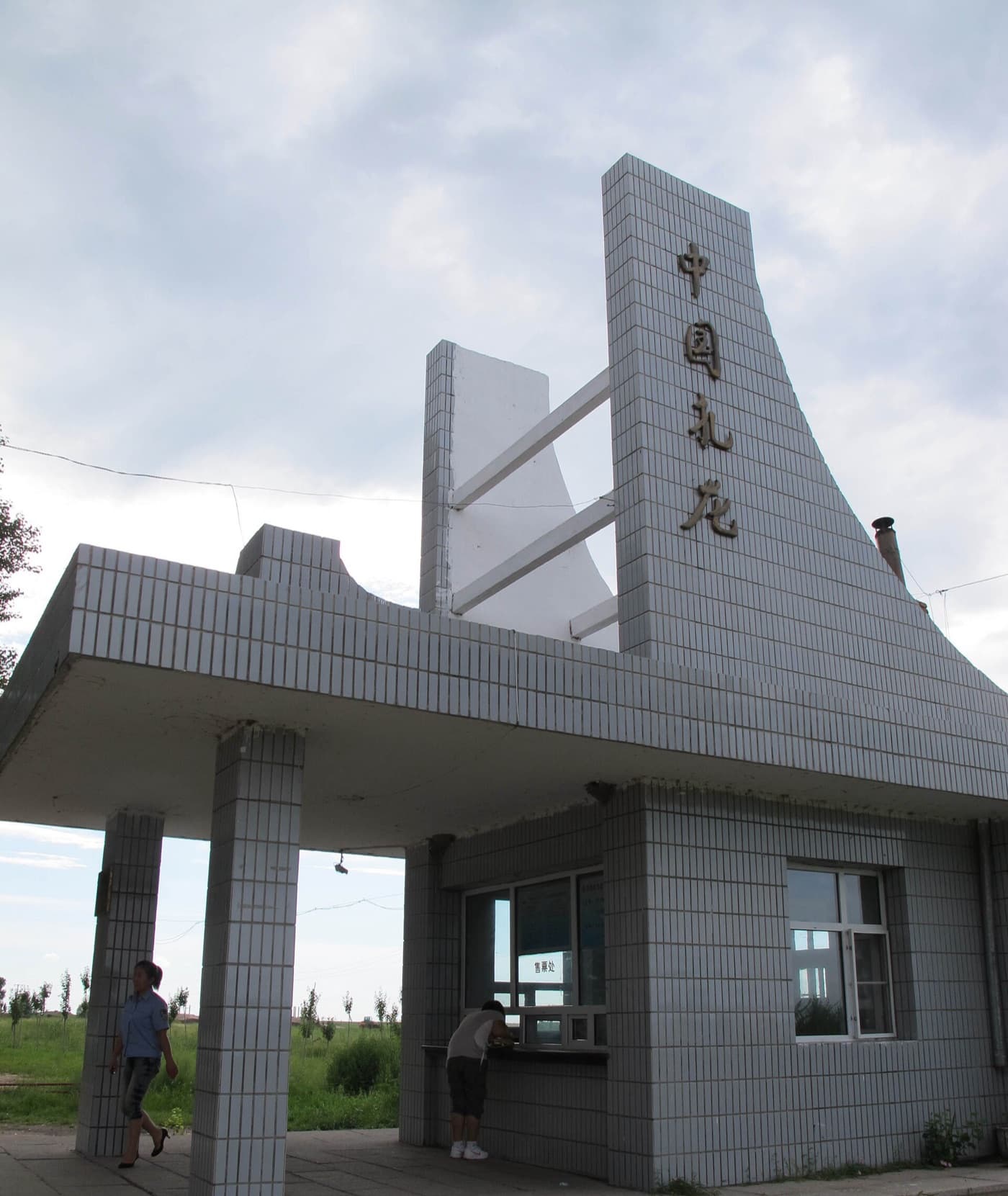
Zhalong National Nature Reserve
A national nature reserve for cranes. There are 15 species of crane in the world, 9 of them in China, and Zhalong Nature Reserve alone has 6 of them, the most numerous being the red-crowned crane. Besides being the homeland of cranes, it is no exaggeration to call it a kingdom of wild rare birds.
Wildlife
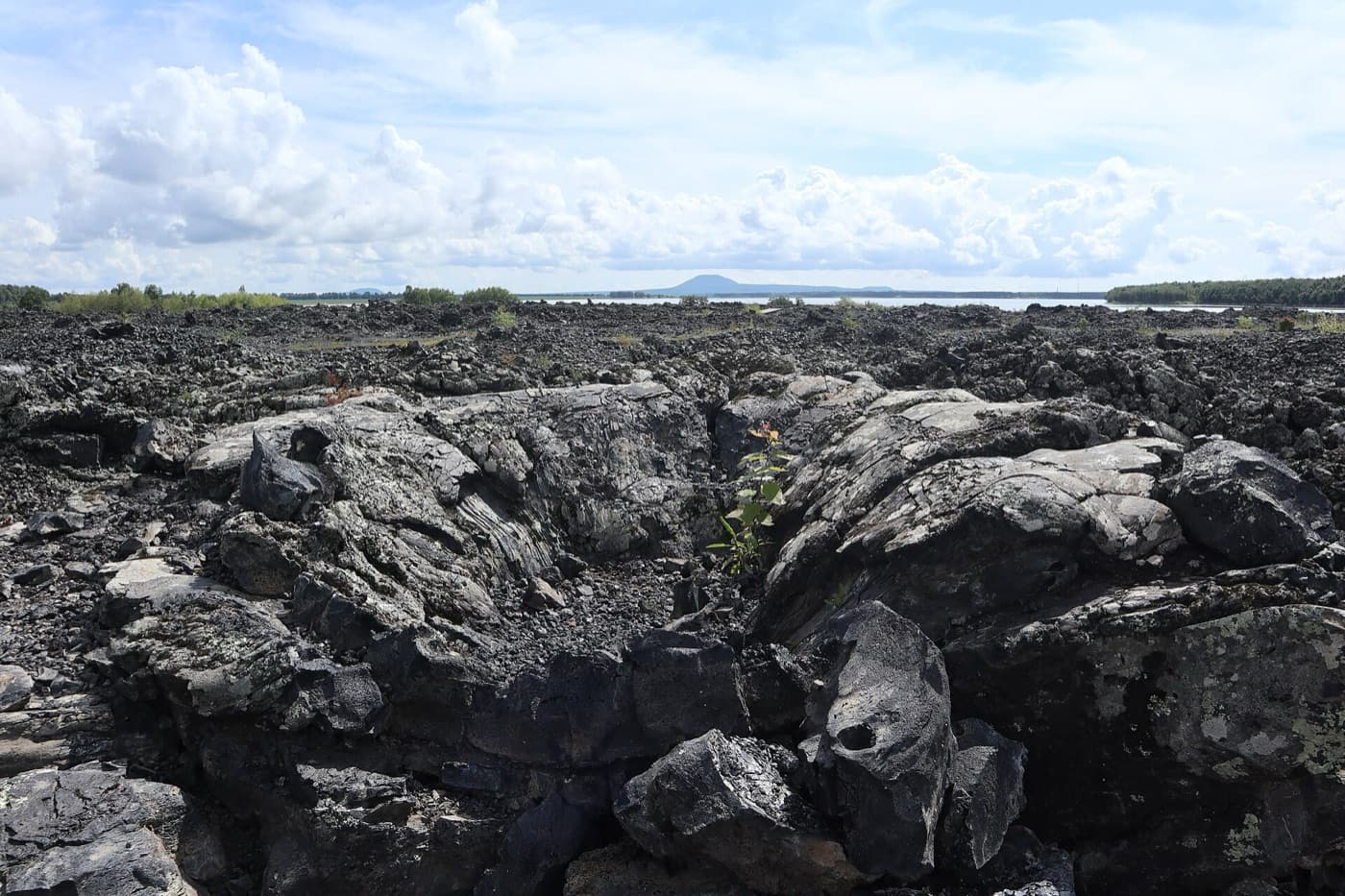
Wudalianchi Scenic Area
Wudalianchi is famed at home and abroad for its exceptionally well-preserved volcanic landscape, rare anywhere in the world, and for its mineral water. The scenic area is not well suited to winter visits: the stark black-and-white desolation offers none of the colour of spring and summer. May to September is the best time to visit. Standing at the crater of Laoheishan, the lava terrain makes you feel the wild, primordial landscape of millions of years ago. Best of all, looking down at the lake from the crater summit, the water shows shades of yellow, orange, green and blue, a colourful display produced by the different mineral content of the lava. Wonder awaits at every turn, and the lava caves are equally enchanting. On the north side of Xijiaodebu Mountain, the Crystal Palace cave will leave every visitor awestruck. When you have had your fill of scenery, you can soak in the hot springs.
1–2 days
Wuchang Snow Valley
A tranquil, unspoilt destination and a superb spot for photography, where visitors can hike from Snow Valley over Yangcao Mountain to Snow Village (Xuexiang). Snow Valley has the untouched charm of deep, ancient forest, free from any pollution sources. In spring, climb mountains and take photographs; in summer, cool off and relax; in autumn, enjoy mountaineering and adventure; in winter, experience a 10-kilometre snow-drift run.
1–2 days
Outbound Travel
Waterfront · Nature · City & Leisure
Wusu Town
Wusu Town is a famous fishing village in China and abroad, and home to China's largest chum salmon fishery. Climbing Yiliga Hilltop, you can watch the sunrise as the red sun rises from the confluence of the two rivers, with golden light spreading across the scene. The view is breathtaking.
2 hours
Taoshan International Hunting Ground
China's first international wildlife hunting ground open to foreign visitors. Temperatures are very low and snow lies for long periods, making it an excellent place for skiing.
Wildlife · Nature
Wuying National Forest Park
One of Asia's largest, most complete and most representative gateways to primeval Korean pine forest. On entering the park you will see the 'Shaoqi' train; further in, wooden boardwalks lead through forest on every side. The most worthwhile sight is Tianci Lake (天赐湖). Its surface is still as water, and in the distance stretches of pine forest are reflected beneath the blue sky, a truly exquisite scene.
0.5–1 day
Source: China Self-Guided Travel 2025 (《中国自助游》, Tianjin Science & Technology Press, Aug 2024), pp. 2149–2182. Translated from the Chinese edition; names and prices follow the guidebook. · Plain text version