Zhijiang Surrender Site of the War of Resistance Victory
It was here that the invading Japanese army received the order to surrender, and where they signed a memorandum with the Chinese representative He Yingqin.…
Zhijiang Surrender Site of the War of Resistance Victory, Huaihua
Key facts
- Admission
- Free
- Opening hours
- 8:30—16:30
- Time needed
- 2–3 hours
- Getting there
- First take a city bus from Huaihua Railway Station to Huaihua West Bus Station. From there, buses run directly to Zhijiang county town in about 1 hour; fare ¥15.
- Guidebook rating
- 3 / 5
From China Self Guided Travel 2025, page 1999. Open in Google Maps
About Zhijiang Surrender Site of the War of Resistance Victory
It was here that the invading Japanese army received the order to surrender, and where they signed a memorandum with the Chinese representative He Yingqin. The memorial includes the Surrender Memorial Archway and the Surrender Hall Exhibition Hall. The archway is a four-pillar, three-arch gate, with a plaque of Yuanzhou stone set into its top.
Frequently asked questions
How much does Zhijiang Surrender Site of the War of Resistance Victory cost?
Admission to Zhijiang Surrender Site of the War of Resistance Victory is Free, as listed in the 2025 guidebook. Prices can change; check the official channel before you go.
What are the opening hours of Zhijiang Surrender Site of the War of Resistance Victory?
Zhijiang Surrender Site of the War of Resistance Victory is open 8:30—16:30.
How do I get to Zhijiang Surrender Site of the War of Resistance Victory?
First take a city bus from Huaihua Railway Station to Huaihua West Bus Station. From there, buses run directly to Zhijiang county town in about 1 hour; fare ¥15.
How long should I spend at Zhijiang Surrender Site of the War of Resistance Victory?
Plan on 2–3 hours for Zhijiang Surrender Site of the War of Resistance Victory.
Where is Zhijiang Surrender Site of the War of Resistance Victory?
Zhijiang Surrender Site of the War of Resistance Victory is in Huaihua, Hunan Province, in the Central China of China.
More places in Huaihua
Eryou Mountain
Eryou Mountain takes its name from the confluence of the Youshui and Youxi rivers here. Its ridges rise and fall like the pages of an open book, so it is also known as Wanjuan Rock (Ten Thousand Scrolls Rock). Legend has it that when Qin Shi Huang “burned the books and buried the scholars alive”, court scholar Fu Sheng risked his life to hide bamboo slips in Eryou Cave, allowing the classics of the pre-Qin era to survive for future generations.
1–5 hours
Wanfo Mountain
Lush vegetation, fresh air and the soughing of wind through the pines make this place especially suitable for a weekend getaway. You can fish from the lakeside or pitch a tent in the woods and enjoy the relaxed freshness of nature. The scenic area has suspended walkways, including a glass walkway about 40 metres long, which thrill-seeking visitors can try.
Wanfo Mountain ¥60; Duyan Rock free admission; rafting ¥138 · 1 day
Qianyang Ancient Town
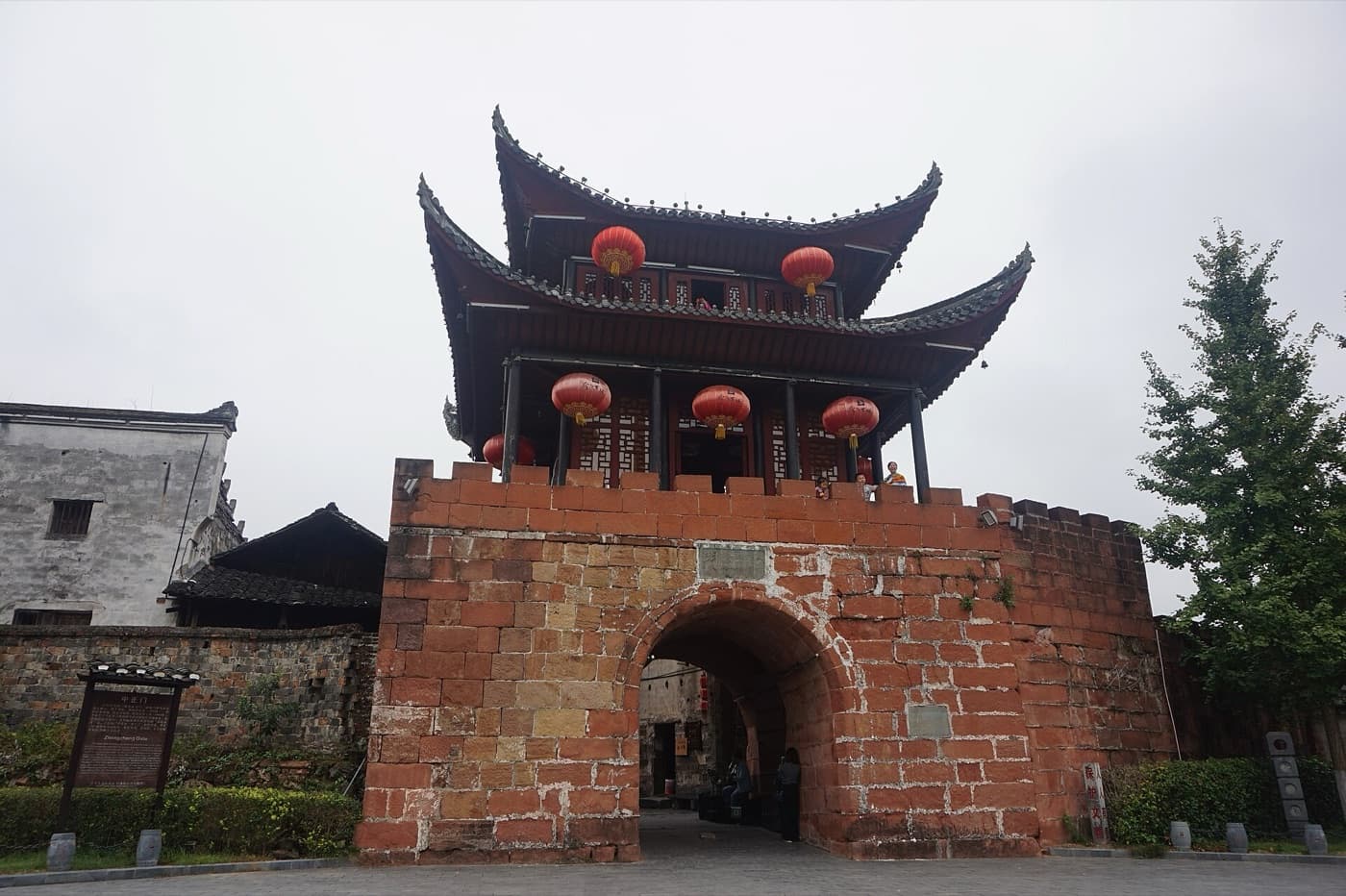
You may not know Qiancheng, but you will surely recognise the line “A heart of ice in a jade pitcher” (一片冰心在玉壶). Qiancheng was the “Longbiao” where Wang Changling was once demoted. The master of the seven-character quatrain has long since gone, but the ancient road of farewells still lies underfoot. Within the town, Hibiscus Tower (芙蓉楼), South Zhengjie Street, Chifeng Pagoda, Zhongzheng Gate, the Baoshan Academy stele and the ruins of the Confucian Temple are also worth a visit.
2–3 hours
Hongjiang Ancient Commercial City
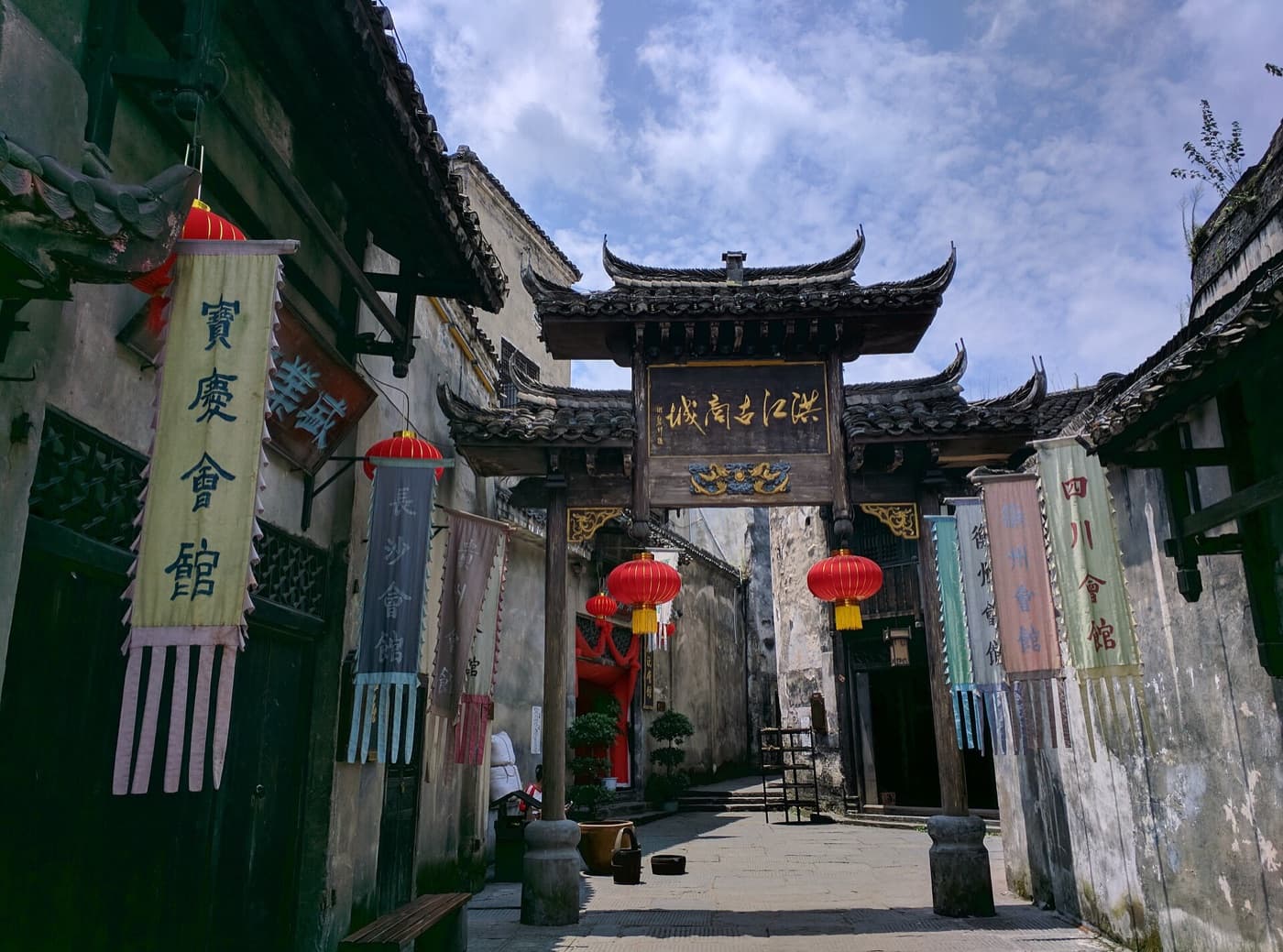
This ancient commercial city, with over 500 years of history, was long overlooked because its buildings were converted into homes. Once known as “Little Nanjing”, it has bluestone lanes winding among more than 380 well-preserved Ming and Qing buildings. Its many palaces, halls, ancestral halls and temples, over a hundred workshops and nearly a thousand shops, each with its own character, form a vivid scroll reminiscent of “Along the River During the Qingming Festival”, reflecting the full picture of Ming and Qing urban life.
Adult ¥90; child ¥45 · 1 day
Yutou Ancient Dong Village
In front of the village stand Tangping Bridge and Tangtou Bridge, built in 1881, majestic and simply dignified. Walking along a centuries-old bluestone road outside the village and looking up, you can see more than 50 stilt houses rising against the mountain in neat, close rows, a commanding sight. Among them stands a square, nine-eaved, pointed-roof drum tower built over 200 years ago. Overhanging the rock, it was constructed without a single nail or rivet, a true marvel.
¥35 · 0.5–1 day
Huangdu Dong Cultural Village
Located in the heart of the “Hundred-Mile Dong Culture Corridor”, the village is made up of the Head Village, Pan Village, Tail Village and New Village. Huangdu is one of the best-preserved Dong villages, with more than 500 stilt houses forming a majestic cluster.
¥45 · 2–3 hours