Tai O
Far from the bustle of the city, this fishing village has been less affected by urbanisation and still preserves the appearance of Hong Kong's early fishing villages.…
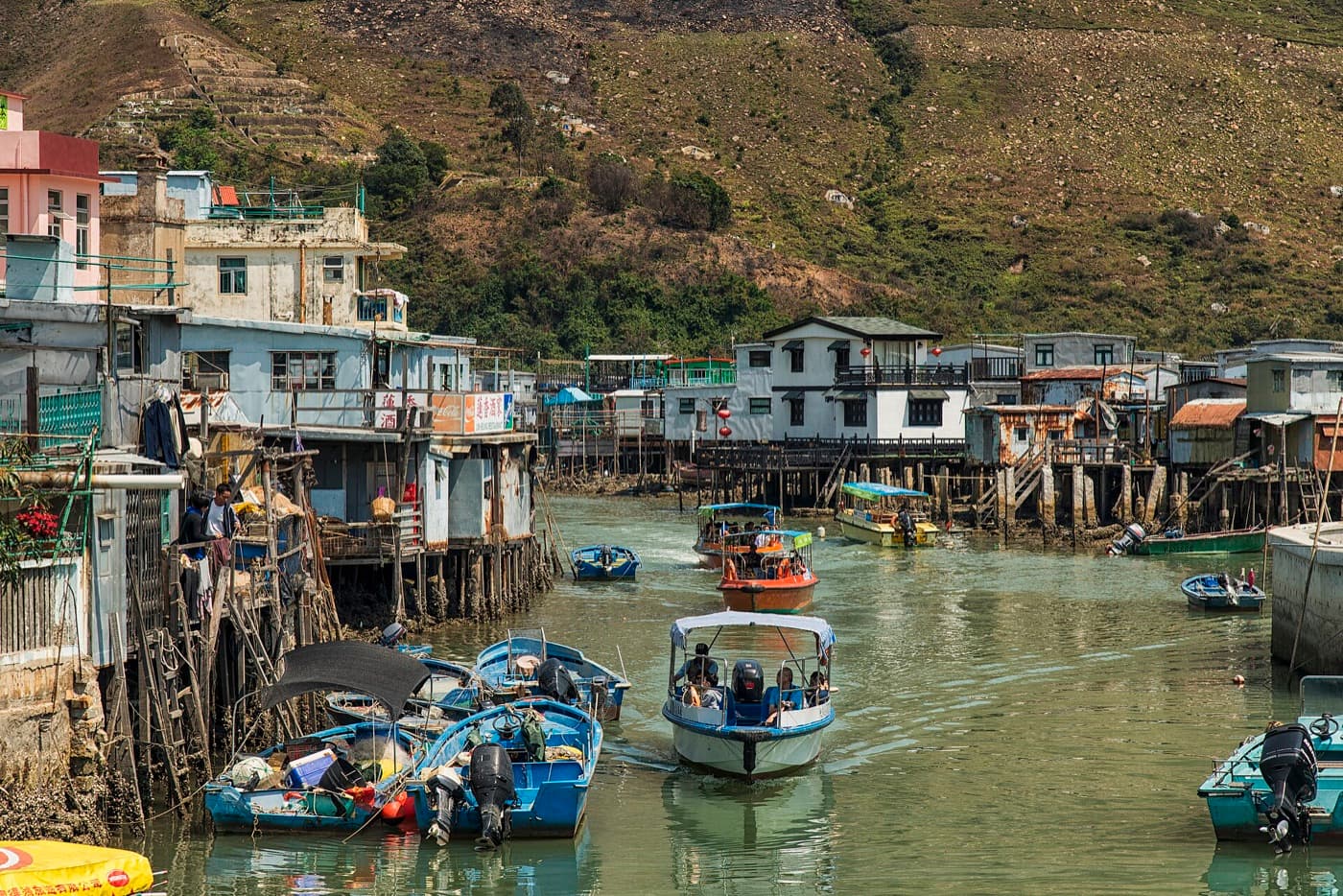
Tai O, Hong Kong · chensiyuan · CC BY-SA 4.0 · Wikimedia Commons
Key facts
- Admission
- Free
- Opening hours
- All day
- Time needed
- 0.5 day
- Getting there
- 1. Take the MTR Tung Chung Line to Tung Chung Station, then transfer to New Lantau Bus route 11 to Tai O Bus Terminus 2. Take the ferry from Central Pier 5 to Mui Wo, then transfer to Lantau Bus route 1 to Tai O Bus Terminus
- Guidebook rating
- 4 / 5
From China Self Guided Travel 2025, page 2608. Open in Google Maps
About Tai O
Far from the bustle of the city, this fishing village has been less affected by urbanisation and still preserves the appearance of Hong Kong's early fishing villages. Criss-crossing waterways and stilt houses over the water create a distinctive waterside atmosphere and fishing-village scenery, earning it the nickname "Venice of Hong Kong". Tai O's restaurants use authentic, fresh ingredients to prepare exquisite small dishes full of flavour.
Frequently asked questions
How much does Tai O cost?
Admission to Tai O is Free, as listed in the 2025 guidebook. Prices can change; check the official channel before you go.
What are the opening hours of Tai O?
Tai O is open All day.
How do I get to Tai O?
1. Take the MTR Tung Chung Line to Tung Chung Station, then transfer to New Lantau Bus route 11 to Tai O Bus Terminus 2. Take the ferry from Central Pier 5 to Mui Wo, then transfer to Lantau Bus route 1 to Tai O Bus Terminus
How long should I spend at Tai O?
Plan on 0.5 day for Tai O.
Where is Tai O?
Tai O is in Hong Kong, Hong Kong Special Administrative Region, in the South China of China.
More places in Hong Kong
Temple Street
Temple Street, in Yau Ma Tei, Kowloon, is one of Hong Kong's most distinctive streets. The film Temple Street Queen portrays the warmth and hardships of the people of Temple Street through a unique cinematic lens. If you want to experience the bustling, down-to-earth life of Hong Kong's people, Temple Street is an absolute must-visit.
Free · 1 day
Causeway Bay
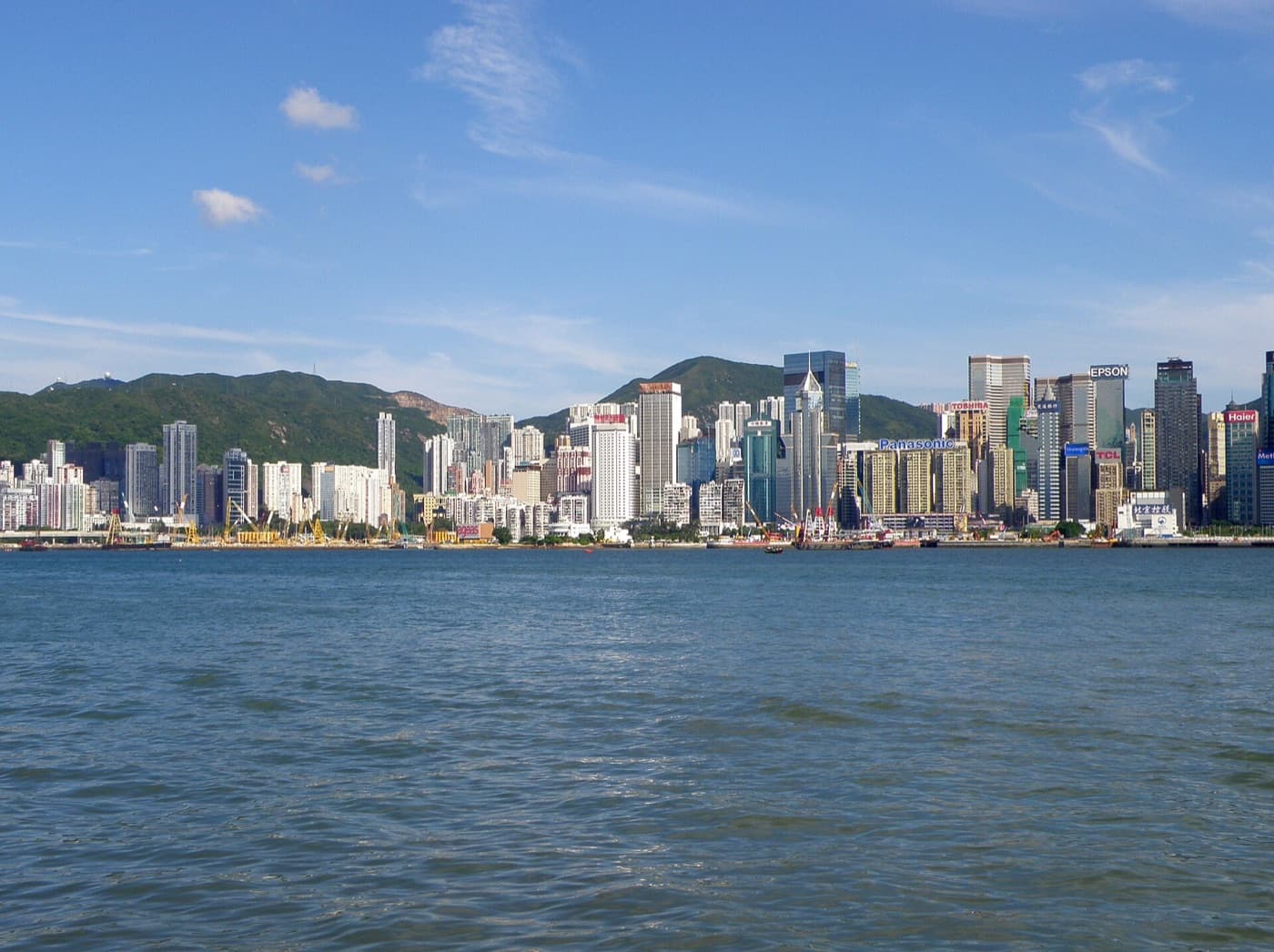
Causeway Bay is one of Hong Kong's main commercial districts, located in the north of Hong Kong Island. It is a hub for large shopping centres such as World Trade Centre, Lee Theatre Plaza and Times Square. Causeway Bay is also a renowned food destination with an enormous range of cuisine. In addition, it is home to many Japanese department stores, giving it a distinctive character.
Free · 1–3 days
Tsim Sha Tsui
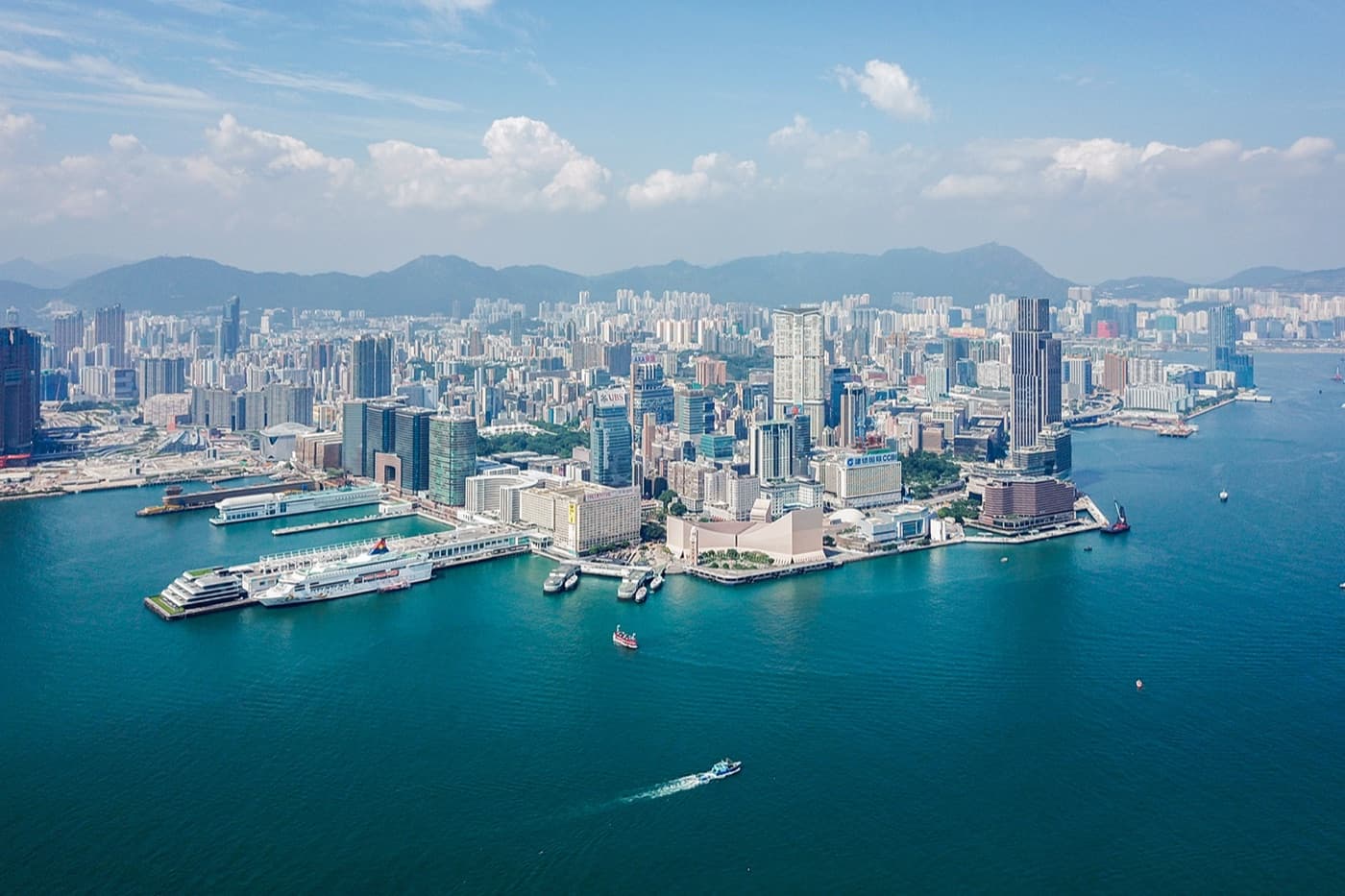
Located on the Kowloon side of Hong Kong, Tsim Sha Tsui is one of the city's most prosperous areas for tourism and commerce. Tsim Sha Tsui, and especially its eastern part (the Tsim Sha Tsui East business district), is a treasure trove of shopping malls and shops. Beyond luxurious shopping centres, quirky independent boutiques are also hugely popular with young people. Tsim Sha Tsui's dining and bar scene is equally lively, and is loved by young Hongkongers and visitors alike.
Free · 0.5-1 day
Mong Kok
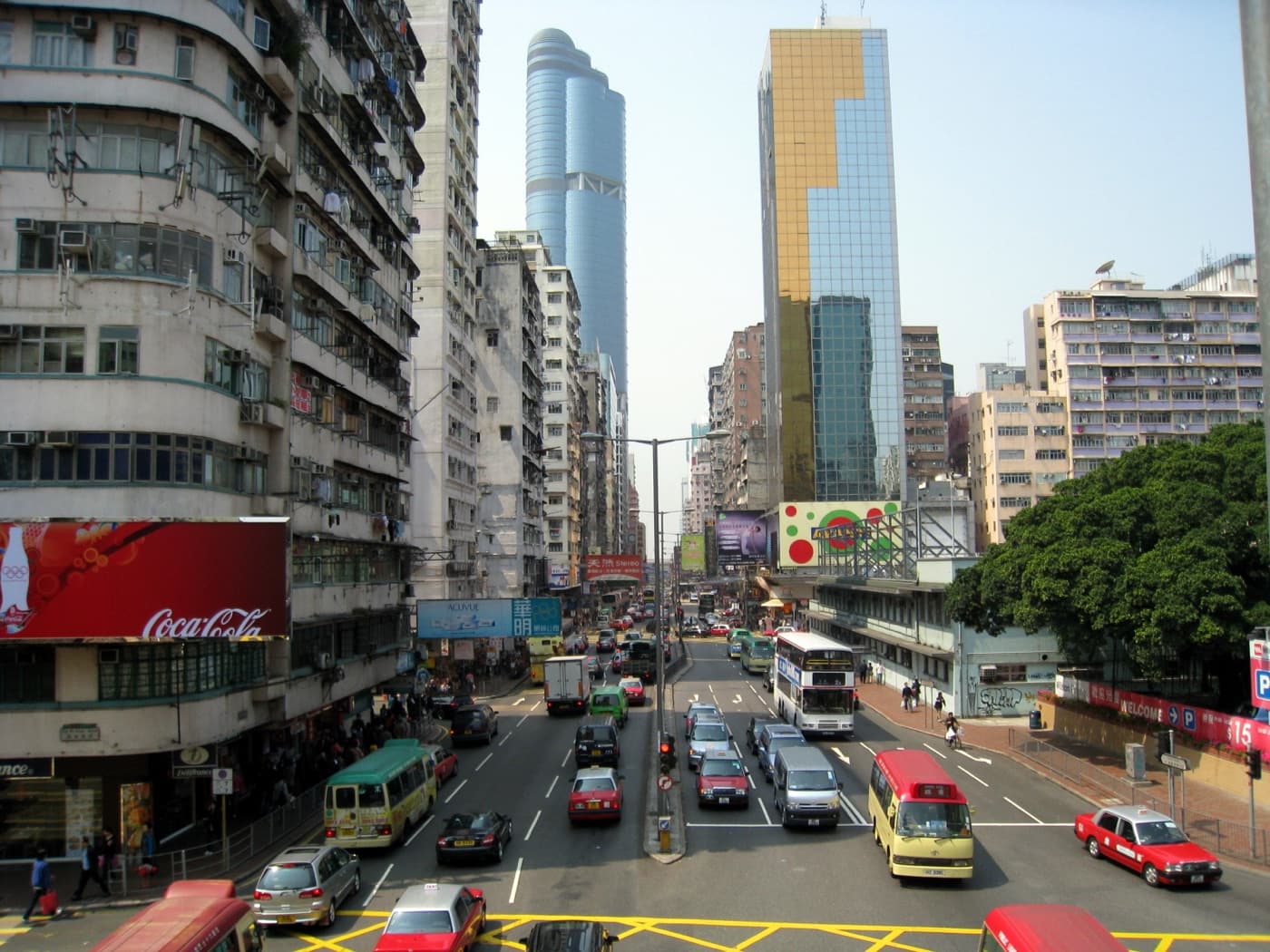
Mong Kok, in the central part of the Kowloon Peninsula, is one of Hong Kong's busiest districts and one of the most densely populated areas in the world. Walking its streets, you can feel the city's pulse that never sleeps. It is a lively hotspot that no visitor to Hong Kong should miss.
Free · 3-5 hours
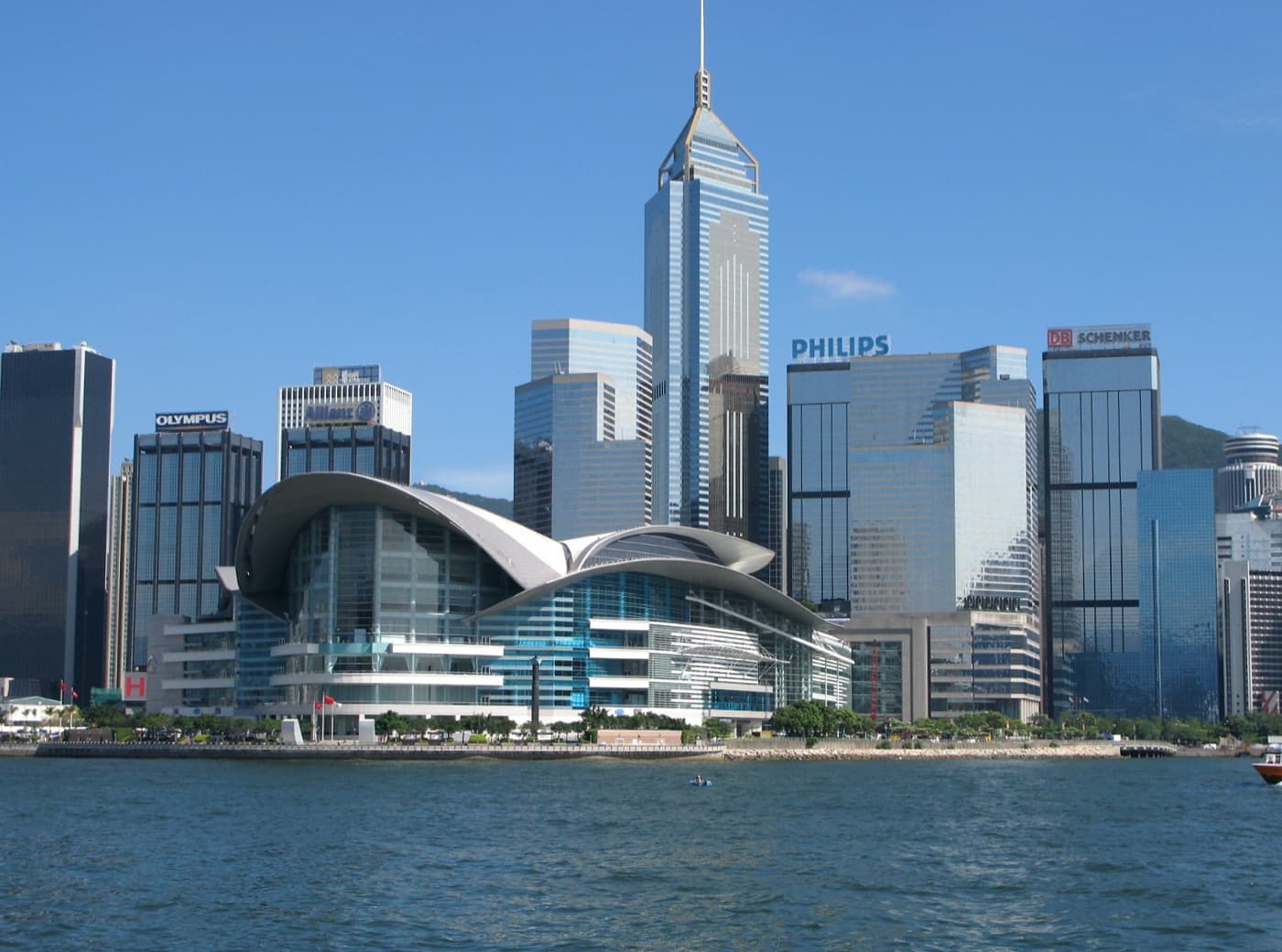
Hong Kong Convention and Exhibition Centre
Hong Kong's handover ceremony in 1997 was held here. The buildings around the centre extend out into Victoria Harbour, creating a waterfront promenade garden. Visitors can enjoy night views of the whole of Hong Kong Island and the Kowloon Peninsula, making it a pleasant place for a stroll.
Free · 0.5–3 hours
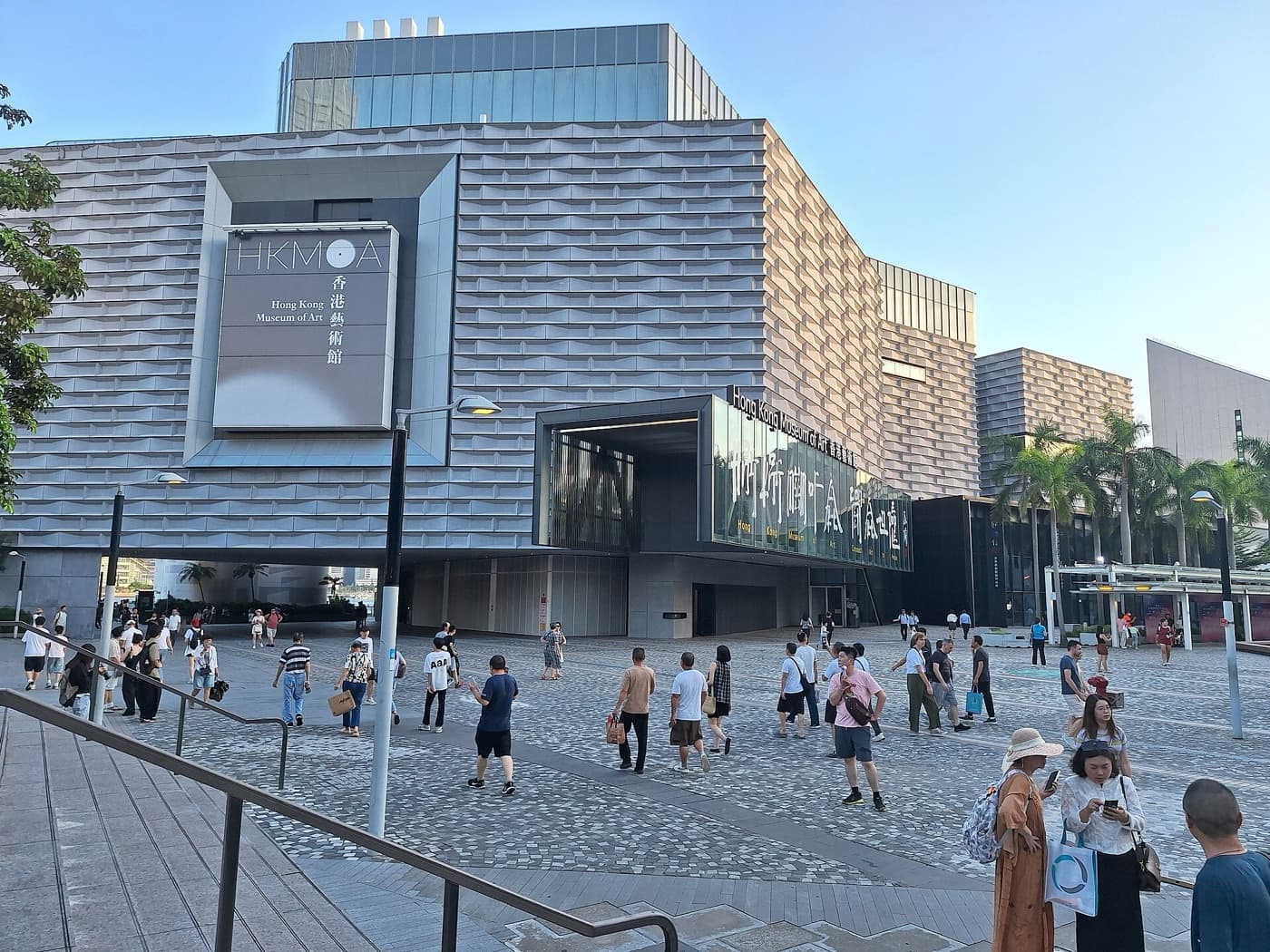
Hong Kong Museum of Art
The Hong Kong Museum of Art, whose predecessor was the Hong Kong Museum of Fine Arts, was founded in 1962. Its rich collection comes mainly from acquisitions and generous donations. It spans many categories, from treasures of traditional Chinese painting and calligraphy and fine ancient artefacts to historically significant images and outstanding works by contemporary Hong Kong artists.
Admission requires a museum pass: family pass HK$100, individual pass HK$50 · 1–3 hours