Qixingtan Scenic Area
Qixingtan Scenic Area lies to the northeast of Hualien and is renowned for its graceful arc-shaped bay and pleasant natural scenery. Bicycle lanes are the main way of getting around,…
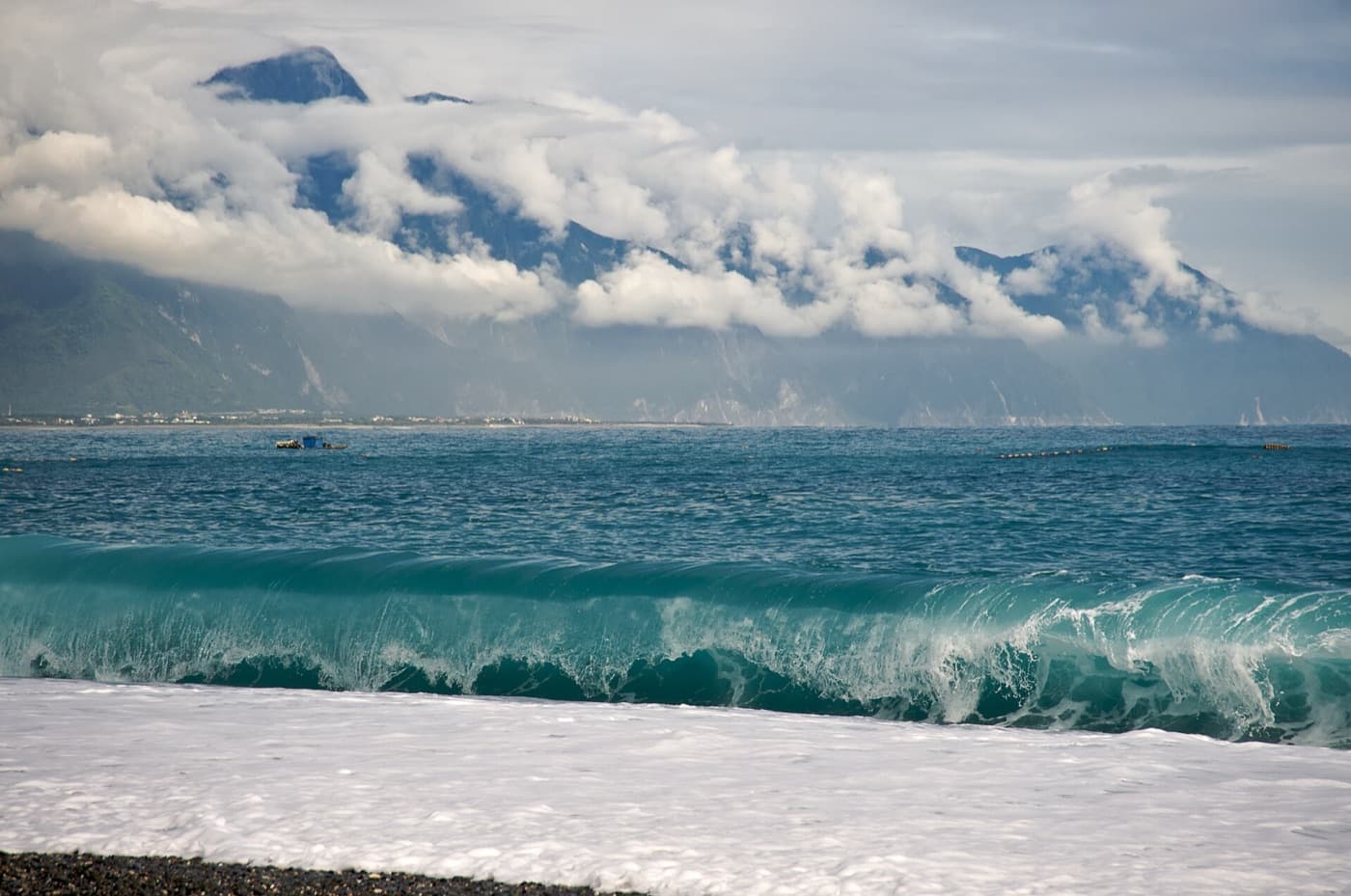
Qixingtan Scenic Area, Eastern Taiwan · Fred Hsu (Wikipedia:User:Fred Hsu on en.wikipedia) · CC BY-SA 3.0 · Wikimedia Commons
Key facts
- Time needed
- 1–2 hours
- Getting there
- Take the Taiwan Railway and get off at Beipu Station (北埔站); the scenic area is a short walk away
- Guidebook rating
- 4 / 5
From China Self Guided Travel 2025, page 2727. Open in Google Maps
About Qixingtan Scenic Area
Qixingtan Scenic Area lies to the northeast of Hualien and is renowned for its graceful arc-shaped bay and pleasant natural scenery. Bicycle lanes are the main way of getting around, and many attractions line the route, including the Stone Sculpture Park, the Stargazing Plaza and the Sunrise Tower. In the evening, you can also enjoy views of the lights of Hualien's Xincheng district.
Frequently asked questions
How do I get to Qixingtan Scenic Area?
Take the Taiwan Railway and get off at Beipu Station (北埔站); the scenic area is a short walk away
How long should I spend at Qixingtan Scenic Area?
Plan on 1–2 hours for Qixingtan Scenic Area.
Where is Qixingtan Scenic Area?
Qixingtan Scenic Area is in Eastern Taiwan, Taiwan Region, in the South China of China.
More places in Eastern Taiwan
Green Island
Green Island is famous across Taiwan not only because of the song "Green Island Serenade," but mainly because the island boasts Chaori Hot Spring, one of the world's three major undersea hot springs, along with Green Island Lighthouse, Hagou Rock, Sleeping Beauty Rock and other scenic sights. The island also has a diving service station that provides diving equipment, so you can go diving here.
1–2 days
Taroko National Park
Taroko National Park spans Hualien, Nantou and Taichung. Established in 1986, it is the second-largest park in Taiwan. It is impossible not to marvel at the awe-inspiring artistry of nature in such a magical place, where the mountain roads are steep and the scenery is simply unmatched.
0.5–1 day
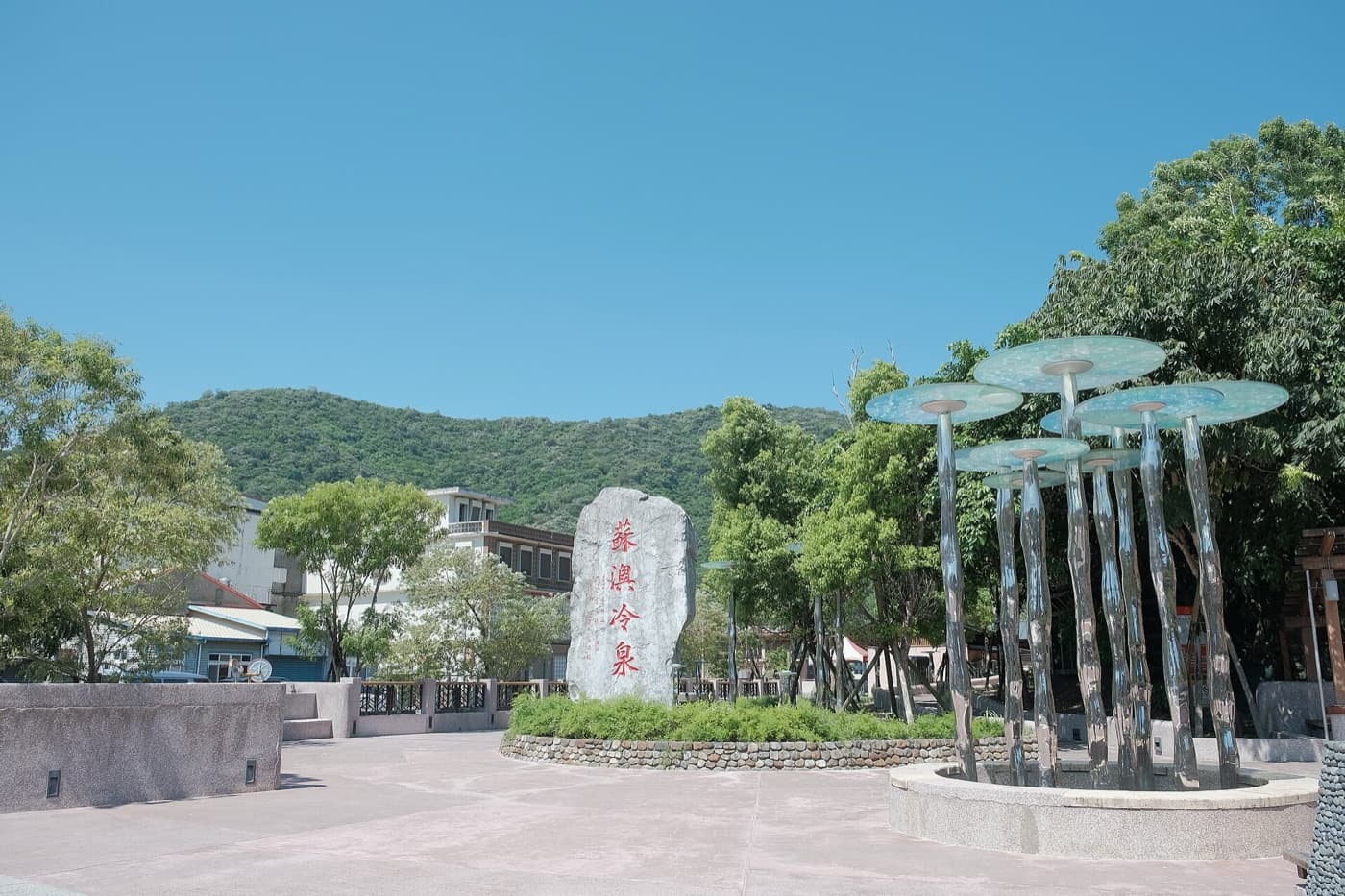
Su'ao Cold Spring
Su'ao Cold Spring and Jiaosi Hot Spring are known as the two natural treasures hidden underground on the Lanyang Plain. Su'ao Cold Spring is a "low-temperature mineral spring" with a temperature below 22°C. Its water is clear and transparent, and it is a carbonated spring that can be both bathed in and drunk. When you first step into the pool, it feels rather cold, but within five minutes your whole body begins to warm up. Bubbles constantly rise from the bottom of the pool, so it feels as if you are soaking in soda water, which is quite unique. It is said that regular soaking in Su'ao Cold Spring can improve skin conditions, and long-term drinking of the water is believed to help with stomach and liver ailments.
Cold spring NT$200; cold spring + hot spring NT$300 · 1–2 hours
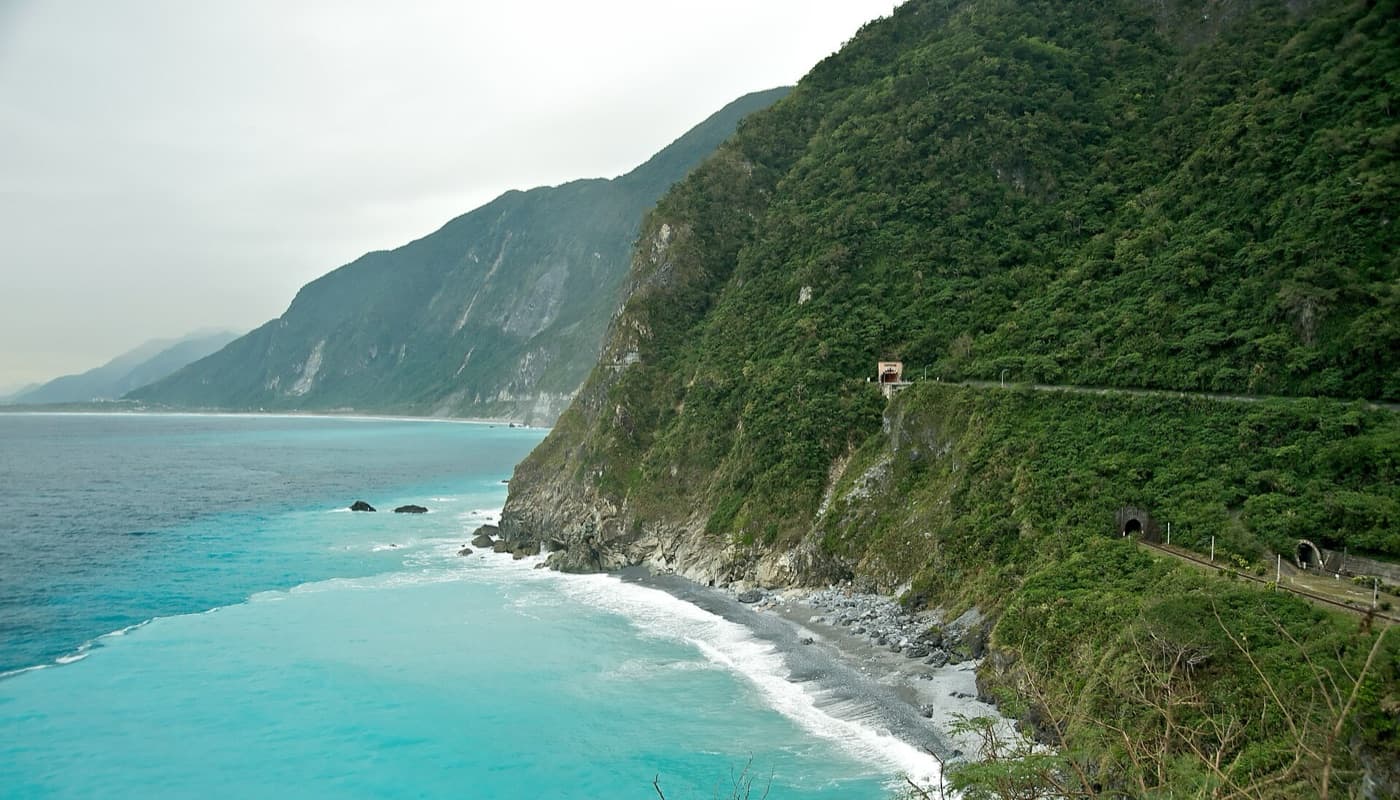
Qingshui Cliff
Qingshui Cliff lies in the northern part of Hualien County and is one of Taiwan's Eight Scenic Wonders. The Suhua Highway (苏花公路), which connects Yilan and Hualien, was built along this fault coastline. As you drive along the road, you gaze up at towering cliffs and steep mountains, and look down at waves crashing onto the shore and the vast sea. The grandeur and beauty of nature here leave visitors reluctant to leave.
0.5–1 hour
Ruisui Ranch
Ruisui Ranch lies within the Wuhe Scenic Area. The scenery is bright and charming, the water sources are clean, and the air is fresh, making it an ideal place for family trips. At the dairy cow farm, you can stroke the cows' heads and feed them some fodder. Grass is sold on site at NT$20 per bundle. At the shop, you can taste fresh milk that is milked and brewed every day, as well as warm, fragrant milk steamed buns and original-flavour milk nougat.
Free · 1–3 hours
Taiwan Traditional Arts Center
The Taiwan Traditional Arts Center was jointly designed by several architects, presenting Taiwan's traditional architecture in an exquisite way. Highlights include the Theatre Hall, the Quyi Hall, the Library, the Craft Workshop, the Mu-Tzu Kiln, the Folk Lane, the Accommodation Center, the Wenchang Shrine, the stage, and the Former Residence of Huang Juren, each with its own distinct character.
1–3 hours