Qibao Ancient Town
Located in southwest Shanghai, Qibao is famously described as “ten years to see Pudong, a hundred years to see the Bund, a thousand years to see Qibao.” Its scenery is picturesque,…
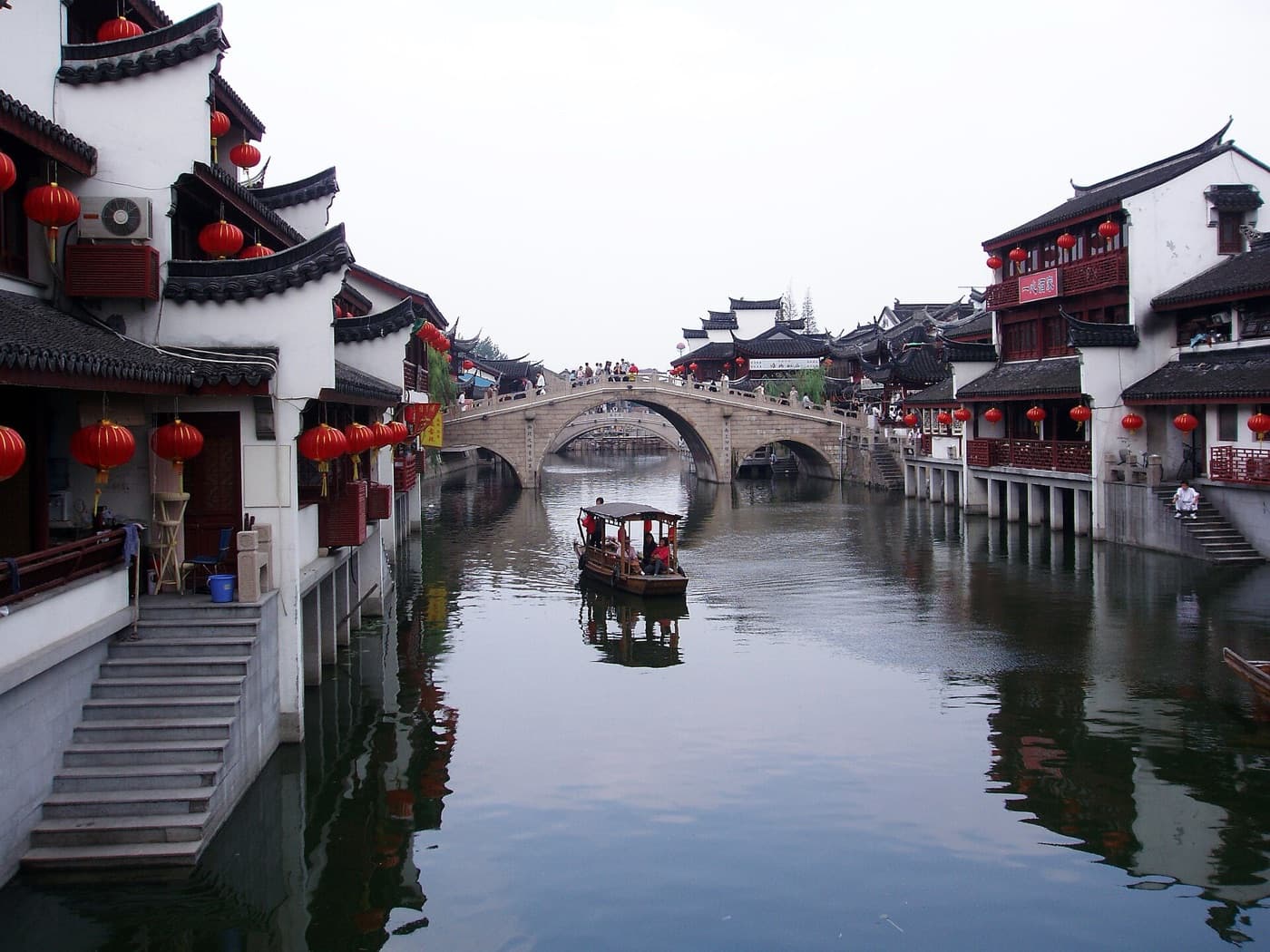
Qibao Ancient Town, Shanghai · Taken by Fanghong · CC BY 2.5 · Wikimedia Commons
Key facts
- Admission
- Free
- Getting there
- Near Qibao (bus stop) and Qibao (metro station)
- Guidebook rating
- 3 / 5
From China Self Guided Travel 2025, page 990. Open in Google Maps
About Qibao Ancient Town
Located in southwest Shanghai, Qibao is famously described as “ten years to see Pudong, a hundred years to see the Bund, a thousand years to see Qibao.” Its scenery is picturesque, and it is the ancient town closest to central Shanghai. Qibao Old Street, in Minhang District, is lined with a wide variety of local snacks and historic buildings with classic charm.
Frequently asked questions
How much does Qibao Ancient Town cost?
Admission to Qibao Ancient Town is Free, as listed in the 2025 guidebook. Prices can change; check the official channel before you go.
How do I get to Qibao Ancient Town?
Near Qibao (bus stop) and Qibao (metro station)
Where is Qibao Ancient Town?
Qibao Ancient Town is in Shanghai, Shanghai Municipality, in the East China of China.
More places in Shanghai

Jiading Ancient Town
This ancient town, with over 780 years of history, still preserves pagodas, temples, monasteries and old trees. Most visitors come for Zhouqiao Old Street. Lying on the same central axis as the Fahua Pagoda, about 500 meters from it, are the Confucian Temple, Huilong Pool and Yingkui Hill, another distinctive scenic area beside Zhouqiao Old Street. The Confucian Temple in particular is considered the number one in Wuzhong.

Zhujiajiao Ancient Town
The best-preserved Jiangnan water town near Shanghai. Its waterside townscape, thousand-year history, historic sites and cultural charm define Zhujiajiao. It has less commercial bustle than many other towns, so it feels fresh and relaxed.
Free; folk customs tour ¥30; New Water Town heritage tour ¥60

Old City God Temple
A crash course in old Shanghai folk culture. The Old City God Temple has long been like a grand temple fair that never ends. Whatever you might look for at other temple fairs, you'll find here, with its snacks and distinctive handicrafts the most famous of all. The Old City God Temple was built during the Yongle era of the Ming dynasty. Historically, the temple was repeatedly destroyed and rebuilt. The current temple was built in 1926 and rebuilt on a large scale in the 1990s, becoming a large, antique-style architectural complex and commercial district. The renovated old temple may have lost some of the atmosphere of the old city district, yet visitors still flock here, a testament to its enduring charm. The saying “Gold from the Old Temple brings you good luck” is known far and wide.
Free · 1–3 hours

Shanghai Museum
Its collection and architecture are truly first-class. Focusing on ancient Chinese art, its collection, exhibitions and research aim to present the complete development history of each artistic category. Its system, richness and quality are highly renowned at home and abroad. Moved here in 1995, the museum has a distinctive design that follows the traditional Chinese concept of 'round heaven, square earth'. Its overall form resembles a dignified ancient bronze vessel. The Shanghai Museum holds half of China's ancient art treasures, and its galleries have no showy gimmicks, yet they will leave visitors astonished by China's history.
Free admission, though some special exhibitions require tickets, with prices varying · 3+ hours
Fengjing Ancient Town
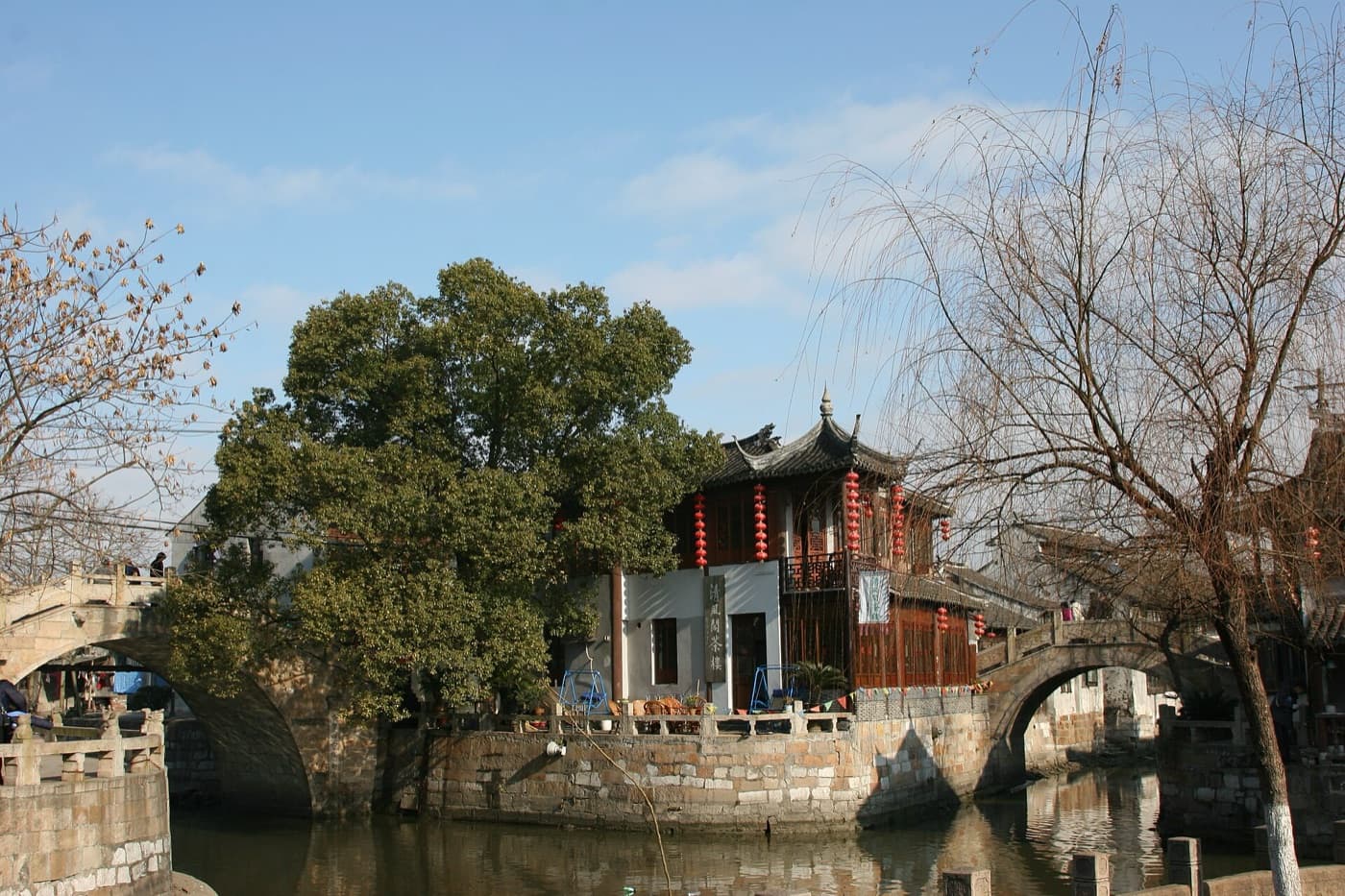
Fengjing Ancient Town is surrounded by a network of waterways, and its streets are crisscrossed by canals and bridges. It is known as “three steps, two bridges; one gaze, ten creeks.” In Zhonghong Village of Fengjing Town, you can see the birthplace of Jinshan farmers’ painting and watch villagers painting and mounting artworks in their homes.
¥50
Xinchang Ancient Town
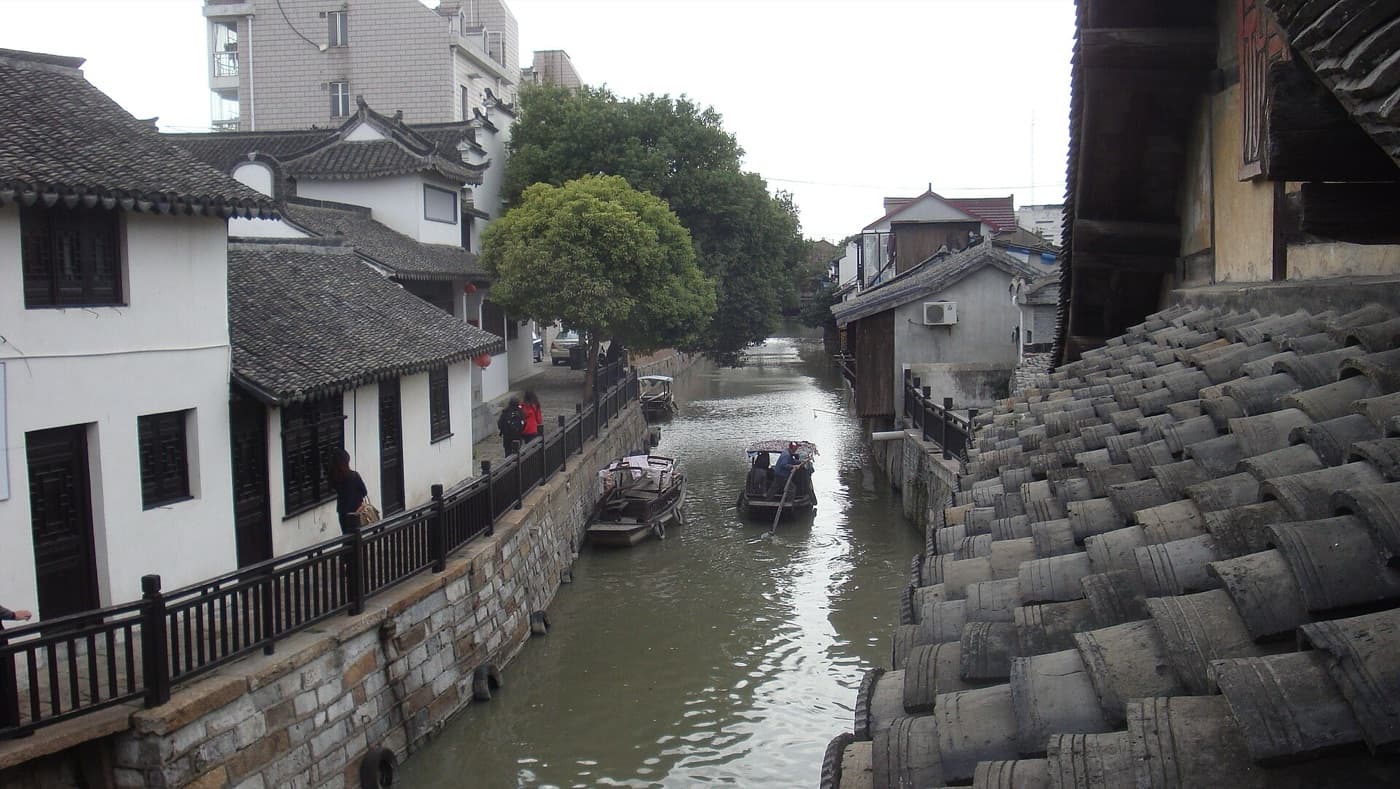
Xinchang Ancient Town rose to fame as a filming location for Lust, Caution and Ip Man. It is the last authentic ancient town within the Shanghai municipal area. Its two main highlights are the memorial archways and the arched bridges. Most of the residences blend Chinese and Western styles and date from the late Qing and early Republican periods. The Folk Crafts Street is home to nearly a hundred traditional handicrafts, with master artisans and distinctive, exceptional skills.