Palace Museum (Forbidden City)
Pass through the Tiananmen Gate archway and walk north along the brick-paved road, and you will be awed by a vast, towering complex of buildings. Yes, you are entering the former Forbidden City.…

Palace Museum (Forbidden City), Beijing · AI illustration for China Trip
Key facts
- Admission
- Peak season ¥60; off-season ¥40; Treasure Gallery ¥10; Clock Gallery ¥10
- Opening hours
- 8:30–16:30 (off-season); 8:30–17:00 (peak season). Closed on Mondays. Entry stops 50 minutes before closing
- Time needed
- 3–6 hours
- Getting there
- Near Tiananmen Square West (bus stop), Tiananmen Square East (bus stop), Tiananmen East (subway station)
- Guidebook rating
- 5 / 5
From China Self Guided Travel 2025, page 1617. Open in Google Maps
About Palace Museum (Forbidden City)
Pass through the Tiananmen Gate archway and walk north along the brick-paved road, and you will be awed by a vast, towering complex of buildings. Yes, you are entering the former Forbidden City.
The Forbidden City is the largest and best-preserved palace complex in the world. It measures 753 metres from east to west and 961 metres from north to south, covering 720,000 square metres, with 9,999½ rooms in total. Twenty-four emperors lived here. Together with Versailles, Buckingham Palace, the White House and the Kremlin, it is counted among the world's five great palaces.
The palaces of the Forbidden City are arranged along a north–south central axis and extend outward to either side, with a straight north–south alignment and strict bilateral symmetry. The rigorous symmetry of its architecture creates an unwavering sense of authority and a distinctive rhythm that cannot be imitated.
The Forbidden City can broadly be divided into two parts. The south was the zone of political activity, known as the Outer Court, while the north was the living quarters, known as the Inner Court. The three great halls of the Outer Court, the Hall of Supreme Harmony, the Hall of Central Harmony and the Hall of Preserving Harmony, are the most captivating buildings in the Forbidden City. The Inner Court was where the emperor conducted daily affairs and where he and his consorts lived.
The Palace Museum houses precious artworks from China's many dynasties, numbering in the millions by some counts and accounting for more than one-sixth of the nation's total cultural relics, many of them unique national treasures. Pausing before these dazzling treasures, you can still sense the opulence of imperial life and the weathered sense of history it has left behind.
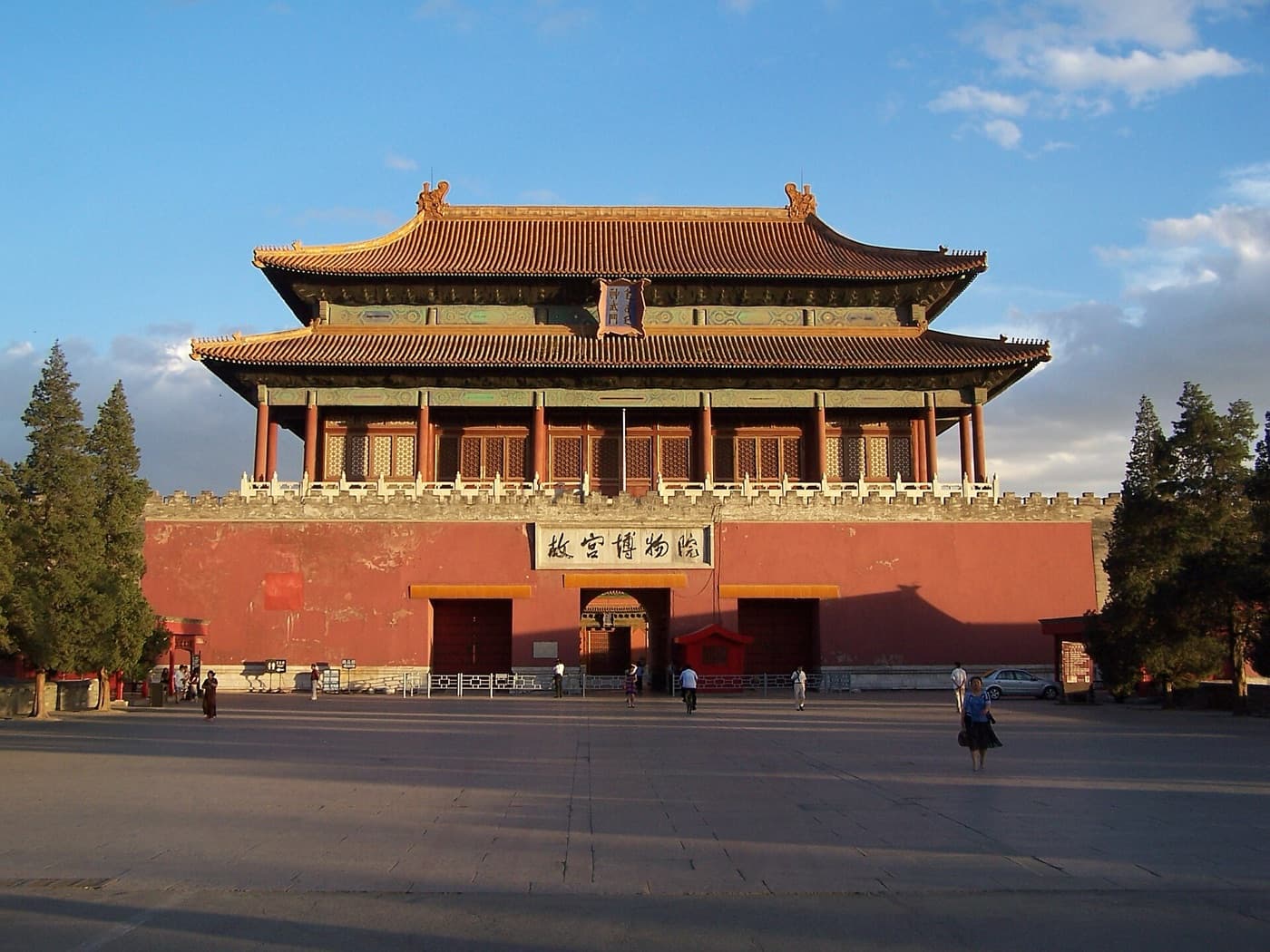
Tips from the guidebook
- Grandeur and Refinement
- Touring the Forbidden City is first and foremost about experiencing its vast, commanding presence, but take time to appreciate its architectural artistry as well. The buildings are constructed of timber frames with yellow glazed-tile roofs and white marble-and-stone bases, decorated with gilded, brilliantly coloured paintwork. Both the materials and the construction techniques are exceptionally refined.
Frequently asked questions
How much does Palace Museum (Forbidden City) cost?
Admission to Palace Museum (Forbidden City) is Peak season ¥60; off-season ¥40; Treasure Gallery ¥10; Clock Gallery ¥10, as listed in the 2025 guidebook. Prices can change; check the official channel before you go.
What are the opening hours of Palace Museum (Forbidden City)?
Palace Museum (Forbidden City) is open 8:30–16:30 (off-season); 8:30–17:00 (peak season). Closed on Mondays. Entry stops 50 minutes before closing.
How do I get to Palace Museum (Forbidden City)?
Near Tiananmen Square West (bus stop), Tiananmen Square East (bus stop), Tiananmen East (subway station)
How long should I spend at Palace Museum (Forbidden City)?
Plan on 3–6 hours for Palace Museum (Forbidden City).
Where is Palace Museum (Forbidden City)?
Palace Museum (Forbidden City) is in Beijing, Beijing Municipality, in the North China of China.
More places in Beijing

Tiananmen Square
If you have only a short stop in Beijing, and it may be your only visit in life, then go to Tiananmen! Tiananmen Square is the largest city-centre square in the world and a symbol of Beijing and of China as a whole. It measures 880 metres from north to south and 500 metres from east to west, covering 440,000 square metres. The Tiananmen Gate Tower stands at the northern end of the square, the Five-Star Red Flag flies high above it, and the Monument to the People's Heroes rises at the centre. The Great Hall of the People and the National Museum of China face each other across the east and west sides, while the Mausoleum of Mao Zedong and the Zhengyangmen Gate Tower stand at the southern end. Nearly every visitor to Beijing includes Tiananmen Square on their itinerary, and it is also a place where locals relax. Skateboarding teens often appear here, and kite flying is a spectacle in itself.
1–3 hours

Beijing Olympic Park

Summer Palace

Siheyuan and Hutong Tours
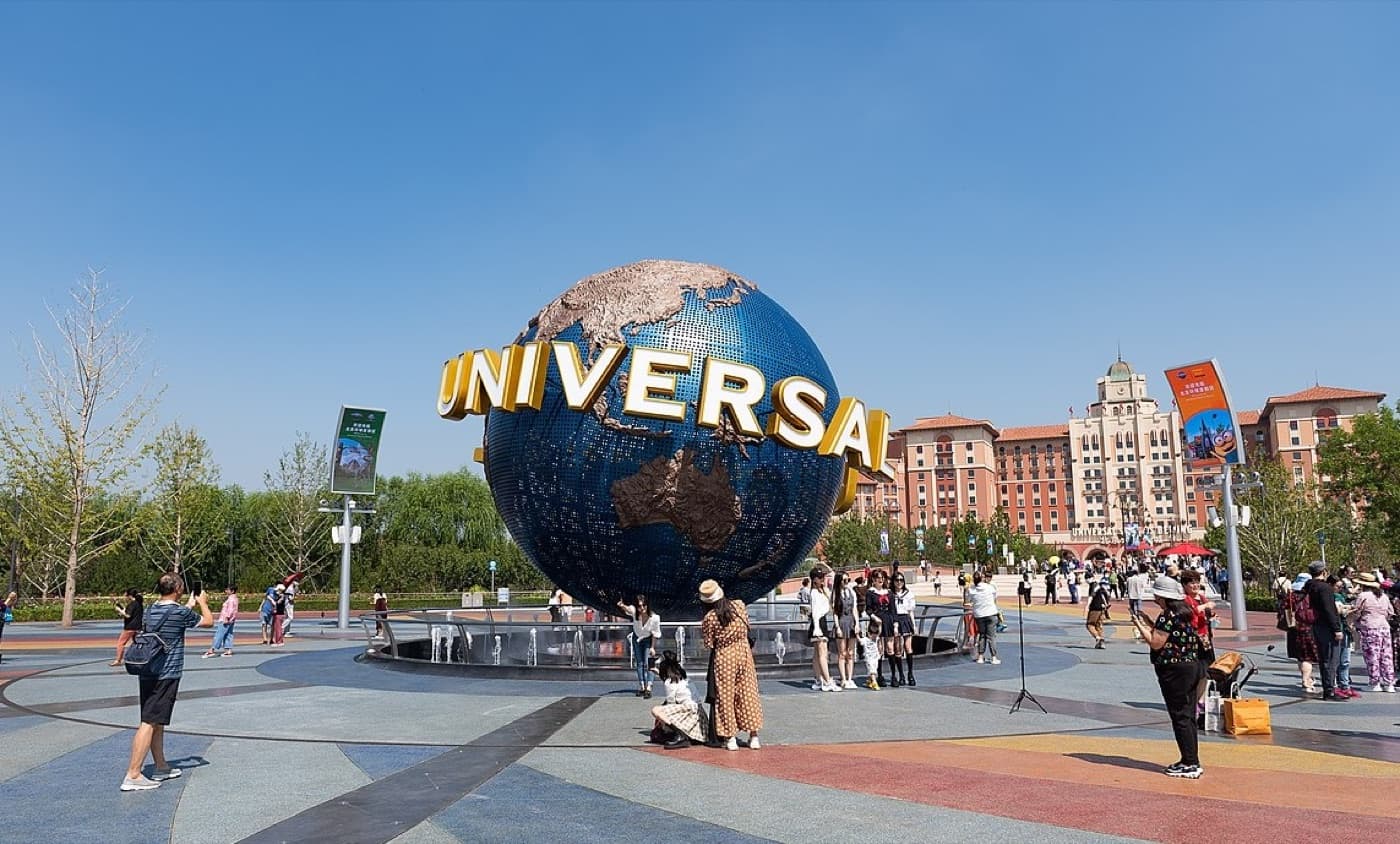
Universal Beijing Resort
