Mount Dola
What makes Mount Dola mysterious is that the limestone covering the mountain is carved with Buddha images and six-syllable mantras.…
Mount Dola, Qamdo
Key facts
- Time needed
- 1 hour
- Guidebook rating
- 3 / 5
From China Self Guided Travel 2025, page 616. Open in Google Maps
About Mount Dola
What makes Mount Dola mysterious is that the limestone covering the mountain is carved with Buddha images and six-syllable mantras. The sacred mountain is not very large and is traditionally divided into outer, middle and inner circuits. Climbing the main peak gives a bird's-eye view of the whole of Mount Dola. Walking the inner circuit takes no more than two hours. This is the core of the mountain and its main point of interest, where along the way you can pay respects to and admire Padmasambhava-centred Buddha images, stupas, six-syllable mantras and Tibetan prayer texts.
Frequently asked questions
How long should I spend at Mount Dola?
Plan on 1 hour for Mount Dola.
Where is Mount Dola?
Mount Dola is in Qamdo, Tibet Autonomous Region, in the Southwest of China. On the Sichuan-Tibet Highway, 63 km east of Baima Town, Bayi County
More places in Qamdo

Ranwu Lake Scenic Area
Ranwu Lake is about 25 km long and 12 km wide. The lake forms a long, narrow valley shaped like a river gorge, made up of three interconnected lakes, with a total area of 18.4 square kilometres. The lake surface sits at an altitude of over 3,800 metres. To the north of Ranwu Lake lies the famous Laigu Glacier, which extends down to the lakeshore. When the snow and ice melt, the meltwater flows into the lake, keeping its water supply abundant. Green grassland and lush crops surround the lake. Forests cover the hillsides, with belts of rhododendron and shrubs higher up in a riot of colours, and the mountaintops hold permanent snow in layered ridges. Ranwu Lake itself is a huge ancient glacial valley, shaped by glacial action over various periods. More than 200 years ago, a massive collapse sent boulders blocking the Parlung Tsangpo River, forming today's Ranwu Lake. Huge rock masses still block the lake's outlet valley.
1–2 hours
Zizhu Temple
Zizhu Temple is one of the oldest Bon monasteries. Bon scriptures record that the Bon founder Tonpa Shenrab came to Zizhu Mountain through miraculous transformation, blessing the mountain and making a vow there. As a result of this blessing and vow, highly accomplished masters have continually appeared on the mountain. Over 3,500 years, Zizhu Mountain produced 82 Zizhu masters (living Buddhas). Every year at the end of June, Zizhu Temple holds its annual Dharma assembly and sacred masked dances.
Free · 2–3 hours
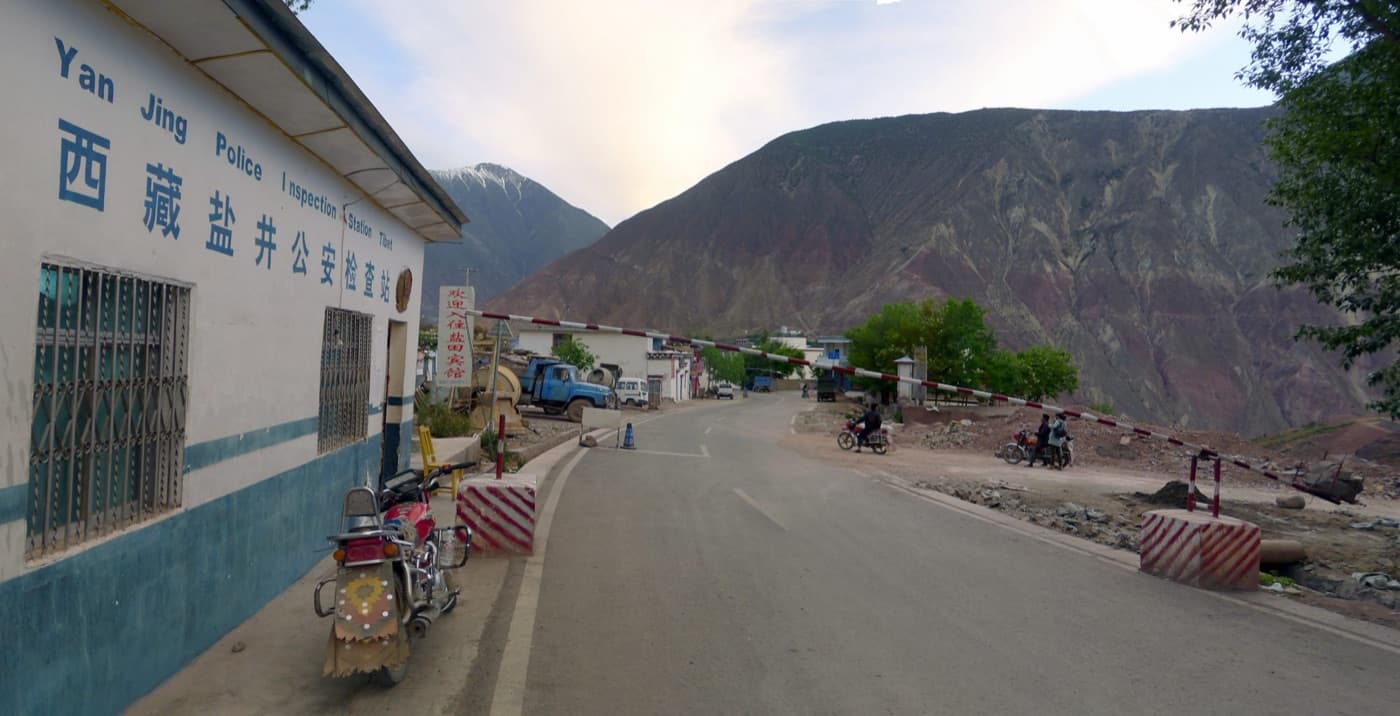
Yanjing
A remarkable place that was once a key route between Tubo and Nanzhao, and is the only surviving site of traditional, hand-made sun-dried salt production along the ancient Tea Horse Road. Yanjing is also the only place in Tibet with a Catholic church and congregation. Many cultures and religions coexist harmoniously in this secluded old town.
2 hours
Bujia Snow Mountain
This is a place of breathtaking beauty. Located at the junction of Suo, Baqing and Dingqing counties, it has what is currently the densest concentration of hanging glaciers in the world. You can drive to the foot of the glaciers, making it a place where you can get up close to them.
1–2 hours
Qamba Ling Monastery
Qamba Ling Monastery was founded in 1444 by Xirao Songbu, a disciple of Tsongkhapa, and is the largest monastery in the Kham region. The monastery still preserves a bronze seal issued by the Qing court in 1719 to the Pabala Living Buddha. Qamba Ling has five lineages of living Buddhas and 12 dratsang (colleges). At its peak it housed more than 5,000 monks and administered 70 smaller temples in the surrounding area. The main buildings are well preserved. The assembly halls contain hundreds of Buddha and eminent monk statues, thousands of square metres of murals and many thangkas. The Guqing (古庆) sacred dance of Qamba Ling is famed across the snowy plateau for its fearsome, lifelike masks, orderly and graceful movements and grand spectacle. Qamdo Tibetan opera, which takes this monastery's religious dance as its form, has developed a distinct style that sets it apart across all of Tibet.
Free · 2 hours
Kamaduo Stupa Forest
The stupa forest nestles beside mountains and water, with beautiful scenery. Among the green pines and cypresses stands a charming small shrine hall housing a statue of Padmasambhava. Legend says there used to be 108 stupas here. Several dozen have now been restored or rebuilt, including the Eight Buddha Stupas and the Square Odd Stupa, ranging from tall stupas several metres high to small ones under 3 metres. Behind the shrine hall is a huge mani stone pile, carved with six-syllable mantras and Buddha images.
1 hour