Luoshi Temple Pagoda
Luoshi Temple Pagoda was first built during the Later Liang period to commemorate Kumarajiva (鸠摩罗什), an eminent monk from the Western Regions.…
Luoshi Temple Pagoda, Wuwei
Key facts
- Admission
- Free
- Opening hours
- 9:00—17:00
- Time needed
- 2–3 hours
- Getting there
- Near the north entrance of Xiaobei Street (小北街北口) bus stop
- Guidebook rating
- 3 / 5
From China Self Guided Travel 2025, page 733. Open in Google Maps
About Luoshi Temple Pagoda
Luoshi Temple Pagoda was first built during the Later Liang period to commemorate Kumarajiva (鸠摩罗什), an eminent monk from the Western Regions. Kumarajiva had a legendary life and devoted his career to translating and lecturing on scriptures. After his death, his body was cremated and only his tongue remained, known as the “tongue relic.” The Luoshi Temple Pagoda is where this tongue relic is enshrined. The pagoda is octagonal, has twelve storeys and stands 32 metres tall.
Frequently asked questions
How much does Luoshi Temple Pagoda cost?
Admission to Luoshi Temple Pagoda is Free, as listed in the 2025 guidebook. Prices can change; check the official channel before you go.
What are the opening hours of Luoshi Temple Pagoda?
Luoshi Temple Pagoda is open 9:00—17:00.
How do I get to Luoshi Temple Pagoda?
Near the north entrance of Xiaobei Street (小北街北口) bus stop
How long should I spend at Luoshi Temple Pagoda?
Plan on 2–3 hours for Luoshi Temple Pagoda.
Where is Luoshi Temple Pagoda?
Luoshi Temple Pagoda is in Wuwei, Gansu Province, in the Northwest of China. North Main Street, Wuwei City
More places in Wuwei
Tianti Mountain Grottoes
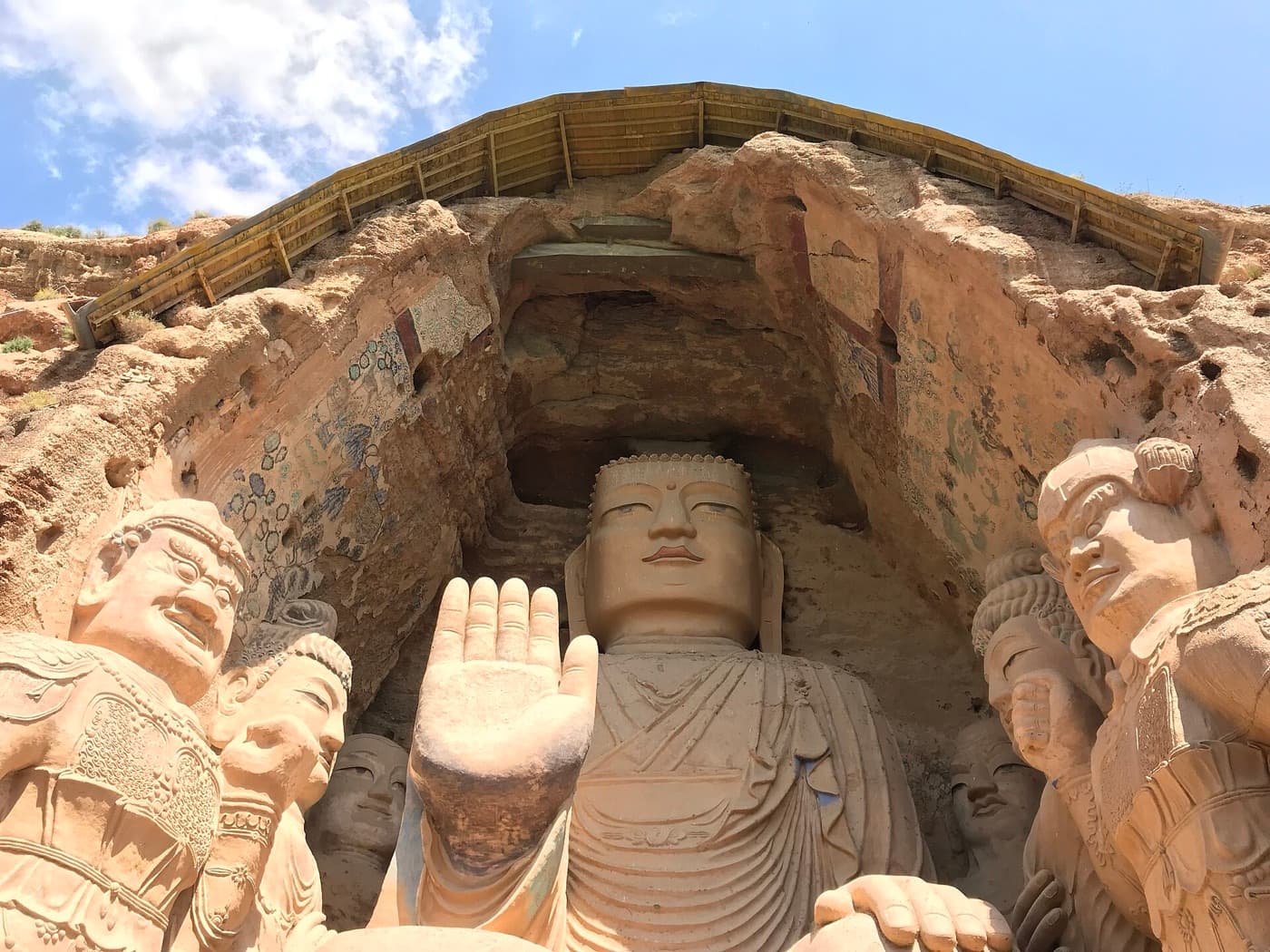
Tianti Mountain Grottoes, also called the Great Buddha Temple, are located in the cliffs of the south face of Dapo Mountain in Dengshan Village, Zhonglu Township, south of Wuwei city. The site is magnificent in scale and exquisite in craftsmanship. Excavated between 397 and 439 CE, it is known as “the ancestor of China's grottoes.”
¥30 · 1 hour
Qilian Mountain Binggou River Scenic Area
The Binggou River is a unique geographical wonder of the Qilian Mountains, a magnificent river formed as glacial meltwater gathers together. Immerse yourself in nature amid primeval forests, alpine meadows, plump and adorable marmots, and goats and cows grazing at leisure in poetic, picturesque scenery.
¥120 · 2–4 hours
Wuwei Western Xia Museum
The Western Xia Museum mainly displays precious Western Xia cultural relics unearthed in Liangzhou, the most valuable of which is the Western Xia Stele. Its full title is the “Inscription on the Rebuilding of the Gantong Pagoda at Huguo Temple in Liangzhou.” It is the only stele of its kind in China that survives, is the most completely preserved, and has the largest amount of parallel text in Western Xia and Chinese. In 1961, the Western Xia Museum was announced by the State Council as one of the first batch of national key cultural heritage protection units.
Free; advance reservation required for visits · 1 hour
Leitai Han Tomb
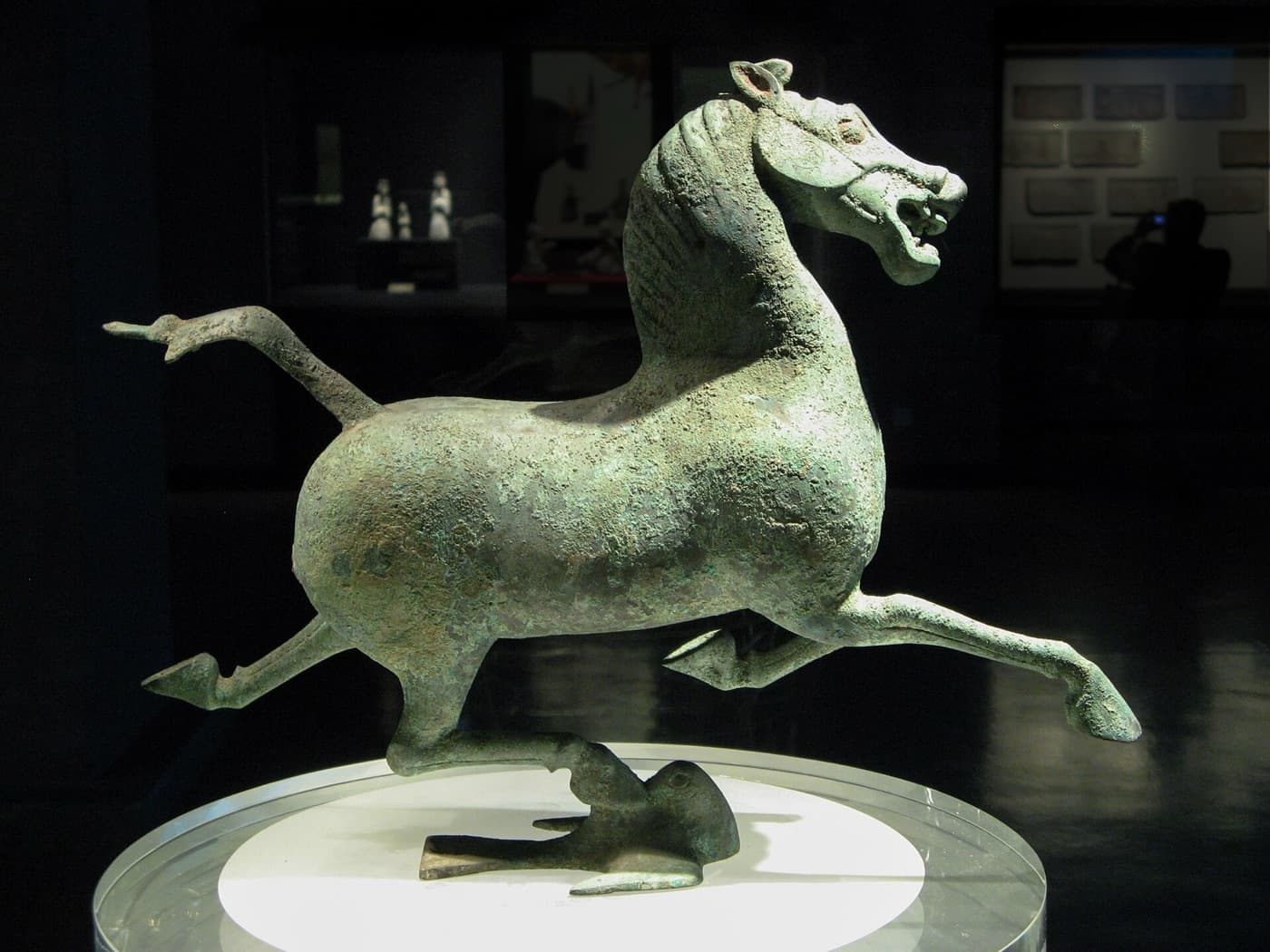
The site has recently been expanded into Leitai Park. The park is not large and its scenery is ordinary, but it is famous because the “Galloping Horse Trampling a Flying Swallow” and 99 other bronze chariot-and-horse sculptures were unearthed here. Visitors can enter the 20-metre-deep tomb passage, which leads to several tomb chambers. Apart from replica chariots and horses in procession, the walls are simply lined with grey bricks.
Leitai Park is free; Leitai Han Tomb ticket ¥45 · 1–2 hours