Jinfo Mountain
Combining mountains, water, forests, rocks and caves, natural landscapes like this can be found throughout southwest China. Jinfo Mountain, however, has its own distinctive character,…

Jinfo Mountain, Chongqing · AI illustration for China Trip
Key facts
- Admission
- West Gate combo ticket ¥260 (entrance ticket + cable car + shuttle bus); North Gate combo ticket ¥220 (entrance ticket + cable car)
- Opening hours
- Monday to Friday 9:00–17:00; Saturday and Sunday 8:30–17:30; public holidays 8:00–17:30
- Time needed
- 1–2 days
- Getting there
- Take a coach from Chongqing Bus Station to Jinfo Mountain, fare ¥42.
- Guidebook rating
- 5 / 5
From China Self Guided Travel 2025, page 435. Open in Google Maps
About Jinfo Mountain
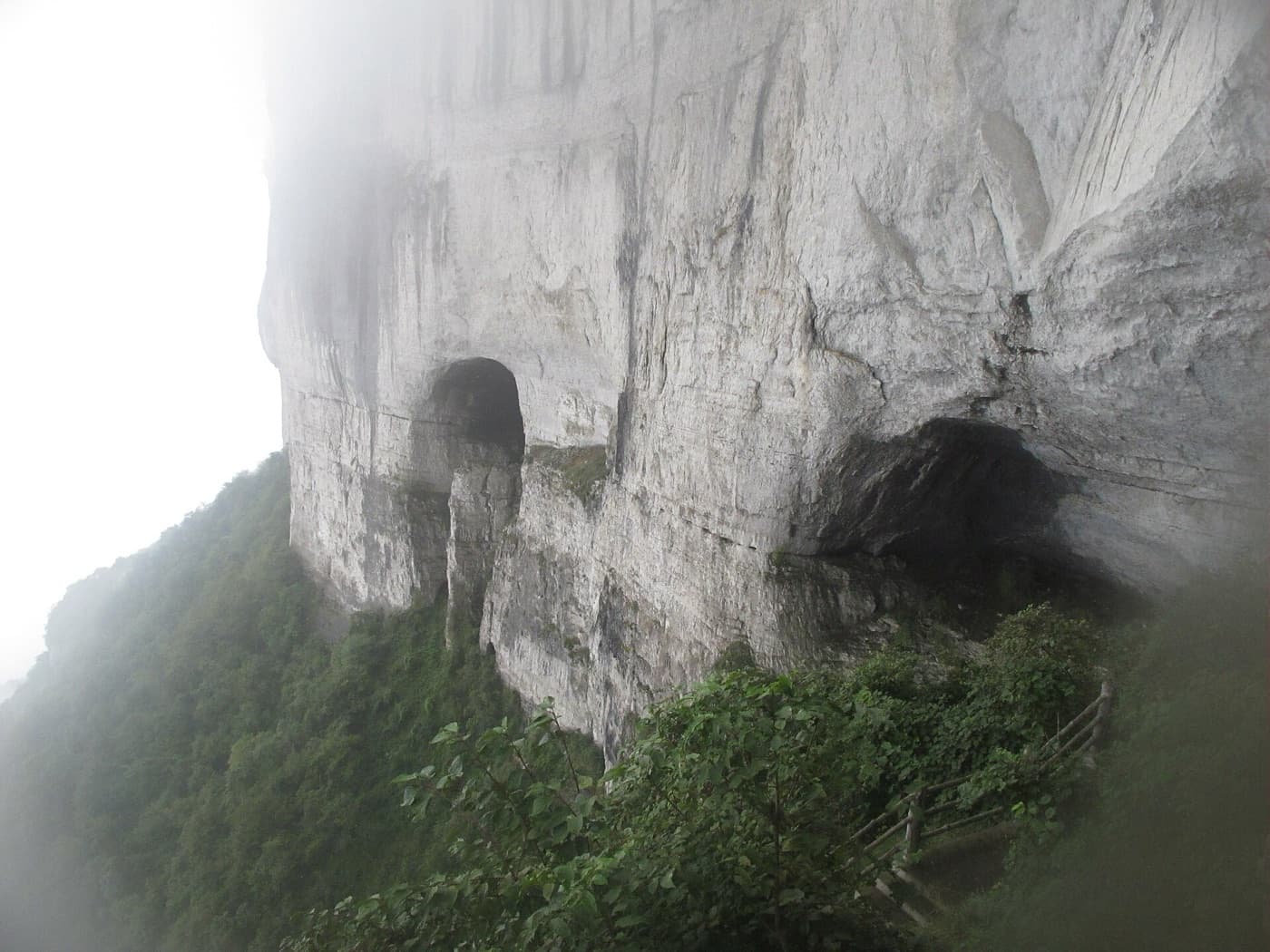
Combining mountains, water, forests, rocks and caves, natural landscapes like this can be found throughout southwest China. Jinfo Mountain, however, has its own distinctive character, and it even has a ski resort and other recreational facilities, making it a great place to enjoy snow in winter.
The scenic area is made up of three mountains—Jinfo, Baizhi and Jingba. Rare trees, exotic flowers and numerous nationally protected wildlife species thrive in its complex terrain. For urbanites who increasingly appreciate getting close to nature, this is a wild animal and plant park where you can nourish your soul and breathe fresh air.
Tips from the guidebook
- 1. The “Five Wonders of Jinfo”: Cathaya, ginkgo, large-leaf tea, square bamboo and the king azalea tree.
- 2. Protected animals: The white-crowned crane, red-bellied tragopan, golden snub-nosed monkey and black-leaf monkey are all first-class nationally protected animals found on Jinfo Mountain.
Frequently asked questions
How much does Jinfo Mountain cost?
Admission to Jinfo Mountain is West Gate combo ticket ¥260 (entrance ticket + cable car + shuttle bus); North Gate combo ticket ¥220 (entrance ticket + cable car), as listed in the 2025 guidebook. Prices can change; check the official channel before you go.
What are the opening hours of Jinfo Mountain?
Jinfo Mountain is open Monday to Friday 9:00–17:00; Saturday and Sunday 8:30–17:30; public holidays 8:00–17:30.
How do I get to Jinfo Mountain?
Take a coach from Chongqing Bus Station to Jinfo Mountain, fare ¥42.
How long should I spend at Jinfo Mountain?
Plan on 1–2 days for Jinfo Mountain.
Where is Jinfo Mountain?
Jinfo Mountain is in Chongqing, Chongqing Municipality, in the Southwest of China.
More places in Chongqing

Ciqikou Ancient Town
“One stone-paved road, a thousand years of history.” For lovers of ancient towns and folk customs, Ciqikou is a 1,700-year-old town on the banks of the Jialing River. For food lovers, a visit means sampling its “Three Specialties”: qianzhang (pressed bean curd sheets), mahua fish (twisted dough fish), and maoxuewang (blood curd hotpot).
3–4 hours
Simian Mountain
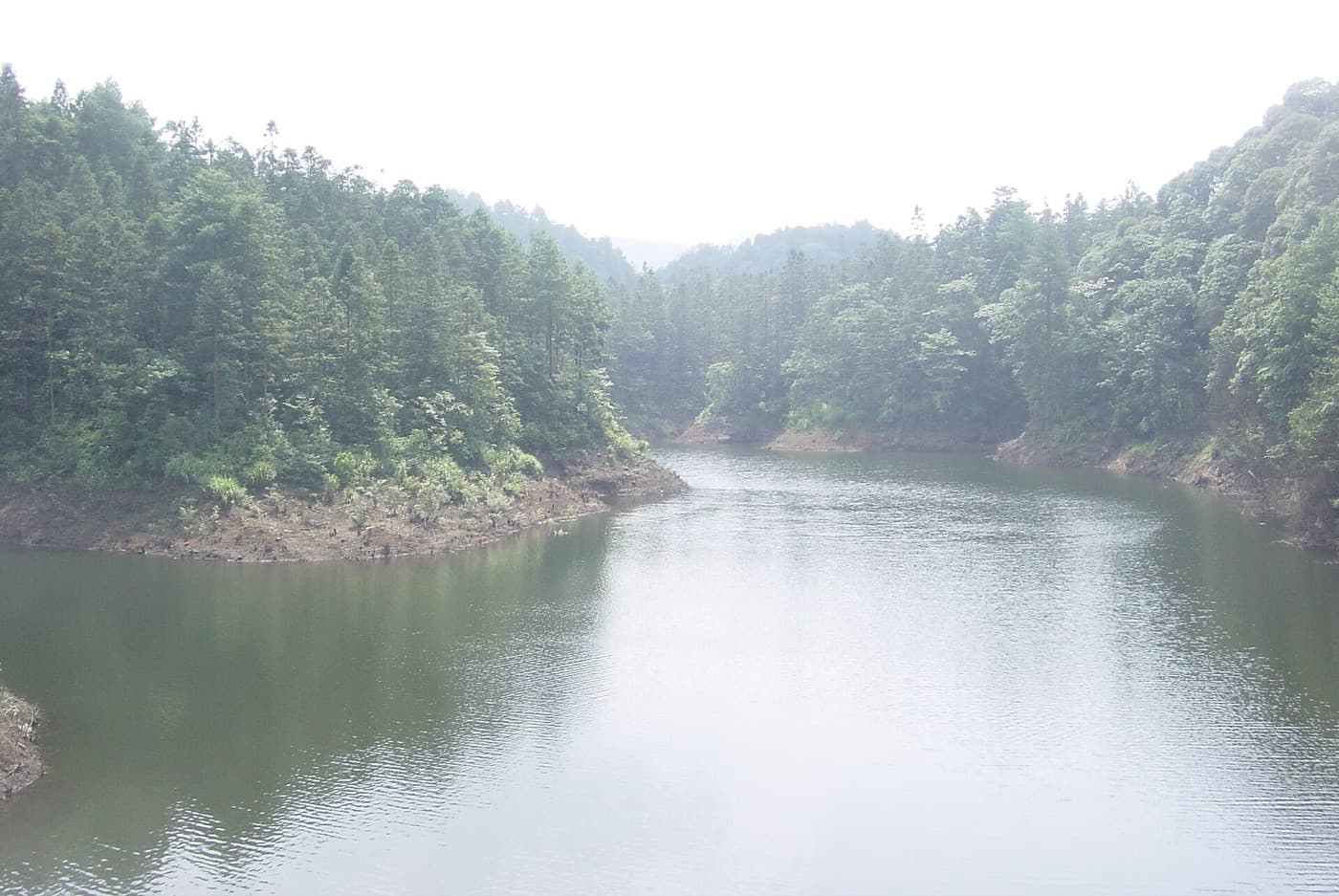
Simian Mountain is a Danxia landform with rich natural resources and primeval forests. Numerous streams, lakes and waterfalls run through the mountains, and a variety of animals and plants add vibrancy to the scenery. It is known as China’s “treasure house of species genes.”
¥110 (February–October); ¥60 (November–January) · 1–2 days
Gongtan Ancient Town
Gongtan is known as “the first historic and cultural town in Chongqing.” Its stilted houses (diaojiaolou) are a major draw, and the riverside examples are large, old and finely built. The town's stone-slab streets are also worth lingering over, with their history, culture and a simple, lived-in beauty. In 2005, the entire town was relocated to make way for the Wujiang Pengshui Hydropower Station. The Gongtan you see today is brand new, and its 1,700-year history now lies permanently submerged beneath the Wujiang River.
Wujiang Gallery cruise ¥58 · 3–5 hours
Youyang Peach Blossom Land
There are two Peach Blossom Lands in the world: one in Tao Yuanming's essay, and one in Youyang, Chongqing. Youyang's Peach Blossom Land sits in the heart of the Wuling Mountains and condenses some of the most beautiful untouched scenery. When the peach trees are in bloom, the scenic area is covered in drifting petals. Along quiet stone paths, you pass one pavilion and terrace after another: the Tao Gong Shrine, the Taoyuan Stele Forest, fields and village houses. Everything seems almost identical to the scenes described in “The Peach Blossom Spring.” Main sights include Peach Blossom Land, Fuxi Cave, Youzhou Ancient City, Taigu Cave and Peach Blossom Land Square. Fuxi Cave, about 3 km long, features winding walkways, a deep underground river and colourful stalactites, making it especially striking.
¥100 · 3–5 hours
Laitan Ancient Town
Laitan Town sits beside the beautiful Qu River and is one of the “Little Ten Scenes” of Chongqing. It is about 85 km from urban Chongqing and easy to reach. Laitan Ancient Village has four gates arranged in cross-symmetry. Its walls are built entirely of stone blocks more than half a metre long, making them very sturdy. Inside, a 200-metre stretch of bluestone-paved street and more than 400 Qing-dynasty residences remain. Laitan's scenery is known for being ancient, unusual, distinctive, complete and graceful. Its Erfo Temple, cliff-carved Buddhist images, old temples, the Gu Weng City (ancient jar-shaped enclosure), the Ming-dynasty memorial archway, the Wenchang Palace opera stage, the Sheli Pagoda cluster, Diaoyu Fortress and the village houses are all ingeniously conceived and expertly built. Six jade Buddha statues brought from Myanmar add further charm to the site.
1–2 hours
Jindao Gorge Scenic Area
Compared with Heishan Valley, Jindao Gorge is more dangerous and steeper. Its plank walkways are built along cliff faces, and it sees fewer visitors, making it a good fit for outdoor enthusiasts and those who enjoy adventure. Temperatures at the top are low, so bring warm clothing.
¥80 (March–October); ¥60 (November–February) · 3–5 hours