Eastern Qing Tombs
China’s largest surviving imperial mausoleum complex, now a UNESCO World Heritage Site. Standing before the vast grounds, you can feel the spirit and history of the once-mighty Qing Empire drifting l…

Eastern Qing Tombs, Chengde · AI illustration for China Trip
Key facts
- Admission
- ¥138 (includes sightseeing shuttle)
- Opening hours
- 8:30—17:00
- Time needed
- 3–5 hours
- Getting there
- Buses to Zunhua depart from Beijing Sihui Bus Station daily at 7:40, 12:05, 13:10 and 19:00; the fare is ¥66. From Zunhua, take a bus from Zunhua (遵化) bus stop to Shimen (石门) bus stop.
- By car
- Head east along the Jingtong Expressway and Jingha Expressway, passing the Beiguan Roundabout in Tongzhou District, Yanjiao, Sanhe City and Jizhou District of Tianjin. Turn left under the Jizhou Bridge to enter the county town, then turn right at the roundabout in the town centre. Follow the Jizhou–Zunhua Road, passing Mashenqiao and Shimen Town. After the Shimen Town toll station, turn north; at Malanyu, turn west to reach the entrance to the Eastern Qing Tombs Sacred Way.
- Guidebook rating
- 5 / 5
From China Self Guided Travel 2025, page 1763. Open in Google Maps
About Eastern Qing Tombs
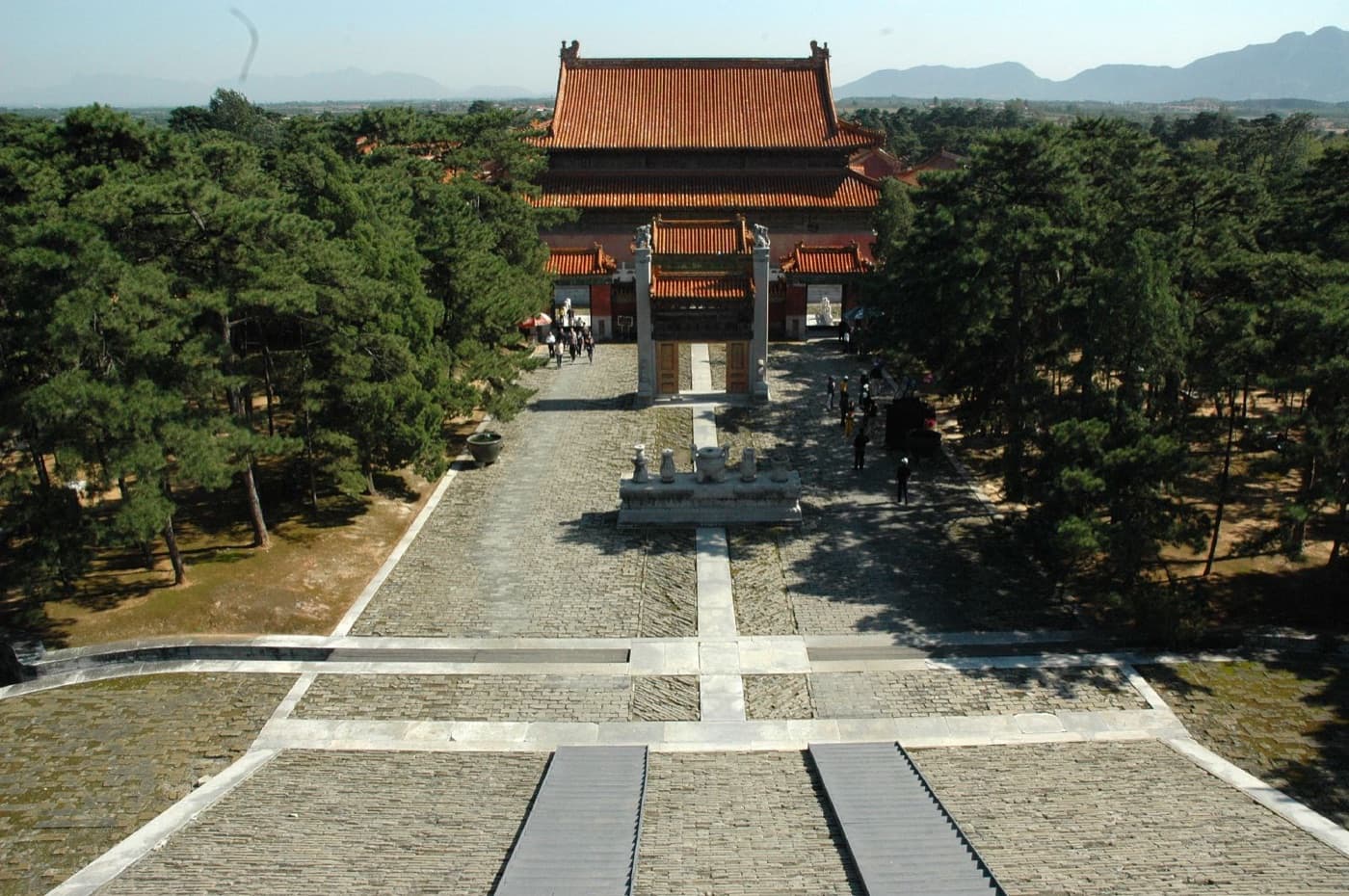
China’s largest surviving imperial mausoleum complex, now a UNESCO World Heritage Site. Standing before the vast grounds, you can feel the spirit and history of the once-mighty Qing Empire drifting like clouds above the tombs. There are 14 mausoleums for emperors, empresses and imperial consorts, holding 5 emperors, 15 empresses, 136 consorts and 1 prince, including Emperor Qianlong, Empress Dowager Cixi and the Fragrant Concubine (Xiang Fei). The Eastern Tombs preserve a relatively complete layout: the imperial and empress tombs have yellow glazed tile roofs, while the consort tombs have green glazed tile roofs, all built according to the principle of “court in front, living quarters behind.”
Frequently asked questions
How much does Eastern Qing Tombs cost?
Admission to Eastern Qing Tombs is ¥138 (includes sightseeing shuttle), as listed in the 2025 guidebook. Prices can change; check the official channel before you go.
What are the opening hours of Eastern Qing Tombs?
Eastern Qing Tombs is open 8:30—17:00.
How do I get to Eastern Qing Tombs?
Buses to Zunhua depart from Beijing Sihui Bus Station daily at 7:40, 12:05, 13:10 and 19:00; the fare is ¥66. From Zunhua, take a bus from Zunhua (遵化) bus stop to Shimen (石门) bus stop.
How long should I spend at Eastern Qing Tombs?
Plan on 3–5 hours for Eastern Qing Tombs.
Where is Eastern Qing Tombs?
Eastern Qing Tombs is in Chengde, Hebei Province, in the North China of China. Located in Zunhua City, Hebei Province, 125 kilometres from Beijing
More places in Chengde

Eight Outer Temples
Besides the Mountain Resort, the Eight Outer Temples are another major highlight of any Chengde itinerary. They have long been said to be so formidable that “one temple could hold off a hundred thousand soldiers.” The complex also pushed the art of ancient Chinese temple architecture to its peak.
3 hours

Chengde Mountain Resort
China’s largest surviving ancient imperial garden, with an area twice that of the Summer Palace. The architecture of the palace area is exquisitely ornate. The lake area was where emperors and their consorts once relaxed and held banquets. It was built in imitation of famous scenic spots south of the Yangtze, so the landscape blends the rugged beauty of the north with the refined elegance of Jiangnan. There are also plain and mountain areas, and the resort has a different charm at different times of day: at dawn, mist rises over the lake; at dusk, you can watch the sunset over Chuifeng (Hammer Peak); on moonlit nights, you can listen to the river and admire pear blossoms beneath the moon. The rain over Jinshan Pavilion, where water seems to flood the hillside, and the misty rain at Yanyu Tower are both considered scenic highlights. Here, you can imagine what life was like for the emperors of the past.
Peak season ¥130; off-season ¥90 · 0.5–1 day
Jinshanling Great Wall
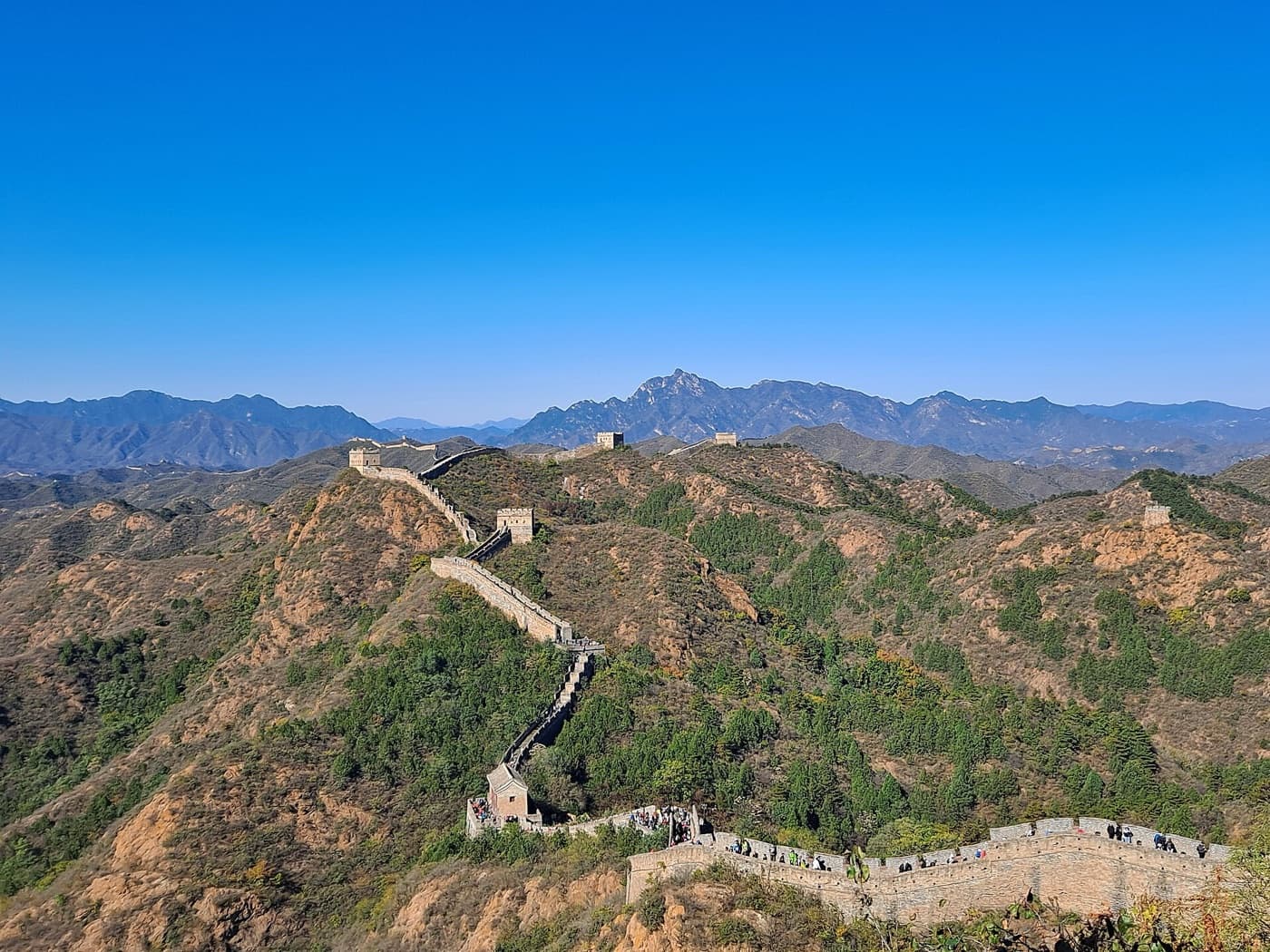
Built during the Hongwu era of the Ming dynasty, this section features commanding terrain, wide views, strict defences, and magnificent, well-preserved architecture. It is one of the finest sections of the Great Wall of China.
Peak season ¥65; off-season ¥55 · 1 day
Xinglong Mountain
Bashang Grassland
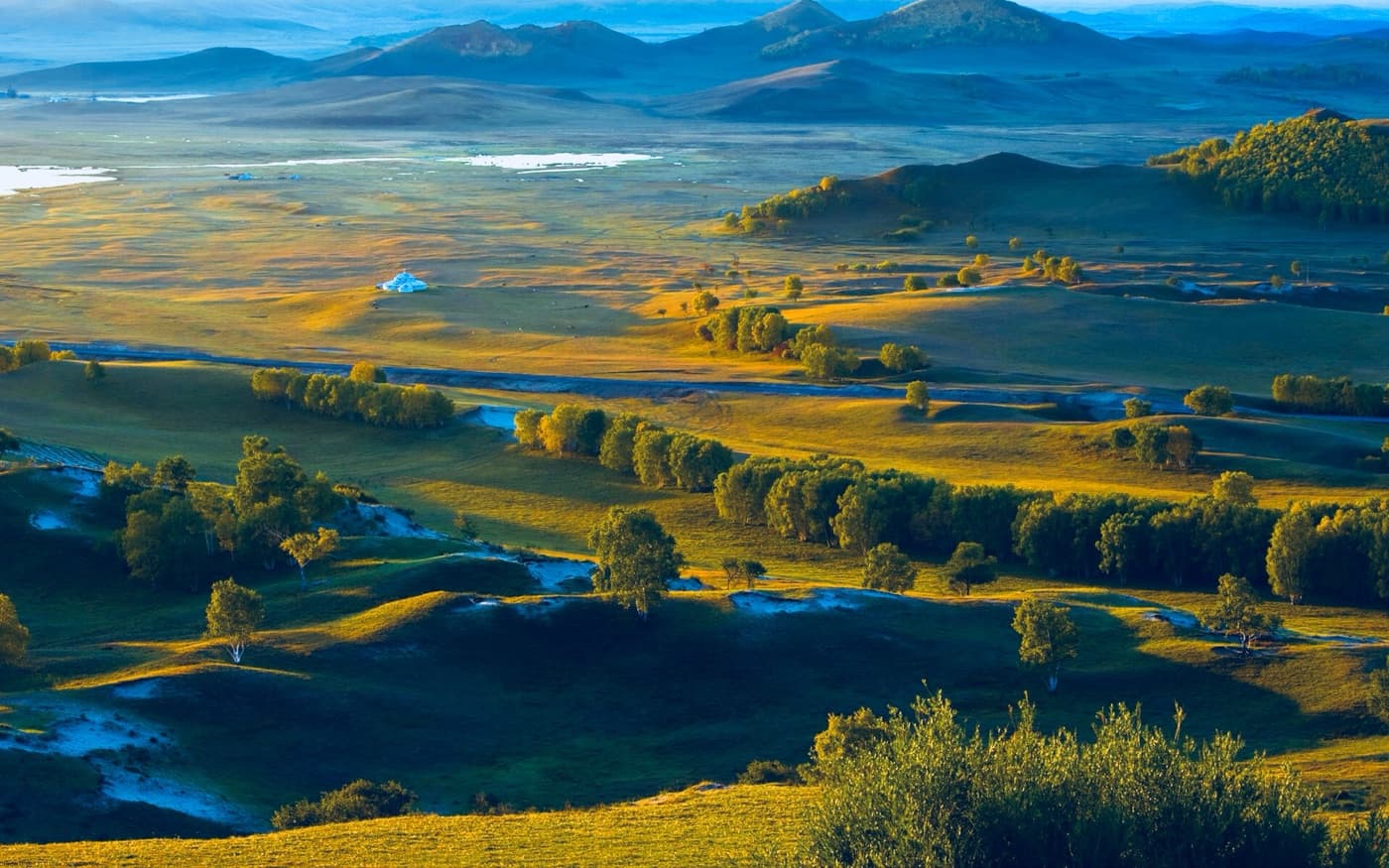
Hailed as “the Number One Grassland North of Beijing,” Bashang Grassland in Fengning is vast and open, with crisp, clear skies that make it a prime summer retreat. The grassland is lush with flowers, including golden needle flowers, dried-branch plum blossoms and golden lotus, all of which are much loved. Every October, migrating wild geese stop here briefly on their way south, and grassland animals such as hares, moles, foxes and leopards often emerge from the tall grass, making it a true paradise for outdoor hunting.