Changdao Island
Blue skies, clear waters, sunshine, beaches and pure air: Changdao has everything you need for a holiday. Part of Penglai District, the islands consist of the Southern Five (Beichang Island,…
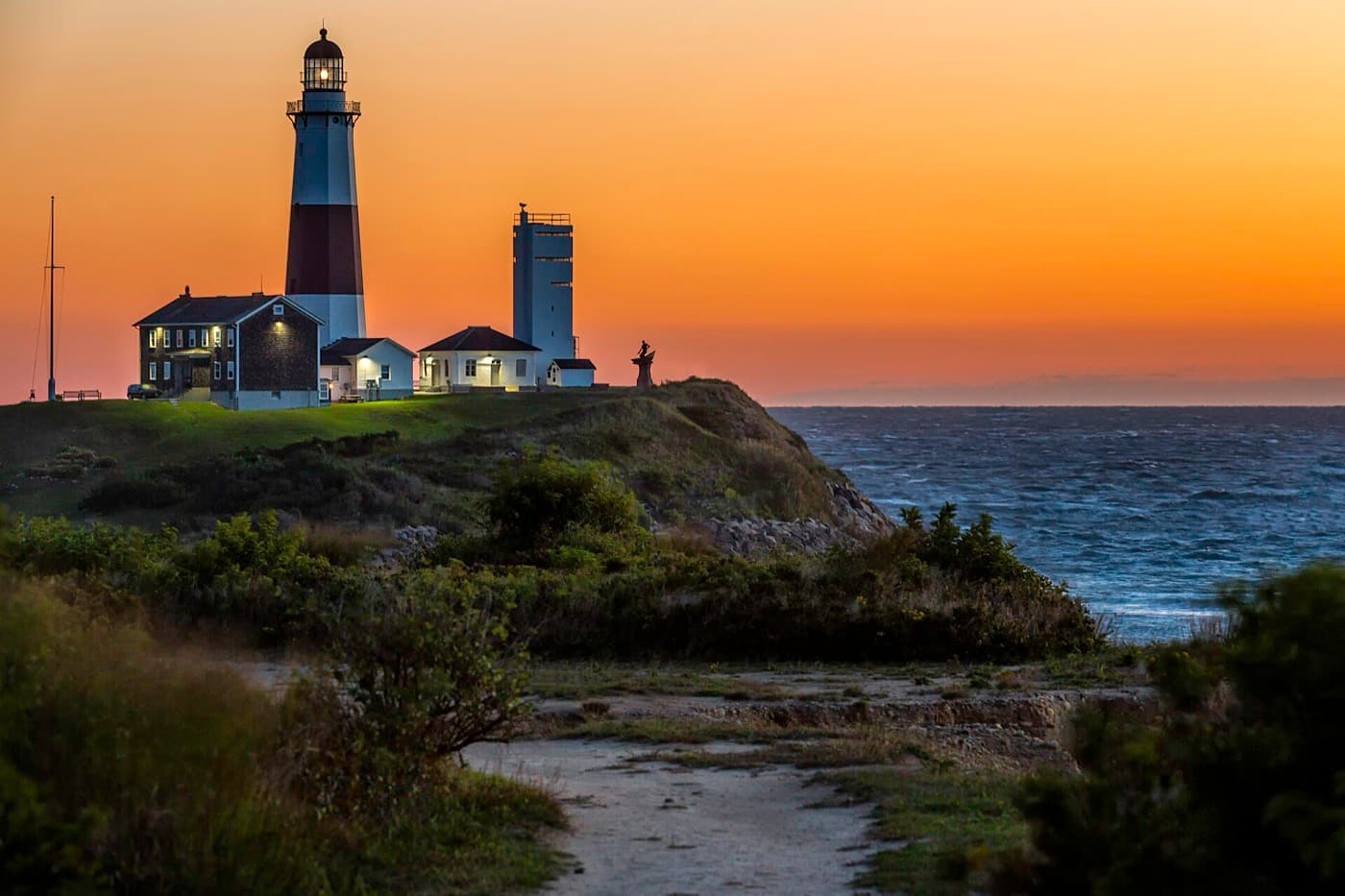
Changdao Island, Yantai · Ronald Diel · CC BY-SA 3.0 · Wikimedia Commons
Key facts
- Admission
- North line ¥80; South line ¥80; full route ¥135
- Time needed
- 1–2 days
- Getting there
- Ferries run from Penglai to Changdao (7 nautical miles) with 16–17 sailings daily between 6:00 and 18:00. The crossing takes 40 minutes. Schedules may change at short notice in rough weather. Ferries also sail back from Changdao to Penglai with 16–17 sailings daily between 6:00 and 18:00.
- Guidebook rating
- 4 / 5
From China Self Guided Travel 2025, page 1378. Open in Google Maps
About Changdao Island
Blue skies, clear waters, sunshine, beaches and pure air: Changdao has everything you need for a holiday. Part of Penglai District, the islands consist of the Southern Five (Beichang Island, Nanchang Island, Miao Island, Dahei Island, Xiaohei Island) and the Northern Five (Tuoji Island, Daqin Island, Xiaoqin Island, Nanhuangcheng Island, Beihuangcheng Island), 32 islands in total.
Tips from the guidebook
- Eating, staying, sightseeing and getting around on Changdao: 1. Changdao is one of China’s most frequent sites for sea mirages, which mainly appear on rainy days in July and August.
- 2. Changdao has dedicated sightseeing bus routes on its North and South lines. City buses cost ¥5 per stop, or ¥40 for the full route.
- 3. Most visitors head to Nanchang Island and Beichang Island. The two islands are joined by a sea causeway and stretch more than ten kilometres from north to south. The sights are spread out, so walking between them is difficult.
- 4. Taxis on Changdao start at ¥9. Fares from Changdao Port are: to Jiuzhangya Cliff ¥17–24; to Yueya Bay ¥7–10; to Wangfu Reef ¥10; to Xianjingyuan ¥8–11; to Fengshan ¥5–10. Drivers are often unwilling to take you to just one place and will offer a package quote covering several sights, so bargain hard.
- 5. The “fisherman’s homestays” on Changdao are distinctive: you eat and sleep with fishing families, and they also arrange sea activities. Villages offering homestays include Dianzi, Liancheng, Heishizui, Wanggou and Hougou, each with its own character. Breakfast is congee, pickles, eggs, steamed buns and sweet potato. Lunch is rice with two simple dishes that include some meat or seafood. Dinner usually features seafood. For a more lavish feast, buy seafood yourself at the wharf and ask your hosts to cook it. Changdao is famous for squid and black fish. Mackerel (bayu) is caught only in spring and autumn; July to September is the fishing moratorium, so in summer you can only get frozen mackerel. A popular way to eat it is in dumplings filled with fish and chives, which taste excellent. Everyday seafood snacks in fishing families include fish-filled boiled dumplings, fish buns, fresh fish noodles, fish porridge, fish-meat rice, seaweed pockets, seaweed soup and sea hare sauce.
Frequently asked questions
How much does Changdao Island cost?
Admission to Changdao Island is North line ¥80; South line ¥80; full route ¥135, as listed in the 2025 guidebook. Prices can change; check the official channel before you go.
How do I get to Changdao Island?
Ferries run from Penglai to Changdao (7 nautical miles) with 16–17 sailings daily between 6:00 and 18:00. The crossing takes 40 minutes. Schedules may change at short notice in rough weather. Ferries also sail back from Changdao to Penglai with 16–17 sailings daily between 6:00 and 18:00.
How long should I spend at Changdao Island?
Plan on 1–2 days for Changdao Island.
Where is Changdao Island?
Changdao Island is in Yantai, Shandong Province, in the East China of China.
More places in Yantai

Eight Immortals Crossing the Sea Scenic Area
Located on the Yellow Sea coast north of Penglai, the Eight Immortals Crossing the Sea Scenic Area faces Danya Mountain, Penglai Pavilion and the Changshan Islands across the water. It is a distinctive scenic spot on the Jiaodong Peninsula. Set against Daoist culture and Penglai mythology, with the legend of the Eight Immortals as its theme, it combines classical architecture with artistic gardens. The surrounding sea is wide and the views are spectacular. The scenic area has nearly 40 main attractions, including the Stone Forest, a bird and animal hall and Seal Island, and it is well suited to children.
¥80 · 2–3 hours

Sanxian Mountain
Sanxian Mountain is next to the Eight Immortals Crossing the Sea Scenic Area and within sight of Penglai Pavilion. According to legend, the three mythical mountains of Penglai, Fangzhang and Yingzhou were where the First Emperor of Qin and Emperor Wu of Han sought the elixir of immortality, so people come here in great numbers to worship the immortals and pray for blessings. The scenic area includes Penglai Immortal Island, Fanghu Realm, Yingzhou Immortal Land, the Three Harmonies Great Hall, the Jade Buddha Temple and the Eleven-Faced Guanyin Pavilion. Among its treasures are the world's largest whole-jade reclining Buddha, weighing 108 tonnes; a whole-jade standing Guanyin weighing 72 tonnes; and an eleven-faced Guanyin weighing 260 tonnes. These are rare treasures indeed.
¥120 · 2–3 hours

Penglai Pavilion
Yantai is famed throughout the land thanks to Penglai, which has long been known as a earthly paradise. The well-known legend of the “Eight Immortals Crossing the Sea” originates here. Seen from below, Penglai Pavilion is merely a small pavilion on a low hill, unremarkable and without any sense of the mystical. But once you stand inside the pavilion and look down, the little hill becomes a towering cliff, and you feel as though you might drift away on the wind. Not far from the original site where Qi Jiguang trained his anti-Japanese pirate-fighting navy stands the Penglai Water Fortress. Looking into the distance, you can see a hazy cluster of islands, which is the Changdao archipelago.
Penglai Pavilion ¥100; cable car round-trip across the sea ¥50 · 4–5 hours
Yangma Island
Not only is the scenery beautiful and enchanting, but the island is also rich in lovely legends, and many famous figures of past dynasties have left their footprints here. Its hills roll gently and are covered in lush trees and plants. Mountains, light and sea combine to create a pleasant climate. The island has hotels and recuperation centres, as well as distinctive attractions including Tianma Square, a racecourse, seaside beaches and Haishang Shijie (Ocean World), so visitors can choose freely.
Free; racecourse ¥20, horse riding ¥80 · 3–4 hours
Zhifu Island
Also called Zhifu Mountain, the island is surrounded by sea on three sides and connected to the mainland by a single road to the south. It is China’s largest and the world’s most typical land-tied island (tombolo). Its front is lush and picturesque, while its back is a jumble of craggy rocks and steep cliffs. It was already famous in the Spring and Autumn period. Duke Jing of Qi once visited to enjoy the scenery, and the emperors Qin Shi Huang and Han Wudi both climbed Zhifu.
2–3 hours
Kunyu Mountain National Forest Park
The Shenqing Taoist Temple inside Yanxia Cave on Kunyu Mountain is the ancestral temple of the Quanzhen School and houses dozens of stone statues. Ancient trees and the ancestral temple of the Quanzhen School give Kunyu Mountain on the Jiaodong Peninsula its special appeal.
Shimenli ¥40; Jiulongchi Scenic Area ¥40; Wuran Temple Scenic Area ¥50; Yanxia and Yuegudian scenic areas free · 1–1.5 days