Tainan travel guide
台南
Tainan travel guide with a day by day itinerary, 10 places with tickets and opening hours, where to eat and stay, and how to get there.
10 places · In the guidebook: pages 2702–2710

Tainan, Taiwan Region · AI illustration for China Trip
Quick itinerary
Tainan in 2 days
- Day 1
- Day 2
- Koxinga Shrine→
- Anping Fort→
- Dingtou'e Sandbar
The feel of the place
The flavor of old-time Tainan fills the air. Here you'll come to appreciate that China's long civilization isn't confined to the Palace Museum. It is also woven into the food served at street stalls and small shops.
Quick Tip
There is a popular Taiwanese saying, “Fucheng, Lukang, Mengjia” (一府二鹿三艋舺), which refers to three places: Fucheng (府城, Anping in Tainan), Lukang (鹿港) in Changhua, and Mengjia (艋舺, Wanhua) in Taipei. This shows how closely Taiwan's historic sites are tied to these three places. Tainan alone has plenty of historic sites: standing on Minzu Road, you'll find heritage sites within 100 meters almost everywhere you look.
Preparation and Information
Language
Most Tainan locals are descendants of mainland coastal migrants from the late Ming dynasty, mostly Hokkien speakers, so Mandarin is perfectly understood here.
Climate and Best Time to Visit
Tainan's annual average temperature is 24°C. Seasonal differences are subtle, and vegetation stays green year-round. Any season is good for travel. Tainan's summers are slightly cooler than northern Taiwan's, which makes them an especially good time to visit.
Things to see
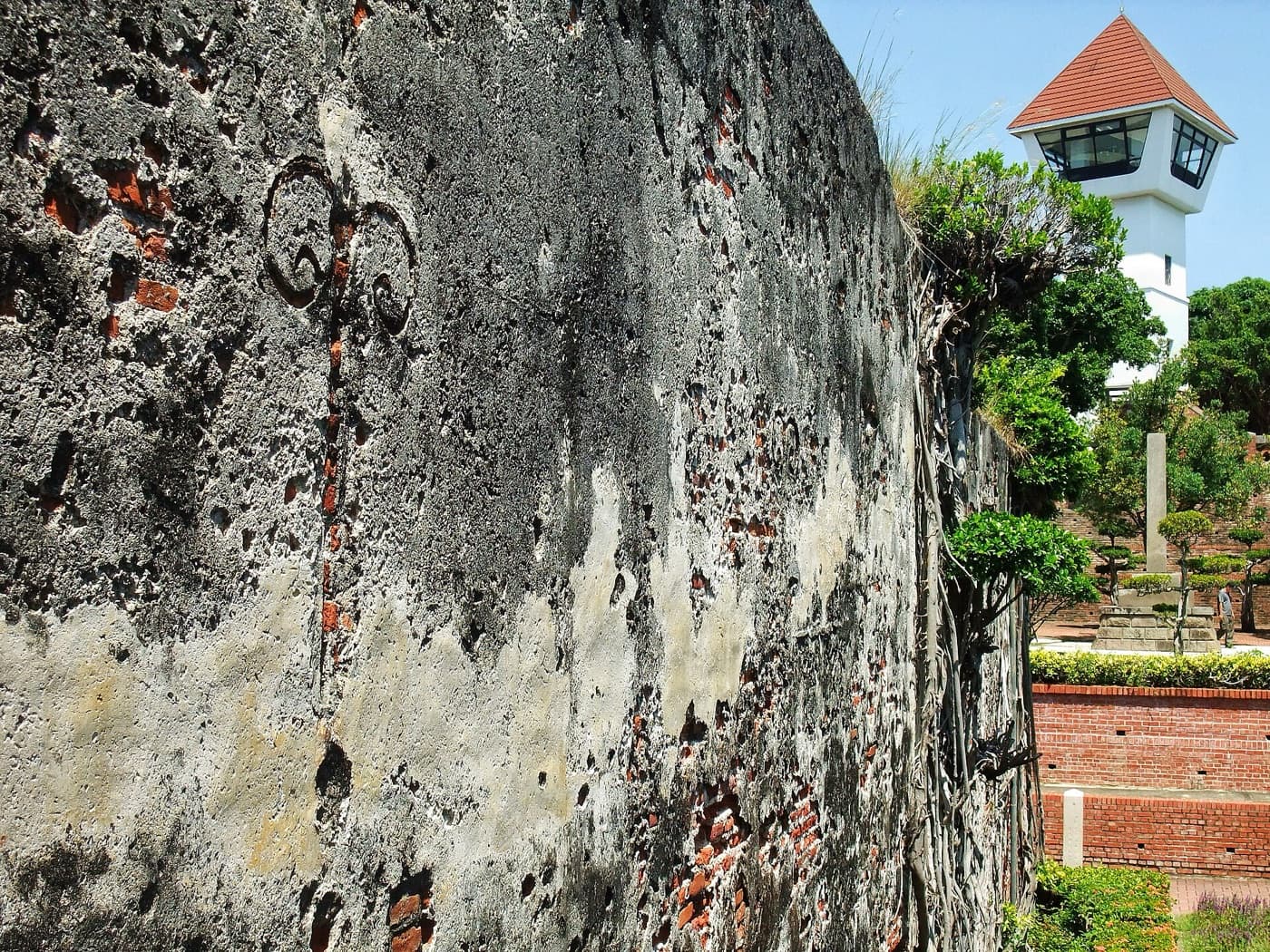
Anping Fort
1–2 hours · NT$50
Anping Old Fort may be the oldest and most turbulent fortress in Taiwan. It passed from Dutch hands to Koxinga (Zheng Chenggong), and later fell into disrepair and was converted into private homes and ruins. It was later rebuilt on its original site and renamed Anping Fort. Today, it no longer matches the grandeur of its heyday, but its rich historical records and cultural significance make it a site well worth visiting.
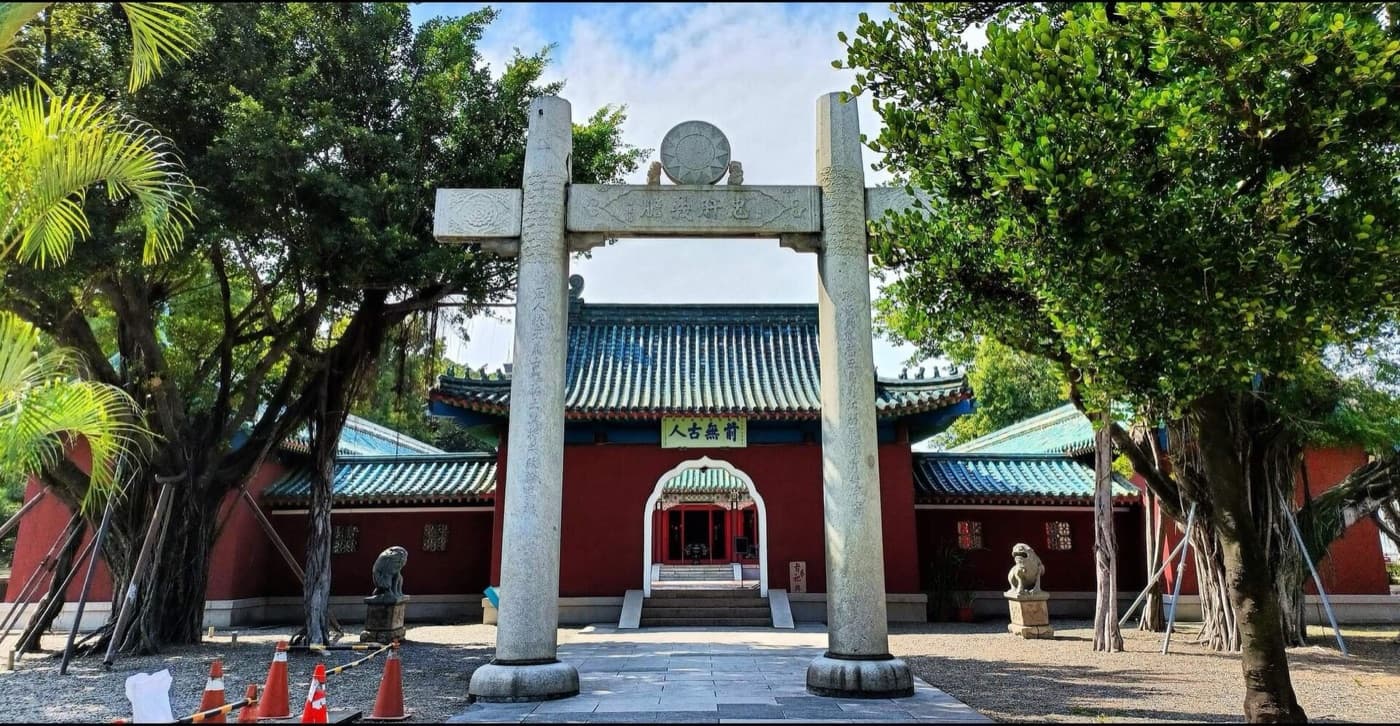
Koxinga Shrine
1–2 hours · NT$40
Located on Kaishan Road in Tainan, the Koxinga Shrine, commonly known as the Koxinga Temple, was built during the Tongzhi era of the Qing dynasty. It is considered the only Fuzhou-style temple building in Taiwan. The complex comprises a screen wall, a main hall dedicated to Koxinga, a rear hall honoring Consort Taifei and Prince Ningjing, and east and west wing halls. The garden is also elegantly designed, and two ancient plum trees planted by Koxinga himself, more than 300 years old, stand in the grounds. To the right of the shrine are two ancient bronze cannons and seven ancient iron cannons.
Mazu Temple
Mazu worship is widespread in Taiwan. The Grand Tianhou Temple in Tainan is the oldest and largest, and its incense is the most vibrant. Among nearly 400 Mazu temples in Taiwan, the Grand Tianhou Temple holds a uniquely noble status. It was the first government-built Mazu temple in Taiwan and the only one included in the official spring and autumn sacrificial ceremonies. Its statues and sculptures were made by master craftsmen, and its collection of antique plaques and couplets is rare among temples in Taiwan.
1–2 hours
Chimei Museum
Chimei Museum is one of Taiwan's richest private museums of art. Its collection includes many precious works of international standing and focuses on Western art, organized into five departments: Western painting and sculpture, musical instruments, ancient weapons, natural history, and antiquities. Visitors can admire Egyptian artifacts from the 8th century BC, world-class rare violins, centuries-old Japanese samurai swords, and classic works from the Renaissance and Barbizon schools. The Angel of Glory sculpture at the summit of the building was reproduced from a work by French sculptor Louis Barye.
1–2 hours · NT$200
Anping Tree House
Anping Tree House was originally the office and warehouse of the British trading firm Tait & Co. After the warehouse was abandoned, the surrounding old banyan trees took hold, and their roots gradually tore apart the building's original structure, while the trunks became the backbone of the brick walls. Entering Anping Tree House, visitors are astonished by its unique scene of “trees within walls, walls within trees.”
1–3 hours · Adult ticket: NT$70 (Tait & Co. + Pioneer History Wax Museum + Tree House)
Tainan Flower Night Market
Garden Night Market is large and busy, and its popularity rivals that of Taipei's Shilin Night Market. The market has four main zones: food and snacks, fashion, department-style boutiques, and leisure and entertainment. Its famous eats include Ah-Mei Guava, spring roll ice cream, Tong Da charcoal-grilled chicken cutlet, Chen's Hong Kong-style fish balls, Sicao oyster omelette, and Jie Qi fish oden. Expect to spend about NT$200 per person for a full meal.
2–4 hours
Chihkan Tower
Chihkan Tower was originally a defensive citadel built by the Dutch. Over time it was damaged and remodeled, and Chinese-style pavilions gradually replaced the Dutch fortress architecture. After several restorations, it was expanded with Wenchang Pavilion, Haishen Pass, Penghu Academy and the Tainan City History Museum, making Chihkan Tower Tainan's most representative landmark.
1–2 hours · NT$50
Tainan Confucius Temple
The Confucius Temple once symbolized the center of traditional Chinese culture, and today it reflects the Chinese culture deeply rooted in this place. The Tainan Confucius Temple is one of Taiwan's earliest Confucian temples and is known as “the First School in Taiwan.” Every year on September 28, Confucius's birthday, a grand Confucian memorial ceremony is held here, one of Taiwan's major annual cultural events. Today, the Tainan Confucius Temple is an open park where visitors can tour the temple and enjoy the flame trees in bloom.
1–2 hours · NT$25
National Museum of Taiwan Literature
The National Museum of Taiwan Literature occupies the former site of the Tainan government office, and its architecture is grand and handsome. The museum is spacious, with multiple galleries that comprehensively introduce Taiwan's history and literature, making it a must-visit for literature lovers.
2–3 hours · Free
Qigu Salt Mountain
The salt hills here gleam like snow and closely resemble the perennially snow-capped Changbai Mountain, earning them the nickname “Changbai Mountain of Tainan.” You can climb to the summit, where it really does look like a snowy landscape. If you're still craving more after exploring, you can pick up a cultural and creative souvenir as a keepsake.
2 hours · Free
Getting there & around
Getting There
Air
Tainan Airport is Tainan's largest airport. Daily flights from Taipei operated by TransAsia Airways, China Airlines and Far Eastern Air Transport fly directly to Tainan Airport, with tickets priced at NT$1,300–1,500. Tainan also has a seaplane airport in Xinying.
Rail
Tainan Station is served by Tze-Chiang, Chu-Kuang and Fu-Hsing trains, which makes it very convenient. The trip from Taipei to Tainan costs NT$420–630, and from Kaohsiung to Tainan NT$60–90.
High-Speed Rail
Tainan High-Speed Rail Station is located in the Shalun area of Guiren District in Tainan, and is an important stop on Taiwan's high-speed rail line. From here, you can easily reach transfer points for attractions across western Taiwan.
Road
Kuo Kuang coaches (国光号) run by Taiwan Bus, and Tong Lian Bus, operate fixed services directly to Tainan from Kaohsiung and Taipei every 30–60 minutes. Taipei to Tainan costs about NT$450, and Kaohsiung to Tainan about NT$150.
Getting Around Town
Tainan's city buses radiate from Tainan Station and are operated by Tainan City Bus, Xingnan Bus and Tainan Bus, with fares of NT$15–18 per section. Taxis start at NT$85. A taxi from the airport to central Tainan costs about NT$200, so agree on the fare in advance.
Tainan Station Information Desk
Rail- Phone:
- 00886-6-2261314
Eat & drink
Visitors who return from Tainan often catch a case of “food-craving syndrome”: one glimpse of a tempting dish and their eyes light up, and their mouths start watering. If you've lost your appetite, this is truly the place to cure it.
No. 626 and No. 628, Zhongzheng South Road
Haian Branch: No. 509, Section 2, Haian Road
Zhou's Shrimp Rolls
Zhou's is a leader in Tainan cuisine. Its signature dishes are traditional Tainan snacks such as shrimp rolls, danzai noodles (担仔面), fish balls, shrimp ball soup and fish thick soup (鱼羹). Its “Tainan Snack Banquet” set meal brings the city's favorite snacks together in one go, so visitors can sample them all at once.
- Address:
- No. 408, Anping Road, Tainan City
Tainan Tsai Milkfish
Milkfish (Shiwuyu) is a traditional Tainan delicacy. Legend has it that when Koxinga (Zheng Chenggong) arrived in Taiwan and ate this fish, he praised it repeatedly and asked what it was. The locals named it “Shiwuyu” (虱目鱼), a homophone of the phrase “what fish” (什么鱼). This is Tainan's first milkfish specialty shop open 24 hours a day. It raises and sells its own fish, and its open kitchen lets you satisfy your appetite while watching the entire milkfish processing process.
- Address:
- Old store: No. 236, Section 4, Ximen Road
Chikan Guancai Ban (Coffin Board)
Guancai ban (coffin board) is a famous Tainan snack made with bread, chicken, cuttlefish and other ingredients. It gets its name from its resemblance to a coffin board.
- Address:
- No. 180, Kangle Market, Zhongzheng Road, Zhongxi District, Tainan City
Fuji Meatballs
A special sweet chili sauce and a richly flavoured pork filling are the signatures of this meatball shop.
- Address:
- No. 215, Section 1, Fuqian Road, Zhongxi District, Tainan City
Du Xiao Yue Danzai Noodles
Du Xiao Yue Danzai Noodles are known to everyone in Taiwan, and there is only this one shop, with no branches. The shop still keeps its traditional low stoves, small bamboo stools, red lanterns and the blackened clay jar of meat sauce. The most distinctive secret of Du Xiao Yue's noodles is the meat sauce. Paired with the noodles and various other ingredients, this small bowl has a unique flavour and a lingering aftertaste.
- Address:
- No. 16, Zhongzheng Road, Tainan City
- Phone:
- 00886-6-2231744
Source: China Self-Guided Travel 2025 (《中国自助游》, Tianjin Science & Technology Press, Aug 2024), pp. 2702–2710. Translated from the Chinese edition; names and prices follow the guidebook. · Plain text version