Kinmen and Matsu Region travel guide
金马地区
Kinmen and Matsu Region travel guide with a day by day itinerary, 4 places with tickets and opening hours, where to eat and stay, and how to get there.
4 places · In the guidebook: pages 2731–2743

Kinmen and Matsu Region, Taiwan Region · AI illustration for China Trip
The feel of the place
Many people's image of the Kinmen–Matsu area is shaped by the song *Grandma's Penghu Bay*. Today, Kinmen is the best-known part of the area for its scenery. Of course, spending a long holiday weekend touring the whole Kinmen–Matsu area is also rewarding, and you will experience much more than just sunshine, beaches, waves and cacti.
Preparation and Information
Language
Communicating in Mandarin is generally not a problem.
Climate and Best Season
The best time to visit Kinmen, Matsu and Penghu is April–September. From the second half of October, the northeast monsoon strengthens, making it the least suitable time to travel.
Things to see
The purpose of travel is to delight the mind and broaden your horizons. If you visit each place without carefully observing and appreciating its local customs and culture, the trip loses much of its meaning.
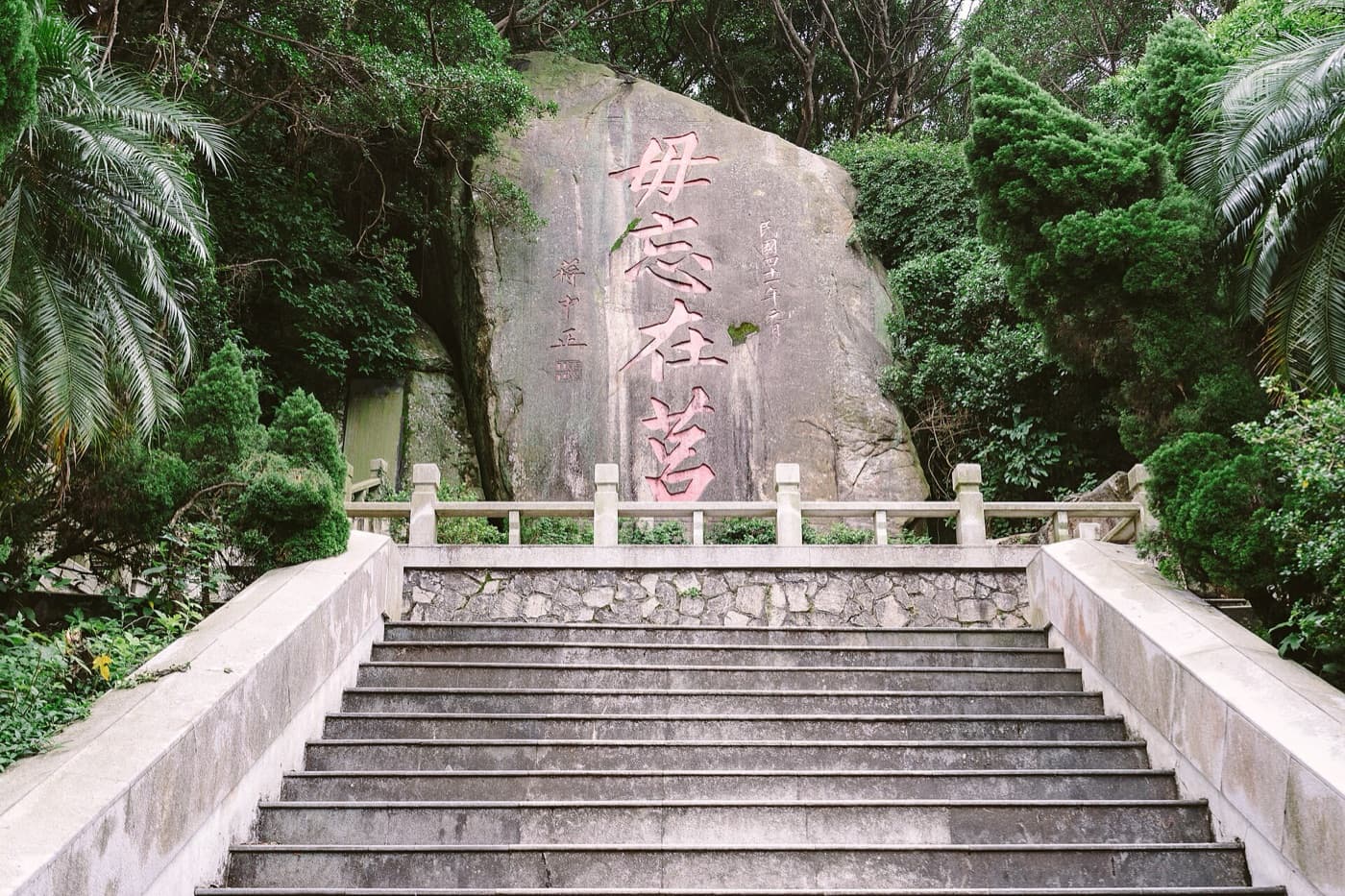
Kinmen
History & Culture · Photography · Nature
Kinmen was once a battleground for defending against Japanese pirates (wokou), and a visit here is mainly about its wartime landscapes. Notable sights include Mashan Observation Post, Juguang Tower and the Guningtou Battle History Museum. Kinmen is close to Xiamen and Quanzhou and has grown popular with visitors in recent years.
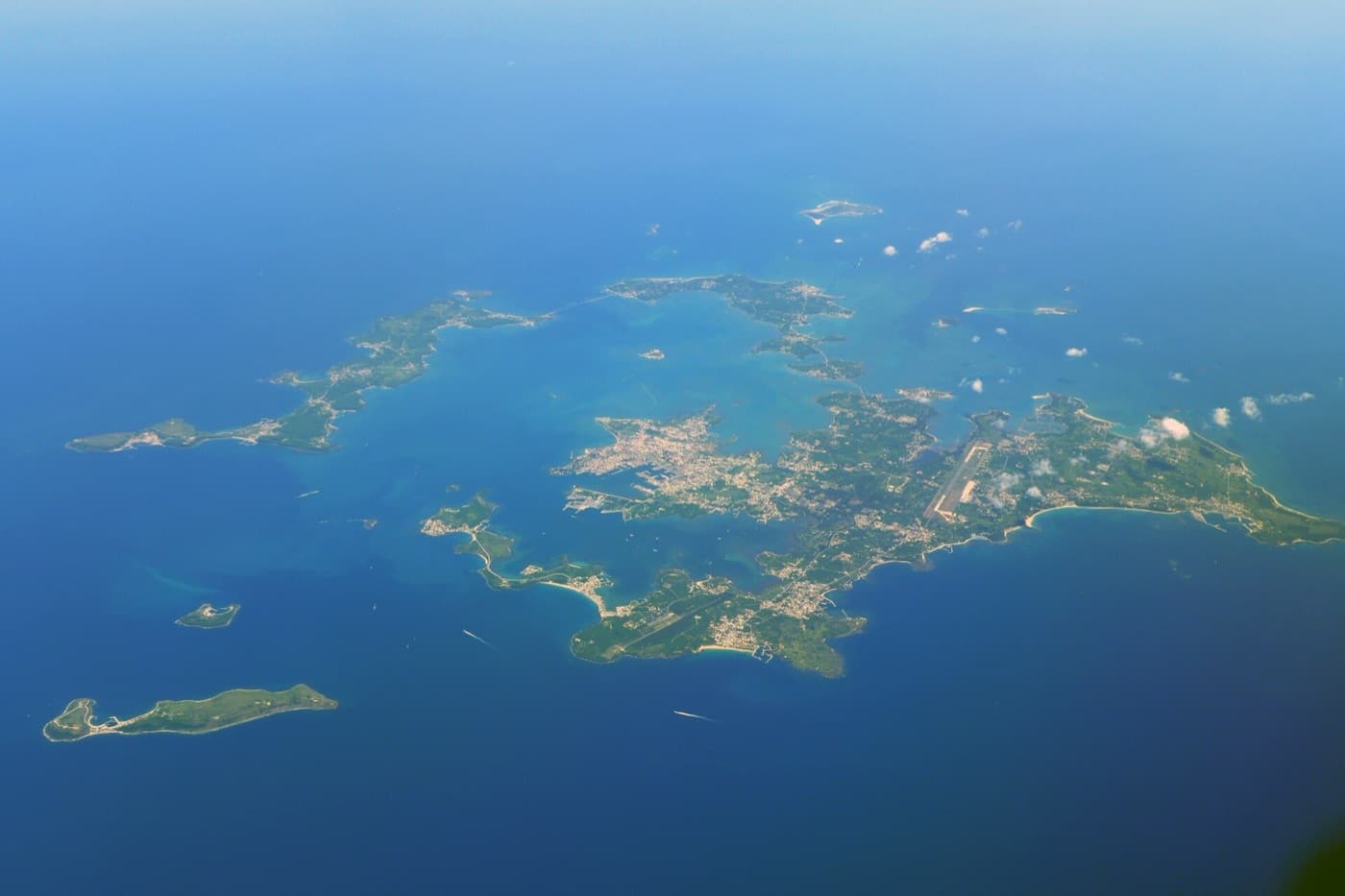
Penghu Scenic Area
2–3 days
Penghu became known to many more people thanks to the song "Grandma's Penghu Bay." The Penghu Cross-Sea Bridge is the most iconic sight in the scenic area, and other famous attractions include Tianhou Temple, Xiyu Lighthouse and Yuweng Island Lighthouse. The area is also a gathering place for many migratory birds, and its abundant marine life adds to Penghu's ecological beauty, making it a rare seaside retreat.
Double-Heart Stone Weir
The stone weir was originally used for fishing. Its distinctive double-heart shape, surrounded by the deep blue sea, looks utterly sweet and romantic, making it one of Taiwan's most romantic destinations and earning it the name "the most beautiful stone weir in the world." The Double Heart Stone Weir draws countless couples every year, and it is also one of the best places to watch the sunrise.
1 hour
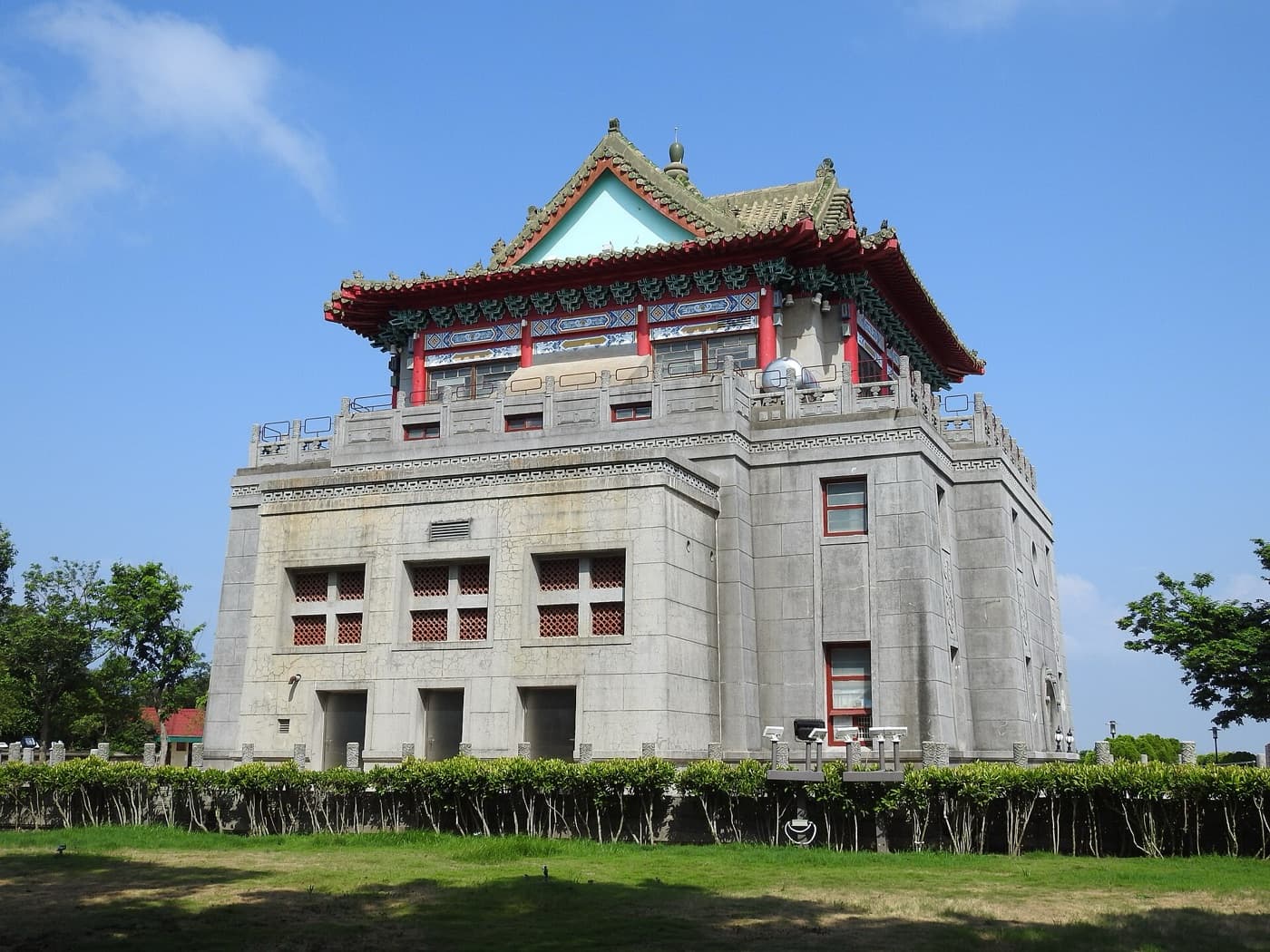
Juguang Tower
Juguang Tower is the first stop for most visitors to Kinmen, and it became internationally famous after appearing on a postage stamp. The tower now houses multimedia displays introducing Kinmen's current situation and its development achievements. Nearby, a telephone booth designed to spell out "Kinmen" has also become a popular spot for visitors to take photos.
1–2 hours · Free
Getting there & around
Air and sea travel are the main ways to enter and leave the Kinmen–Matsu area.
tip: Kinmen, Matsu and Penghu are currently open to individual tourists from 20 cities in 4 provinces: Fujian, Jiangxi, Zhejiang and Guangdong. Travel to Kinmen, Matsu or Penghu generally departs from Fuzhou, Xiamen or Quanzhou.
tip: 1. Transport: To travel to Matsu, depart from Mawei Port in Fuzhou. You can have a travel agency buy round-trip ferry tickets for you, or purchase them yourself at the port ticket counters.
2. Food: When locals in Matsu brew their own liquor, they often end up with lees, which they have turned into delicacies such as wine-lees eel, wine-lees chicken and red-lees handmade egg rolls.
Source: China Self-Guided Travel 2025 (《中国自助游》, Tianjin Science & Technology Press, Aug 2024), pp. 2731–2743. Translated from the Chinese edition; names and prices follow the guidebook. · Plain text version