Changsha travel guide
长沙
Nurtured by the Three Xiang and Four Rivers, Hunan's women are naturally captivating. Beneath the gentle appearance of the Xiangmeizi (Hunan girls) often lies a steadfast character,…
15 places · In the guidebook: pages 1929–1949

Changsha, Hunan Province · AI illustration for China Trip
Quick itinerary
Changsha in 3 days
- Day 1
- Day 2
- Hunan Museum→
- Changsha Ocean World and Window of the World
- Day 3
- Huaming Building→
- Shaoshan
The feel of the place
- Xiangmeizi
- Nurtured by the Three Xiang and Four Rivers, Hunan's women are naturally captivating. Beneath the gentle appearance of the Xiangmeizi (Hunan girls) often lies a steadfast character, and the phrase "as firm as steel and as gentle as water" describes them perfectly. The term is more than a compliment on Hunan beauty; it also honours the achievements of Hunan women, from Xiang Jingyu, Yang Kaihui and Cai Chang, who helped save the nation in its hour of peril and shed blood for the revolution, to Ding Ling, Qiong Yao and Can Xue, who have shone brightly in literature.
- Spice
- As the saying goes, "Sichuanese are not afraid of chilli, Guizhou people are not afraid of it at all, but Hunanese are afraid of food that isn't spicy." This sums up just how passionately Hunanese love chillies, even more than their fellow chilli lovers in Sichuan and Guizhou. The fiery sensation on the tongue, combined with Changsha's distinctive street food culture, often means you'll see stylish young people on the street munching on spicy snacks with complete abandon, oblivious to everyone around them.
- Entertainment Frontier
- It must be said that Changsha's fame owes much to the promotion by Hunan Television. Its variety shows once set the trend across the country, and even today, mention Changsha and many people will immediately think of entertainment icons such as "Super Girl" and "Happy Boy".
Huanghua International Airport ticket office
address: Inside the airport terminal
phone: 0731-96777
Free Wi-Fi
In Changsha, free Wi-Fi is available at Huanghua International Airport, Changsha South Station on the Wuhan–Guangzhou High-Speed Railway, the VIP lounge at the railway station, the Yuelu Mountain sightseeing corridor, Changsha Central Hospital, Changsha Third Hospital and the Changsha Hongxing Convention and Exhibition Center.
Touring All of Hunan
Since the opening of the Wuhan–Guangzhou High-Speed Railway, you can easily reach Zhuzhou, Xiangtan, Yueyang, Hengyang and Chenzhou from Changsha South by high-speed train.
Colourful Porcelain
In museums in Britain, Japan, Korea and many other countries, you can see Chinese colourful porcelain bearing the inscriptions "Number One Under Heaven" and "Famous Under Heaven". All of it came from the Changsha kilns of the Tang dynasty.
Preparation and Advice
Language
The Changsha dialect is not easy to understand, especially during arguments or when bus conductors call out the stops, and it can leave you feeling completely lost. However, locals can all understand Mandarin.
Climate and Best Time to Visit
Changsha is one of China's "Four Great Furnaces" cities. Midsummer is hot and humid, which makes it unsuitable for sightseeing; the rest of the year is good for touring.
Spring begins after mid-February. The weather is changeable, and there is often the chilly wind locals call "tougufeng" (bone-piercing wind), which seems to blow straight into your bones, so dress warmly to avoid catching a cold. In late May, summer arrives. The city becomes a furnace, but even during the sweltering sanfu period (the hottest days of summer), you will need a blanket to sleep in the mountains. Autumn begins in mid-to-late September, with temperatures typically around 15–20°C. The air is crisp and clear, making it the perfect time to see the red foliage on Orange Isle. Winter begins in late November, with an average temperature of around 5°C, and snow falls at times.
Things to see
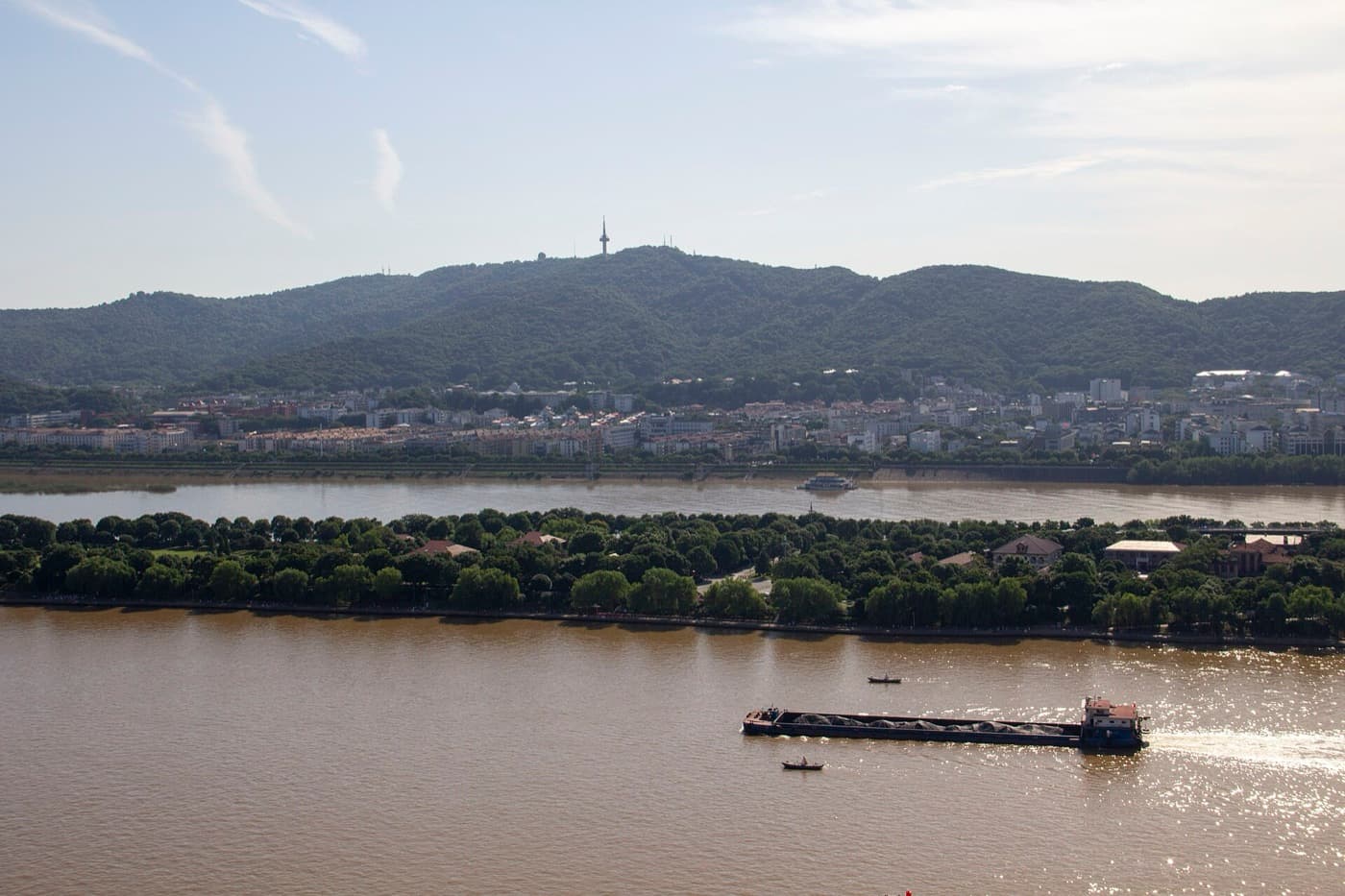
Yuelu Mountain Scenic Area
0.5–1 day · Free entry to the mountain; Niaoyu Forest ¥30; cable car up ¥30, down ¥25, return ¥50. The cable car station is at the North Gate at the foot of the mountain.
At the top of the mountain stands the ancient Yuelu Academy, and at its foot lie Hunan University and Hunan Normal University, both open campuses with no gates or walls. In terms of grandeur, Yuelu Mountain cannot compare with other famous mountains, but it has its own quiet, ancient scholarly charm. Beside the Xiang River, it offers a tranquil setting and many cultural relics and historic sites, including Yuelu Academy, Aiwan Pavilion, Baihe Spring, Feilai Rock, Lushan Temple and Niaoyu Forest, making it a great place to explore history and seek out quiet corners. The Yuelu Mountain slide is also worth trying.
Taiping Street
1–2 hours; 1–2 hours · ¥10; Weishan Rafting ¥198
Taiping Street is one of only four remaining granite-paved streets in Changsha. This 375-metre-long lane still preserves the look of a Changsha merchant street from over 200 years ago. Many of the old mansions still have their original stone-framed doors, grey brick walls, and traditional courtyard layouts. Today, many new shops have opened along the street, and they have a lot of character.
Hunan Museum
Coming to Changsha and not visiting this, Hunan's largest museum, is a missed opportunity to see the brilliant civilization that flourished here over 2,000 years ago. Hunan Provincial Museum sits on the west side of Martyrs Park and displays many precious relics unearthed from the Mawangdui Han Tombs.
2–5 hours · Free (reservation required)
Changsha Window of the World and Underwater World
Anyone who often watches Hunan Television will be familiar with Window of the World, where many programmes have been filmed. The park brings together historical sites, scenic landmarks, architecture, dwellings, works of art, and the customs and song-and-dance performances of countries around the world, and it holds various themed events regularly. Changsha Underwater World is one of the most fashionable marine theme parks in Central and South China, with the greatest variety of species, rich programmes and a strong focus on visitor participation. Highlights include the “Man and Shark Dance” and the “Mermaid” performance.
Window of the World 0.5–1 day; Underwater World 3–4 hours · Window of the World ¥200; Underwater World ¥150
Orange Isle Scenic Area
Mao Zedong wrote the poem “Qinyuan Chun · Changsha”, which includes the lines “Standing alone in the cold autumn, the Xiang River flows north past Orange Isle. I see the mountains dyed red with frost and the layered forests stained with color.” The Orange Isle mentioned here is a roughly 5-kilometre-long island in the middle of the Xiang River within Changsha's urban area, and it is one of the city's most important scenic spots. Orange Isle has long enjoyed a great reputation. The gentle current of the Xiang River flows past it, and the island's scenery changes with each season.
3–5 hours · Free
Tianxin Pavilion
Tianxin Pavilion is the last surviving landmark of ancient Changsha. The pavilion is elegant and distinctive in design. Climbing up to look out over the city and imagining its past is a enjoyable experience. Tianxin Pavilion is located in the southeast corner of central Changsha, within the ancient city wall where Chengnan Road meets Tianxin Road. Today it is a park, and many people come every day to exercise, read, sightsee, and drink tea. It is a great place to experience the everyday life of Changsha locals.
1–2 hours · Free entry to the grounds; ¥30 to enter the city tower
Dufu River Pavilion
Dufu River Pavilion is a pavilion built in an ancient style to commemorate Du Fu, the “Sage of Poetry”. Inside, there is an exhibition of poems by Du Fu written out by famous calligraphers. It is recommended to visit in the summer evening. Climb up to the top floor to enjoy the fireworks display over Orange Isle.
¥11
Mawangdui Han Tombs Site
In 1972 and 1973, the Mawangdui Han Tombs yielded, one after another, a Western Han female body, silk gauze chanyi, and a large number of lacquerware, pottery, weapons, musical instruments, wooden figurines, silk textiles, painted silk banners and silk manuscripts. The discovery of these exquisite artifacts caused a worldwide sensation. Today, they are preserved at Hunan Provincial Museum, and travellers interested in cultural relics can go and see them there.
0.5–1 hour · Free (reservation required)
Wuyi Square
May 1st Square is located in a bustling part of central Changsha. It is a massive shopping district and a hub for eating, drinking, and having fun. Whichever metro exit you come out of, there is something to explore. It is also lively at night.
0.5 day
Getting there & around
Getting In and Out
As a provincial capital, Changsha is very well connected. It has flights to 41 major and mid-sized cities across China. It also sits on the Beijing–Guangzhou railway line, so trains travelling north and south pass through here. Changsha's long-distance bus services are also very busy, making it one of the main transport hubs linking East and South China. It also has passenger links to some cities in the province and in East China.
Changsha Huanghua Airport has direct flights to more than 40 major and mid-sized cities in China and abroad, including Beijing, Shanghai, Guangzhou, Shenzhen, Hong Kong, Bangkok, Seoul and Tokyo.
3. Rafting
Maoyan River rafting: manpowered rubber raft ¥114 per person, 3–4 hours to the finish; motorised rubber raft ¥124 per person, about 2 hours to the finish.
Railway
Changsha is an important transport hub in Central China, with several railway lines converging here. These include the Beijing–Guangzhou Railway running north to south, the Shanghai–Kunming Railway running east to west, the Shimen–Changsha Railway linking Changsha with Shimen in Changde, and the Changsha–Zhuzhou–Xiangtan Intercity Railway. At present, Changsha's main passenger stations are Changsha Railway Station and Changsha South Railway Station.
Roads
Three national highways, 14 provincial highways and 106 county roads form a connected network. The three national highways are National Highways 106, 107 and 319. Expressways include the Beijing–Hong Kong–Macau Expressway and the Shanghai–Kunming Expressway. Changsha has several large long-distance bus stations: South, East and West.
Getting Around the City
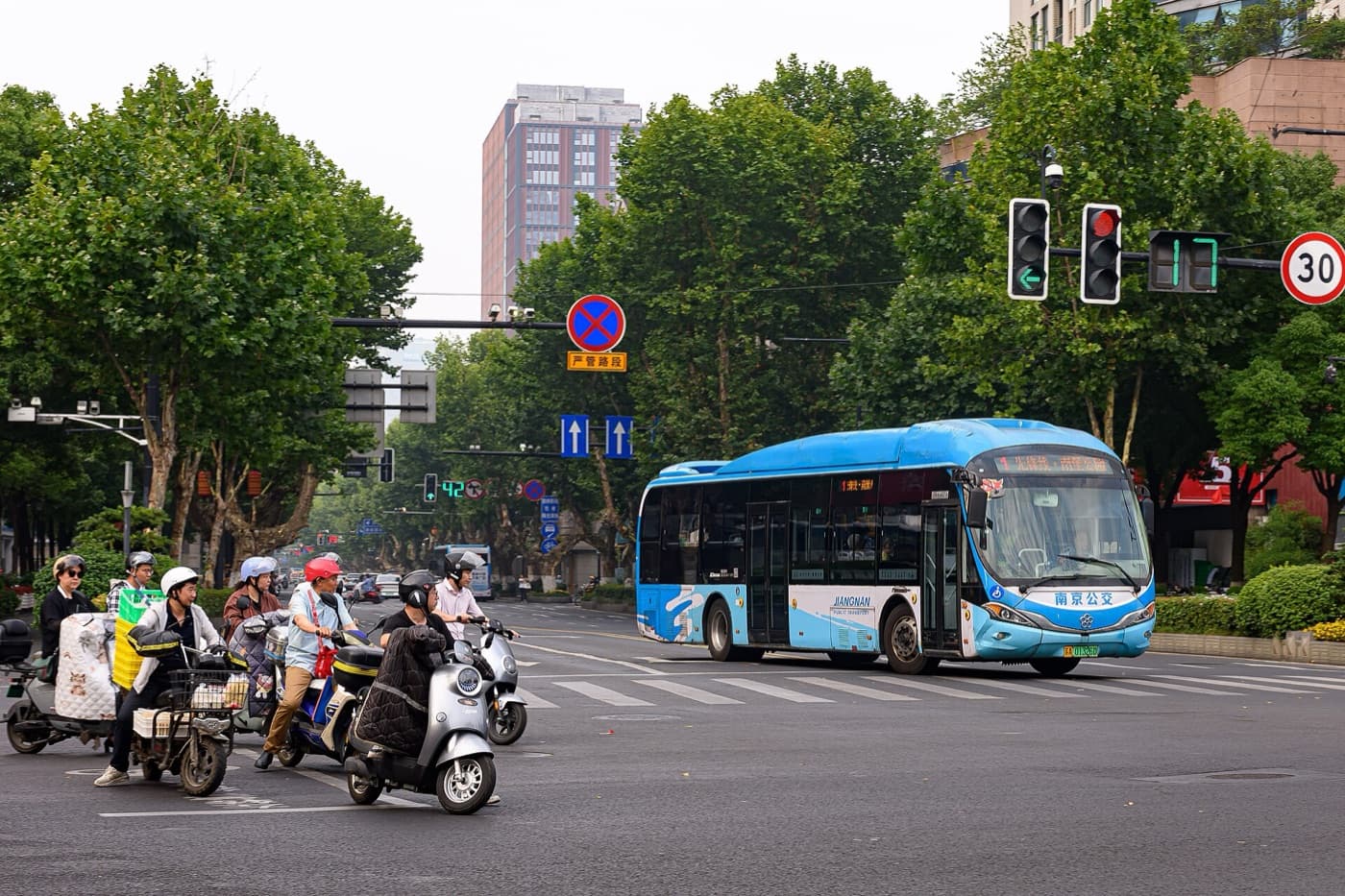
Changsha operates many bus routes, sightseeing shuttle lines and more than a thousand minibuses within the city. Around 6,000 taxis travel along the city's roads, and they can be hailed on the street, which is very convenient. Changsha has opened the Maglev Express and several metro lines.
Taxis
Daytime flag fall: ¥8 for the first 2 km; ¥2 for each additional kilometre beyond 2 km.
Metro
In 2014, Changsha's first metro line, Line 2 Phase 1, began trial operations. Today, eight lines are in service: Lines 1 through 6, the West Loop Line and the Maglev Line. The network covers the entire urban core of Changsha.
Airport ticket office
Airport ticket office- Phone:
- 0744-8238465
Flight inquiries
Airport ticket office- Phone:
- 0744-2233666
- 1. Avoid impulse buying: Don't be tempted by anything that looks like a rare treasure, a precious medicinal herb, or a "human-shaped" he shou wu (fleece-flower root). 2. Bargain when shopping: Look carefully at an item before haggling, agree on the price before you pay, and always keep the receipt as proof. 3. Avoid unlicensed private cars: Taxis and public buses are the best ways to get around. Private cars may look cheap, but they often end up costing more in the end. 4. Self-drive cars cannot enter scenic areas: Vehicles are not allowed inside the scenic area, so you must transfer to the park's eco-shuttle. Self-drive cars are generally parked outside the Zhangjiajie National Forest Park ticket gate or the Wulingyuan ticket gate. 5. Consider hiring a guide: If you're worried that Zhangjiajie is too large and you won't know how to navigate it, you can hire a reputable local guide. Once you arrive, plenty of people will offer their services. Don't agree right away; research them carefully online first.
- 1. Sedan chair Sedan chairs are a unique means of transport in mountainous areas. On flat ground they cost ¥100–200; uphill they cost ¥200–300, though you can bargain. 2. Sightseeing vehicles Eco-friendly shuttle cars to Tianzi Mountain and Yangjiajie cost ¥15 per person. The Ten-Li Gallery sightseeing mini-train costs ¥30 per person one way or ¥40 per person round trip.
Changsha Railway Station
Changsha Railway Station- Address:
- At the eastern start of Wuyi Avenue, the main arterial road through the city centre
Changsha South Railway Station
Changsha South Railway Station- Address:
- Litou Township, Yuhua District, Changsha
Changsha South Bus Station
Road- Address:
- 811 Zhongyi 1st Road
Changsha West Bus Station
Road- Address:
- 53 Fenglin 3rd Road, Yuelu District
Changsha East Bus Station
Road- Address:
- 1021 Yuanda 1st Road
Changsha Bus Passenger Transport Development Company Ticket Centre
Road- Address:
- On the right side, opposite the railway station
Eat & drink
Hunan cuisine is one of China's Eight Great Cuisines. Its main features are fragrant, fresh, spicy and sour flavours, and it strives to preserve the natural taste of its ingredients. Although Hunan food is equally bold in flavour to Sichuan food, it differs in that it avoids sugar and makes use of fresh chopped chillies and fermented black beans.
Dong'an chicken, 'one duck, four ways', steamed cured meats, and huagu mushrooms with egg white are all traditional Hunan dishes. In addition, because Mao Zedong loved red-braised pork, Changsha's 'Mao-style red-braised pork' is also very famous. These days it is fashionable to eat “yellow duck calls” and “white duck calls” on the pump boats along the Xiang River.
Local Snacks
Hunan's snacks are equally famous, with Changsha at the centre of them. The most renowned is deep-fried stinky tofu: it smells pungent but tastes delicious, and it can be found almost everywhere on Changsha's streets and alleys. The most authentic version is from Granny Wu's (五娭毑) stall around Nanmen Kou. Other tasty snacks include salt-and-pepper sanzi (fried dough twists), sisters' tuanzi (glutinous rice dumplings), glutinous rice zongzi, pearl shaomai, crinkle-skin wonton, Yang Yuxing noodles and dumplings, De Yuan baozi, and He Ji rice noodles. Locals say, “Yang Yuxing's noodles, Xu Changxing's duck and De Yuan's baozi are truly delicious.” In fact, countless delicacies are still hidden in Changsha's streets and alleys, waiting for food lovers to discover them. For example, the “flavoured prawns” and “flavoured crabs” around Nanmen Kou are superb and not to be missed.
Huogongdian (May 1st Branch)
Recommended EateriesWhen in Changsha, you must visit Huogongdian. Full meals and snacks are all available under one roof, but prices are on the high side, and napkins and tea are charged for.
- Address:
- 93 Wuyi East Road
- Phone:
- 0731-84120580
Yang Yuxing (Changling Branch)
Recommended EateriesA century-old time-honoured brand specialising in noodles, which are chewy and springy.
- Address:
- 289-6 Shaoshan North Road
- Phone:
- 13142181488
Where to stay
Accommodation in Changsha is very convenient, from luxury star-rated hotels to basic guesthouses, so travellers can choose a place that suits their budget. Universities usually have their own guesthouses, which are reasonably equipped and reasonably priced, making them a good option for independent travellers.
Changsha Swan Journey International Youth Hostel
Recommended AccommodationLocated in Changsha's commercial centre at Wuyi Square, just downstairs from Pozi Street, Taiping Street, Jiefang West Road and the Xiang River scenic belt. Shopping, snacks, leisure and fitness are all close at hand.
- Phone:
- 18673185600
Shopping
Xiang embroidery, Xiang tea and Xiang porcelain are Hunan's three major specialities.
Xiang embroidery is one of China's Four Great Embroideries, renowned for its beautiful composition and exquisite craftsmanship. Xiang tea is known for its mellow flavour and is a famous fine variety both in China and abroad. Xiang porcelain cannot rival Jingdezhen porcelain, but it has its own distinctive character and a far-reaching reputation. Beyond these, Yiyang's songhua preserved eggs, duck-down products, bamboo carvings, Baisha liquor, Liuyang fermented black beans, Xiang-style pastries, Liuyang sweet cakes, bottled chopped chilli sauce in various flavours, and Xiang lotus seeds are all local specialities that make suitable gifts for friends and family.
Nightlife
In the evening, besides wandering around in search of tasty snacks, you might enjoy listening to Hunan local opera. You can also visit the Chinese Southern Ancient Music Palace inside the Changsha Museum to hear ancient bianzhong bell music. The weekend fireworks show on Orange Isle is also worth seeing, and drinking tea in a teahouse is another side of Changsha's nightlife.
Day trips & beyond
Jinggang Ancient Town
Jinggang Ancient Town has a long history and a rich cultural heritage. The houses along the river are all stilt houses, giving it the distinctive character of a Jiangnan water town. The town still preserves many wooden ancient buildings, and structures from the Qing dynasty, such as Hongtai Fang and Yuying Hall, are in excellent condition. The town's folk arts are varied and vibrant, and wooden clogs, paper umbrellas and kites were once hugely popular.
0.5–1 day
Dawei Mountain National Forest Park
Dawei Mountain National Forest Park is known for its beauty. The mountains are dotted with countless peculiar peaks and rocks, flowing springs and waterfalls. Rafting through the canyon is exhilarating and is a must-do activity when visiting Dawei Mountain.
Nature
Peach Blossom Land Scenic Area
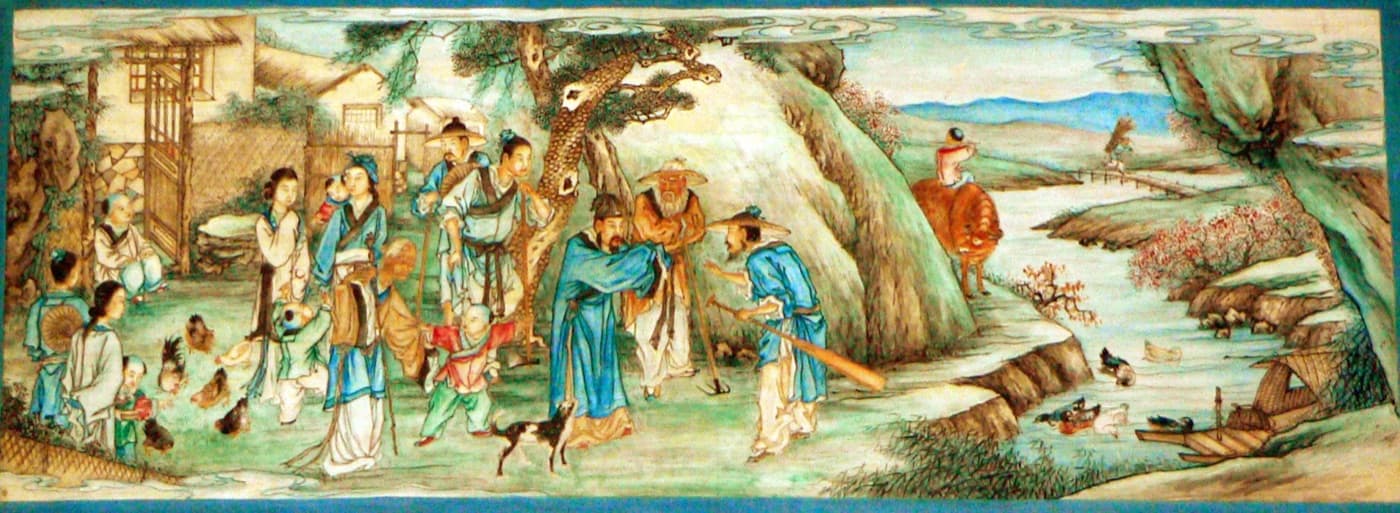
Did the Peach Blossom Spring described by Tao Yuanming really exist? If so, where was it? This cannot be confirmed. Several places in China lay claim to the title, but the one closest to the legend is in Taoyuan County, under the jurisdiction of Changde City. From March 28, the Peach Blossom Festival runs for one month. During that time, the area is a sea of brilliant pink blossoms, a sight that is truly delightful and well worth seeing.
3–4 hours
Tanhe Ancient Town
Tanhe Ancient Town is in Ningxiang City, where the Siyang Fangzun (Four-Ram Square Zun) was unearthed. As you enter the scenic area, the first thing you see is the towering statue of the Siyang Fangzun goddess. The ancient town has solemn palaces and temples as well as a lively old market street, with bronze chime bells, ancient music, and the poetry and rituals of the Zhou dynasty everywhere, so it feels like walking the streets of the Western Zhou era. When you visit, be sure to catch the show *Tanhe Timeless Legend*. Its slogan, "Give me a day, and I'll give you a millennium!", is no exaggeration.
3–5 hours
Shaoshan
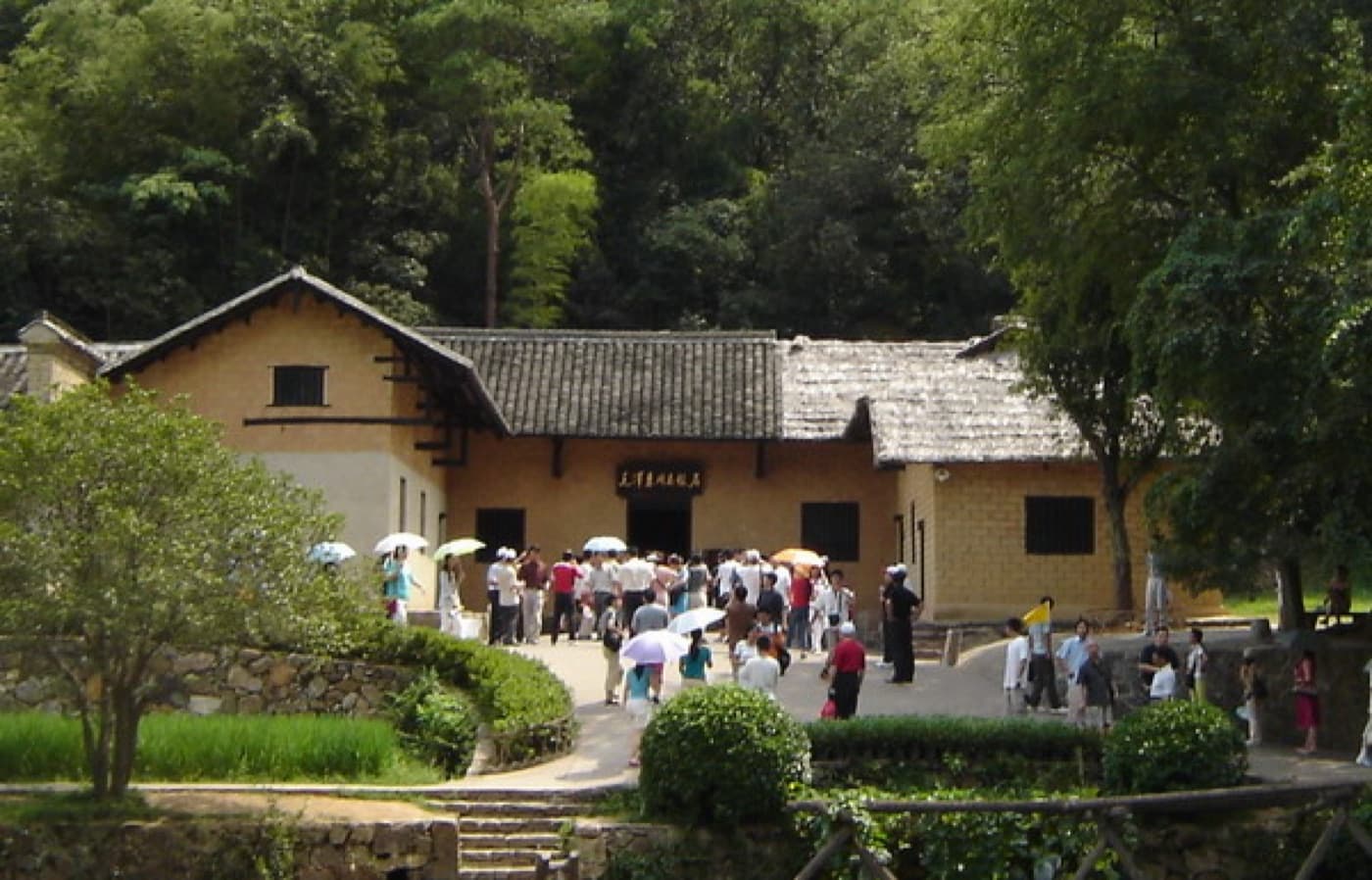
Shaoshan is located within Xiangtan City. Its scenic countryside is home to many sites associated with Mao Zedong. Mao Zedong's former residence is in Shangwuchang, Shaoshan Chong, and the Mao Zedong Memorial Hall is nearby. Other major sites in the area include the Mao Zedong Bronze Statue, the Mao Zedong Poetry Stele Forest, the Mao Zedong Relics Museum, the Shaoshan Martyrs' Cemetery, and Dishui Cave, a rural villa where Mao stayed during his return visit in 1966.
0.5–1 day
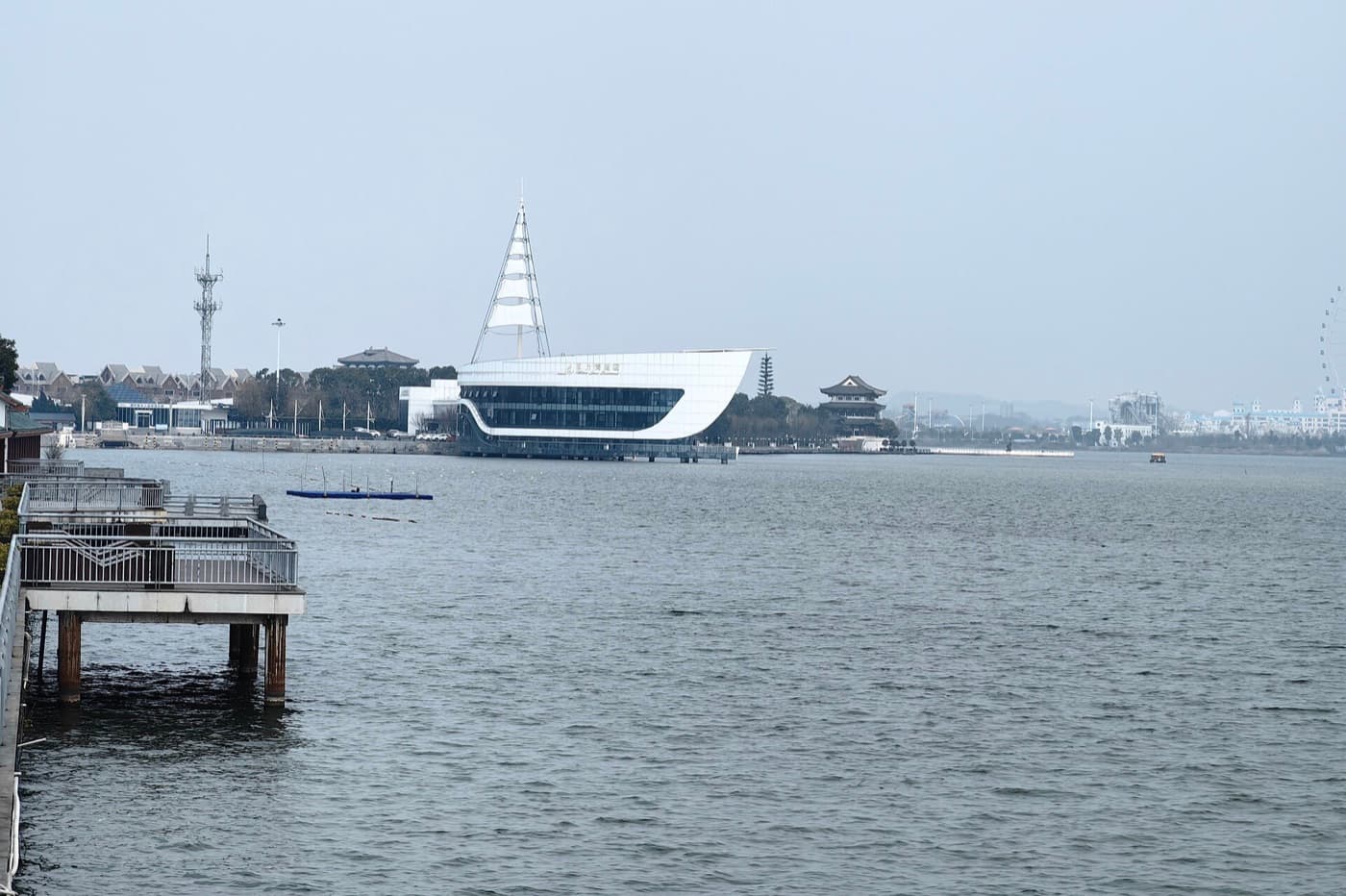
Liuye Lake Tourist Resort
Liuye Lake is one of the largest urban lakes in China. It is best known for its wide range of water recreation activities. Next to Liuye Lake are Sun Mountain and Moon Mountain, the setting of the legend of Liu Hai Cutting Firewood.
1–2 hours
Source: China Self-Guided Travel 2025 (《中国自助游》, Tianjin Science & Technology Press, Aug 2024), pp. 1929–1949. Translated from the Chinese edition; names and prices follow the guidebook. · Plain text version