Mudanjiang travel guide
牡丹江
Mudanjiang travel guide with a day by day itinerary, 7 places with tickets and opening hours, where to eat and stay, and how to get there.
7 places · In the guidebook: pages 2182–2190

Mudanjiang, Heilongjiang Province · AI illustration for China Trip
Quick itinerary
Mudanjiang in 2 days
- Day 1
- Day 2
- Xuexiang (Snow Village; trips can be arranged from late November to April)
Things to see
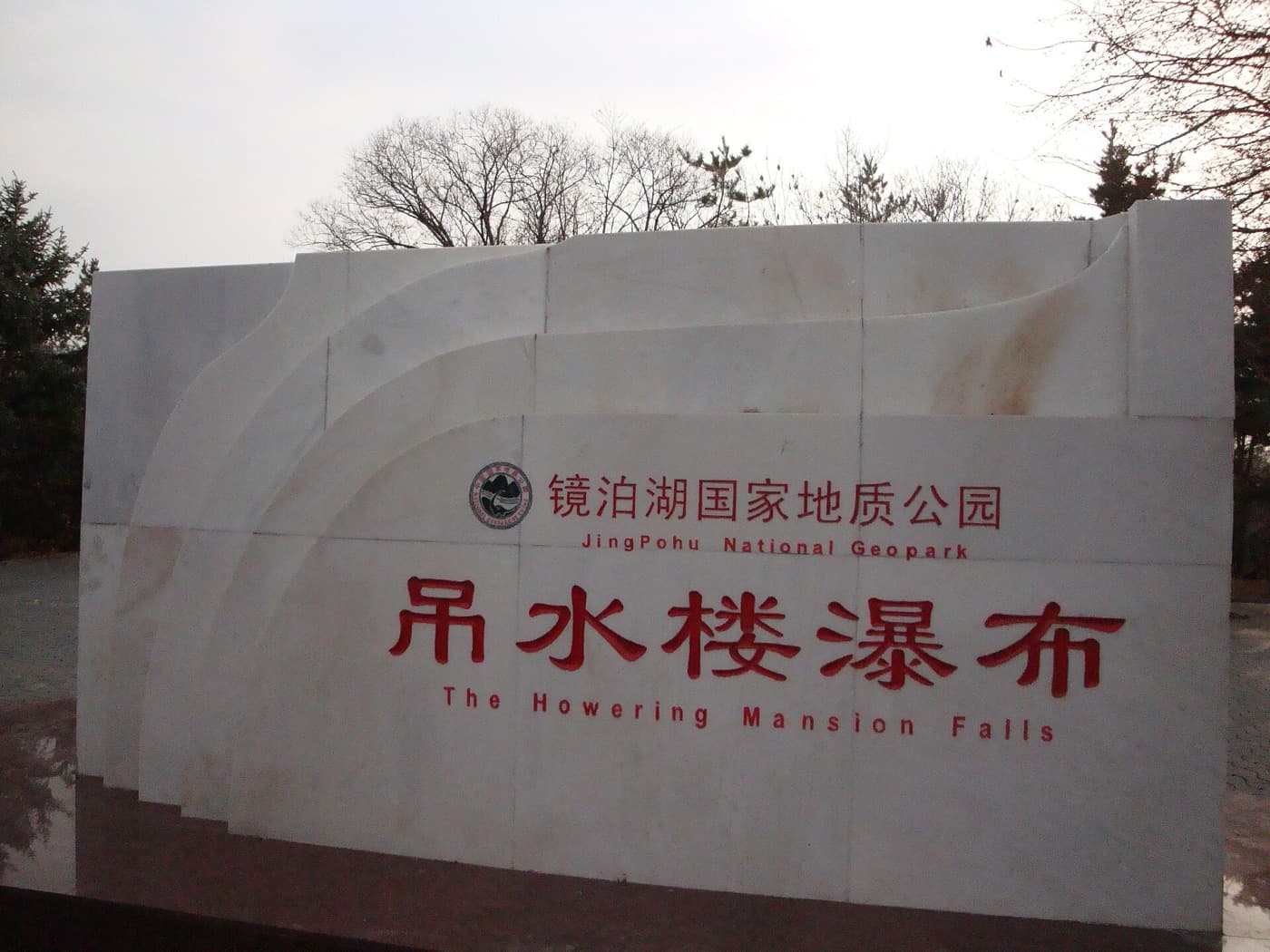
Diaoshuilou Waterfall
2 hours · Included in the Jingpo Lake ticket
The point where Jingpo Lake flows out into the Mudan River, and the largest waterfall in Heilongjiang Province. The enormous force of the falling water has carved a pool at its base nearly 70 metres across and over 60 metres deep. In the depths of winter, the waterfall freezes into a curtain of ice hanging from the cliff, a truly spectacular sight.
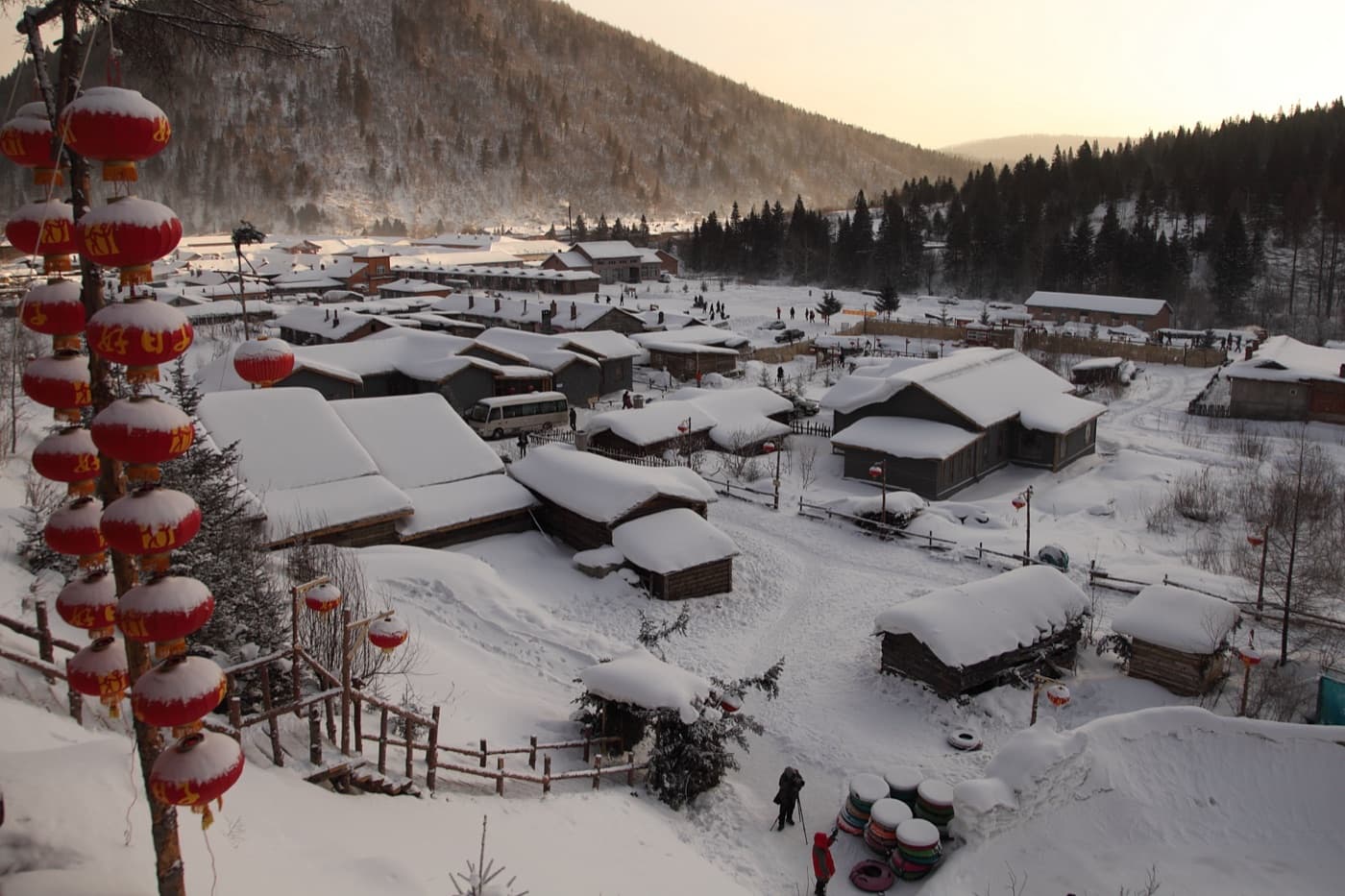
China Snow Town · Shuangfeng Forest Farm
2–3 days · ¥120; combined tickets ¥320–¥480 per person per day (including skiing, sightseeing, accommodation and meals). Season runs from late November to early December until April of the following year.
Perhaps this is the pure and beautiful world you have long been searching for. It is also known by an even more alluring name, Snow Town (Xuexiang), famous for its fairy-tale snowscapes. Snow begins to fall here in October and lasts until April of the following year. Beneath the low log cabins, every household hangs bright red lanterns, and the roofs are crowned with “snow mushrooms” more than a metre tall. Horse-drawn sleighs across the snow add to the storybook charm. Don't miss the night views: against the white snow, the red lanterns glow brilliantly, warming the chill of the place with a sense of home. This is a paradise for photographers, with wooden houses, lanterns, fences and perfect snow making it impossible not to take a good picture.
Jingpo Lake UNESCO Global Geopark
Another wonder left behind by volcanic eruptions, Jingpo Lake is one of China's largest volcanic dammed lakes. Among its eight major scenic spots, Diaoshuilou Waterfall is the most famous; even in winter, when the water runs low, the lava landscape carved by the falls is a great wonder. Visitors who have been to the Temple of Heaven in Beijing can experience its Echo Wall again here: the Heigu Wall encircling the pool is a natural echo wall. Give a low call twice. Does it rival the Echo Wall at the Temple of Heaven?
1–2 days · Off-season ¥80, peak season ¥100; Wild Grand Canyon ¥60; Volcanic Crater ¥55; sightseeing cruise ¥100
Erlanghe Scenic Area
Erlanghe Scenic Area and Snow Town are two destinations that attract great attention from travellers. At Erlanghe, snow falls from mid-October to late April of the following year, a snow season of about seven months, with snow depths of up to around 2 metres. The air here is wonderfully fresh, a natural oxygen bar. The “two rivers,” “eight streams” and “sixteen springs” are crystal clear. It is an ideal destination for artists and photography enthusiasts.
3+ hours
Crater Underground Forest
A volcanic crater forest over 1,000 metres above sea level. There are ten volcanic craters of various sizes. No. 3 is the largest, 200 metres deep and 550 metres in diameter. It contains lush, green trees as well as valuable medicinal herbs and timber, making it a highly scenic attraction with abundant natural resources.
0.5–1 day · ¥50
Datudingzi Mountain
Snow Town is one of the best places to watch the sunrise, and riding a snowmobile up the mountain is thrilling. On winter mornings before dawn, climbing on foot is a real test of stamina, but you can take a scenic-area vehicle partway up and then transfer to a snowmobile. The ride is exciting and saves both time and effort. During peak tourist season, many people come up to watch the sunrise. If you set off late, you may miss it.
1–8 hours · ¥280
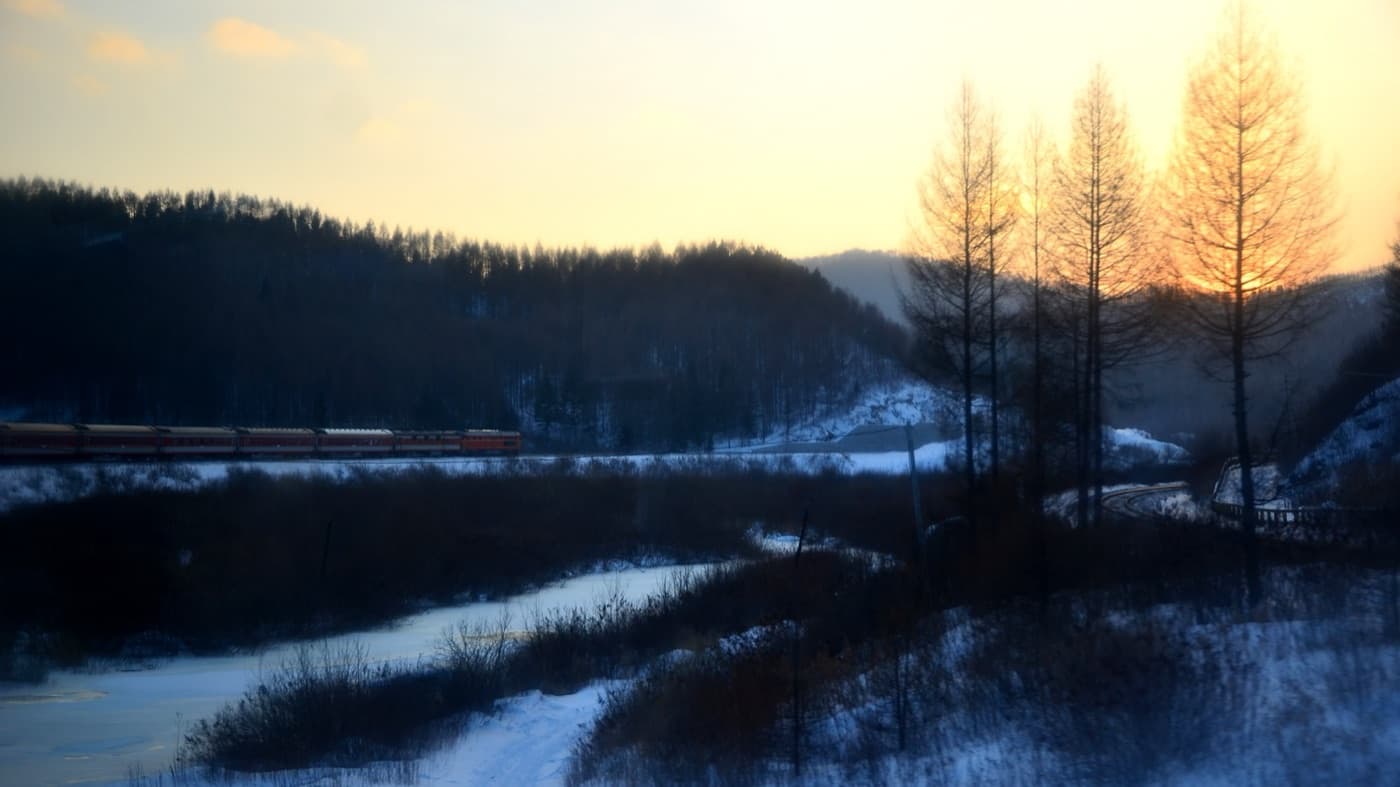
Hengdaohezi Town
The town takes its name from an early north-south road that crossed the river here (“Hengdao” meaning “crossing road”; “Hezi” meaning “river”). Founded in 1897, this ancient town has kept its strong Russian character after more than a century. The China Eastern Railway locomotive depot, the old Russian street, Oil Painting Street, the Church of Saint Mary and Weihu Mountain make it feel as though you have stepped back into the early twentieth century.
0.5–1 day · Free
Getting there & around
By Air
Mudanjiang now has flights to Beijing, Guangzhou, Shanghai, Qingdao and other cities.
By Train
Direct trains run between Mudanjiang and Beijing, Tumen, Dalian and Jinan.
By Road
Coaches from Mudanjiang Passenger Station head to Harbin, Daqing, Jiamusi, Jixi, Qitaihe and other destinations.
CAAC Ticket Office
CAAC Ticket Office- Address:
- 41 East Second Lane, Aimin Street, Civil Aviation Building
- Phone:
- 0453-6914444
Mudanjiang Passenger Station
Mudanjiang Passenger Station- Phone:
- 0453-6986899
Eat & drink
Another appealing aspect of Mudanjiang is its rich food culture. Hot pot with lamb slices, barbecue, fish feasts, pancakes, sinew pancakes and cold noodles all have their own character. The most famous are Northeastern 'pork stew' (sha zhu cai) and the full Korean-style dog-meat banquet. After enjoying these delicacies, a cool glass of Jingpo Lake Beer is a true pleasure.
Jingpo Lake is home to dozens of prized fish species, including big white fish and Jingpo silver crucian carp, so be sure to try the fresh lake fish. You can get them at the restaurant in Jingpo Mountain Villa on the lakeshore.
Where to stay
There are many hotels along the shores of Jingpo Lake. In the forest along the lake, you'll also find small wooden lodges for overnight stays.
Mudanjiang Milan Boutique Hotel
Recommended AccommodationLocated in the city centre of Mudanjiang, known as 'China's Snow City', right next to the Korean Ethnic Street.
- Address:
- 189 West Peony Street, Mudanjiang
- Phone:
- 0453-8111110
Source: China Self-Guided Travel 2025 (《中国自助游》, Tianjin Science & Technology Press, Aug 2024), pp. 2182–2190. Translated from the Chinese edition; names and prices follow the guidebook. · Plain text version